


How Can Outdoor Lighting Transform Your Landscape?
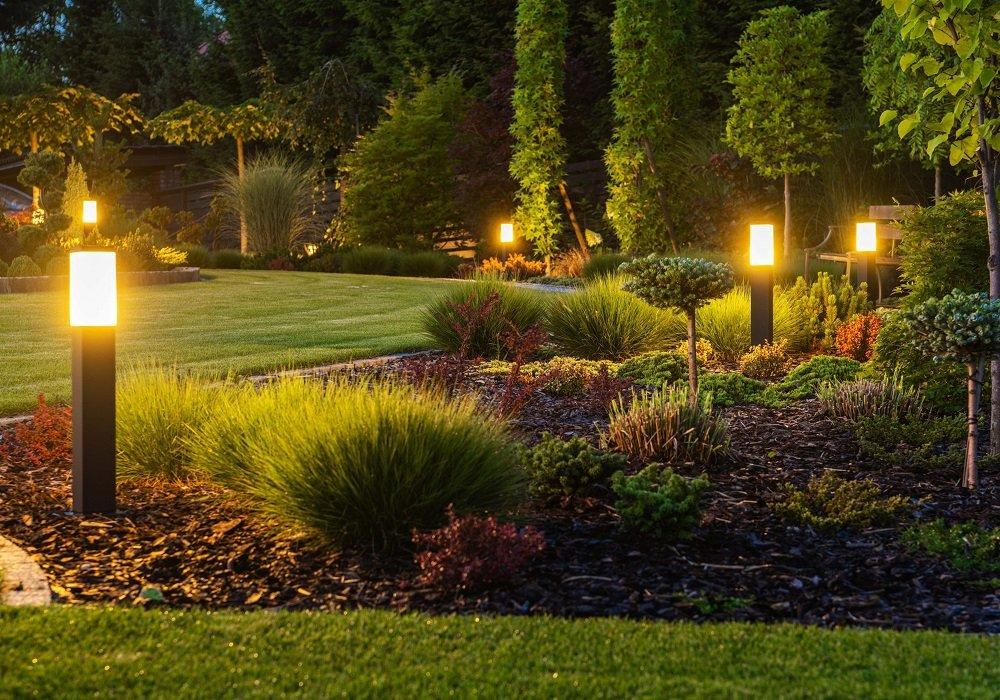
A beautifully designed landscape deserves to be seen at all hours of the day. Without outdoor lighting, even the most carefully maintained yards and gardens disappear into darkness once the sun goes down. Outdoor lighting bridges this gap by bringing landscapes to life after dark. The right lighting system transforms an ordinary outdoor space into something truly extraordinary.
Outdoor lighting does far more than simply provide visibility. It changes the way a property feels, functions, and appears to visitors and passersby. From dramatic uplighting on mature trees to subtle pathway illumination along garden edges, every lighting choice contributes to the overall character of a space. Understanding how outdoor lighting transforms landscapes helps homeowners make inspired and informed choices.
Creating Visual Drama Through Uplighting
Uplighting is one of the most impactful techniques in outdoor lighting design. It positions fixtures at ground level and directs beams upward onto a subject. When applied to large trees, the effect is dramatic and immediately striking. The canopy glows with warm light while the surrounding darkness creates strong visual contrast. This technique turns ordinary trees into stunning focal points visible from the street and throughout the yard.
Architectural features also respond beautifully to uplighting. Stone columns, brick facades, and wooden pergolas take on rich texture and depth when lit from below. The interplay of light and shadow across textured surfaces creates visual complexity that is impossible to achieve with flat, overhead lighting. Uplighting reveals the details of a property’s design in ways that daytime observation sometimes misses entirely.
Choosing the Right Beam Angle for Uplighting
Beam angle affects the quality of the uplight effect significantly. Narrow spot beams focus light tightly on a single subject. They are ideal for highlighting specific trees, columns, or accent plants. Wide flood beams spread light across broader areas. They are better suited for illuminating large walls, extended garden beds, or multi-trunk trees with wide canopies. Matching beam angle to the size and character of each subject creates precise, professional-looking results.
Using Downlighting to Mimic Natural Moonlight
Downlighting is the complementary opposite of uplighting. Instead of directing beams upward from below, it positions fixtures overhead and directs light downward. When installed at height in trees or on elevated structures, downlighting creates a natural effect that mimics soft moonlight filtered through branches.
This technique creates gentle, dappled light patterns on surfaces below. It is ideal for illuminating entertainment areas, garden paths, and lawn spaces with a soft, naturalistic quality. Unlike harsh overhead flood lights, downlighting from tree fixtures feels organic and flattering to both people and plants. It creates the impression that the lighting was always meant to be there.
Combining uplighting and downlighting on the same trees creates layered visual complexity. From the ground, uplighting reveals trunk texture and canopy structure. From the canopy, downlighting casts soft, shifting light across the ground below. The interplay between these two techniques elevates a landscape from simply illuminated to genuinely beautiful.
Highlighting Garden Beds and Planting Areas
Gardens represent significant investment in time, money, and creative effort. They deserve to be showcased after dark as much as during daylight hours. Well-placed accent lighting along garden borders highlights plant shapes, textures, and seasonal color. It draws the eye toward carefully curated planting combinations that might otherwise disappear in darkness.
Low-voltage flood fixtures positioned at the garden perimeter can wash light across entire planting areas. This approach creates a soft, even glow that showcases the overall composition. Individual spotlights placed at specific focal plants add a more dramatic, selective quality. Using both approaches within a single garden area creates visual variety that keeps the eye moving and interested.
Seasonal changes in gardens affect how lighting performs throughout the year. Plants that grow densely in summer may allow less light through than they do in spring. Annual reviews of garden lighting placement allow for adjustments that keep the seasonal look intentional and effective. Flexible fixture mounting systems make these seasonal repositionings easy to accomplish without disrupting the overall installation.
Defining Pathways and Borders With Path Lighting
Path lighting serves dual purposes of safety and aesthetics. Practically, it guides movement safely along walkways and garden borders. Aesthetically, it defines the edges of paths and creates visual rhythm along their length. A well-lit pathway draws the eye forward and invites movement through the space.
Path lights come in many styles from low-profile mushroom caps to taller lantern designs. The style selected should complement both the landscape aesthetic and the architectural character of the home. Traditional homes often suit more ornate lantern-style path lights. Contemporary homes pair better with sleek, minimal fixtures that blend into the landscape.
Spacing path lights evenly creates a consistent, professional result. Irregular spacing creates visual inconsistency that undermines the overall quality of the design. As a general guideline, spacing path lights 6 to 10 feet apart provides adequate illumination without creating an overly busy appearance. Adjusting spacing based on fixture light output ensures the result looks balanced across the entire pathway length.
Illuminating Water Features and Focal Points
Water features are natural focal points in any landscape design. Fountains, ponds, waterfalls, and streams all gain visual power with thoughtful lighting. Submersible LED lights inside ponds and fountain basins create a glowing underwater effect that transforms still water into something magical. Moving water illuminated from beneath creates constantly shifting light patterns that animate the entire surrounding area.
Above-water fixtures directed at cascading water features highlight the movement and texture of falling water. The combination of light and moving water creates a focal point that commands attention from any vantage point in the yard. This visual power makes illuminated water features among the most impactful elements of any landscape lighting design.
Stone sculptures, garden art, and specimen plants are other focal points that benefit from dedicated accent lighting. A single well-placed spotlight can transform an ordinary garden sculpture into a dramatic evening centerpiece. Choosing focal points to highlight and directing lighting resources toward them creates a hierarchy of visual interest throughout the space.
Expanding Usable Outdoor Space After Dark
One of the most practical transformations outdoor lighting creates is the expansion of usable outdoor living space. Patios, decks, and outdoor kitchens that are unusable after dark become fully functional evening environments with proper illumination. This effectively extends the usable square footage of a home into the outdoor areas that surround it.
Task lighting over outdoor cooking areas ensures safe and effective meal preparation after dark. Ambient lighting across seating and dining areas creates comfortable, flattering conditions for socializing. Accent lighting on surrounding plantings and structures provides visual interest that enhances the overall atmosphere. Combining these three lighting layers creates an outdoor room that is as comfortable and inviting as any interior space.
The practical benefits of extended outdoor usability are especially significant during warm months when evenings are pleasant. Families who can comfortably use their outdoor spaces until late in the evening effectively gain additional living space without any construction or remodeling. The value of this added usability is difficult to overstate for households that enjoy outdoor living.
A well-planned landscape lighting installation creates all of these transformative effects through careful design, quality fixtures, and expert execution. Professional installers understand how to balance drama and subtlety, how to layer lighting techniques for maximum visual impact, and how to build systems that are both beautiful and reliably functional. Their expertise ensures that the finished result matches the vision while meeting all practical performance requirements.
Increasing Curb Appeal and Property Value
The transformation outdoor lighting creates is visible not only from within the property. Neighbors, passersby, and potential buyers all perceive a well-lit home differently than a dark one. Properties with thoughtful exterior lighting are consistently perceived as better maintained, more attractive, and more valuable than those without.
Real estate professionals frequently cite exterior lighting as one of the most cost-effective improvements for improving buyer perception and resale value. A home that looks beautiful and welcoming at night stands out significantly in an evening showing or during a twilight drive-through. This visual advantage translates into greater buyer interest and stronger competitive positioning in the market.
The investment in quality outdoor lighting typically delivers returns that exceed the initial cost over the ownership period. Improved property value, reduced utility costs through LED efficiency, and lower maintenance expenses from durable fixtures all contribute to a favorable financial return. Few home improvement investments offer this combination of immediate visual impact and long-term financial benefit.
Adding Year-Round Visual Interest
Outdoor lighting transforms not just a single season but the entire year-round appearance of a property. In summer, it highlights lush, full plantings and the vibrant activity of outdoor living spaces. In fall, lighting on mature trees showcases colorful foliage in dramatic relief against the darkening sky. In winter, illuminated bare tree branches and architectural features create clean, minimalist compositions that have their own distinctive beauty.
Seasonal variation in lighting performance is natural and can be managed with periodic adjustments. Moving or redirecting fixtures seasonally allows the system to showcase whatever the landscape currently offers. This seasonal responsiveness keeps the outdoor lighting feeling fresh and intentional throughout the entire year rather than static and unchanging.
Conclusion
Outdoor lighting transforms landscapes by creating drama, defining spaces, improving safety, extending usability, and enhancing property value simultaneously. The techniques of uplighting, downlighting, path lighting, and accent lighting each contribute distinct qualities to the overall effect. When combined thoughtfully into a comprehensive design, they create an outdoor environment that is genuinely beautiful and functionally superior to any unlighted space. Investing in quality outdoor lighting is one of the most impactful decisions a homeowner can make for both the immediate enjoyment and long-term value of their property.

 English
 Arabic
 French
 Spanish
 Deutsch
 Turkish
 Dutch
 Italiano
 Russian
 Romaian
 Portuguese (Brazil)
 Greek