


How Can Ultrasound Technology Support Bone Healing?
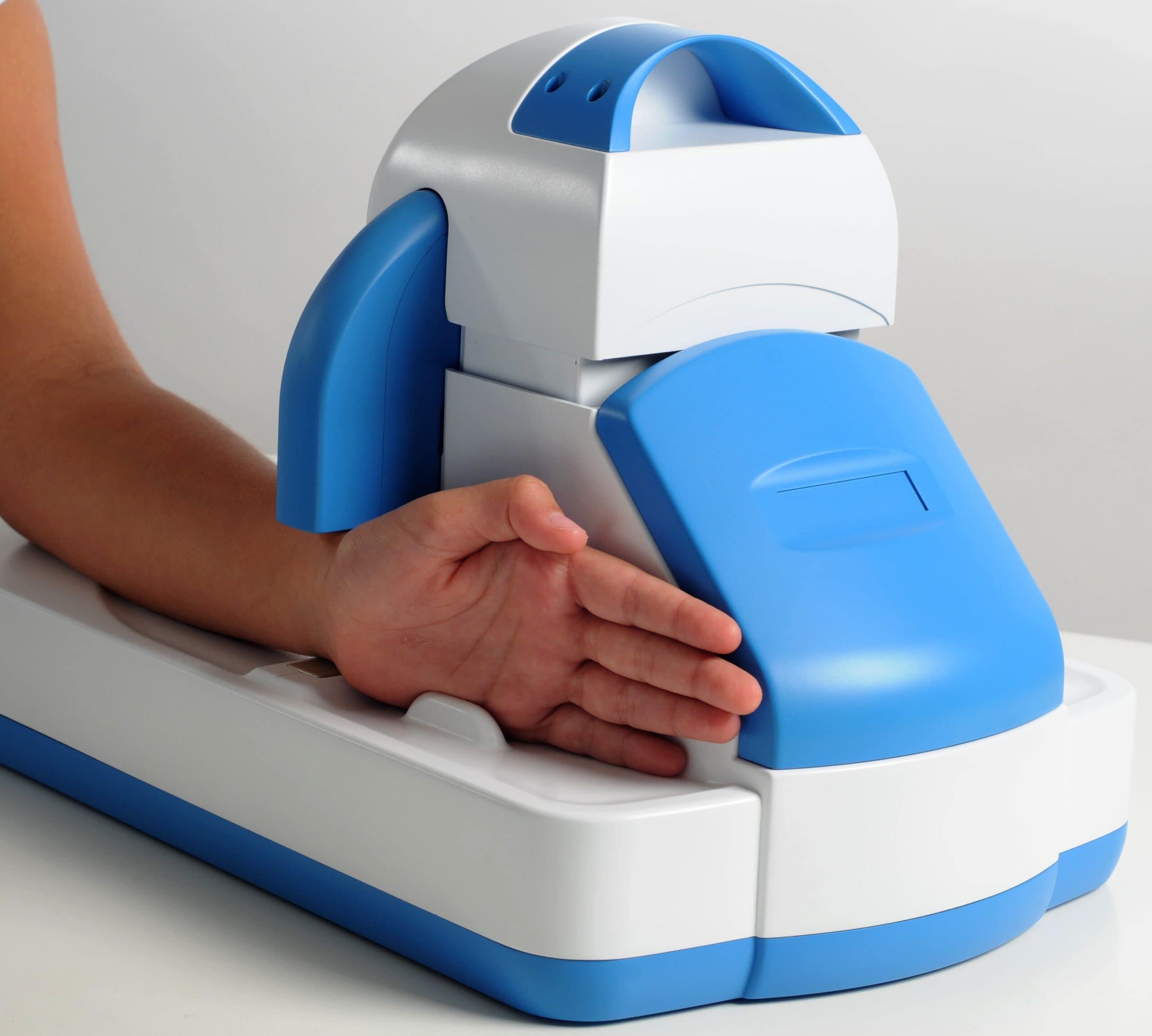
Bone healing has long been considered primarily a passive biological process. Patients were historically told to rest, stay immobilized, and wait for recovery. Modern medicine has dramatically changed this perspective over recent decades. Technology now allows clinicians and patients to actively support cellular repair. One of the most studied and validated technologies is ultrasound therapy. It uses precisely calibrated sound waves to stimulate biological bone healing. This article explains how ultrasound technology works and what benefits it provides for fracture patients.
The Physical Principles Behind Therapeutic Ultrasound
Ultrasound therapy is grounded in well-understood acoustic physics. Sound waves are mechanical pressure waves that travel through matter efficiently. Medical devices generate these waves using piezoelectric crystal transducers. When electrical current flows through these crystals, they vibrate precisely. This vibration produces acoustic waves that travel into surrounding biological tissue. Different tissues absorb and transmit sound waves at different rates. This variation creates the meaningful therapeutic interaction with biological tissue.
Therapeutic ultrasound differs fundamentally from diagnostic imaging ultrasound. Diagnostic ultrasound uses higher intensities optimized for internal tissue visualization. Therapeutic ultrasound uses precisely calibrated low intensities specifically for cell stimulation. Low-intensity pulsed ultrasound, known as LIPUS, is the clinical standard for bone healing. The pulsed delivery method prevents tissue heating while maintaining biological stimulation. Treatment operates at 1.5 megahertz frequency with defined safe intensity parameters. This precise calibration reflects decades of optimized research and clinical refinement.
How Sound Waves Penetrate Tissue to Reach Bone
Sound waves must travel through multiple tissue layers to reach the fracture. They pass through skin, subcutaneous fat, muscle, and periosteum sequentially. Each tissue layer absorbs a portion of the transmitted acoustic energy. Coupling gel eliminates air gaps at the skin surface that block transmission. Without coupling gel, very little energy would reach deeper healing tissue. This gel ensures efficient acoustic energy transfer into the body consistently. Proper device placement over the fracture site maximizes therapeutic energy delivery. Physicians and therapists instruct patients on correct placement for optimal results.
Cellular Mechanisms Activated by Ultrasound Therapy
The therapeutic power of ultrasound lies in its interaction with bone cells. Bone-forming osteoblasts possess mechanoreceptors on their outer membrane surfaces. These specialized receptors evolved to detect mechanical forces applied to bone. Ultrasound waves create tiny mechanical pressure changes around these receptors. The receptors activate when they detect these localized acoustic pressure variations. This activation triggers intracellular signaling cascades with significant biological consequences.
Osteoblast proliferation increases measurably following consistent ultrasound stimulation. These cells produce the collagen matrix that eventually mineralizes into hard bone. Collagen type I synthesis is specifically upregulated by therapeutic acoustic stimulation. Bone morphogenetic proteins increase substantially, recruiting additional repair cells to the zone. Transforming growth factor beta increases, supporting broader connective tissue formation. Each of these cellular events directly and meaningfully contributes to faster fracture repair.
Growth Factor Release and Angiogenesis Promotion
Vascular endothelial growth factor increases significantly with ultrasound stimulation. This critical growth factor drives angiogenesis, the formation of new blood vessels. New blood vessels deliver additional oxygen and nutrients to healing tissue continuously. Without sufficient angiogenesis, callus maturation stalls and nonunion risk rises substantially. Ultrasound therapy promotes this vascular ingrowth even in poorly perfused areas. This angiogenic benefit is particularly valuable for fracture locations with limited blood supply. The scaphoid wrist bone, notorious for poor perfusion, benefits from this mechanism significantly.
Clinical Evidence Supporting Ultrasound for Bone Healing
Decades of clinical research validate ultrasound therapy for fracture healing. The landmark Heckman tibial fracture trial remains one of the most cited studies. Patients receiving LIPUS therapy healed 38 percent faster than placebo group patients. Kristiansen’s randomized trial on Colles distal radius fractures showed similar acceleration. Multiple systematic reviews pooling data from numerous trials confirm consistent benefit. The consistency of evidence across different research groups strengthens clinical confidence. Professional orthopedic organizations increasingly reference this evidence in their published guidelines.
Nonunion cases represent a particularly compelling area of ultrasound research. Union rates exceeding 80 percent have been documented in established nonunion patients. These outcomes occur in fractures that had previously resisted all standard treatments. The therapy reactivates dormant healing cascades that had stalled prematurely. This reactivation capability is one of ultrasound therapy’s most clinically significant contributions.
How the Device Is Used During Fracture Recovery
Using ultrasound therapy is straightforward for most fracture patients at home. The device is applied to the skin directly overlying the fracture site. Coupling gel is applied first to ensure efficient acoustic energy transmission. Treatment sessions last exactly 20 minutes per day as prescribed. The sensation during treatment is typically mild and well-tolerated. Most patients report no discomfort during or after daily application. Session completion indicators confirm each 20-minute treatment is fully delivered.
The prescribed ultrasound bone healing device is compact, portable, and designed specifically for convenient at-home use without clinical visits required. Its lightweight construction allows treatment during sedentary daily activities. Patients may apply it while reading, watching television, or sitting quietly. Built-in digital timers ensure prescribed session duration is consistently met. Compliance tracking features record each completed session for physician review. Modern Bluetooth-enabled versions sync treatment data to smartphone applications automatically. Physicians review this compliance data at scheduled follow-up appointments easily.
Healing Stage Support Through Consistent Ultrasound Application
Ultrasound therapy positively influences every biological stage of fracture healing. During the inflammatory phase, it helps modulate the duration and intensity. Prolonged inflammation impairs the natural transition into productive repair phases. Ultrasound shortens the inflammatory phase by moderating cellular response patterns. This allows faster progression into the more productive soft callus formation stage.
During soft callus formation, chondrocyte activity is central to the process. Chondrocytes produce cartilage matrix that initially bridges the fracture gap effectively. Ultrasound significantly enhances chondrocyte activity and cartilage matrix production capacity. The soft callus matures into harder bone tissue more quickly as a result. During hard callus formation, osteoblast activity is most critical and most impactful. Ultrasound maximizes osteoblast activity, producing denser and more rapidly mineralizing callus. Consistent daily application ensures benefit across every healing stage throughout the process.
Benefits for High-Risk Patient Populations
Certain patient populations gain particularly notable benefit from ultrasound therapy. Elderly patients with osteoporotic bone heal more slowly due to reduced osteoblast reserves. Ultrasound stimulation partially compensates for this naturally reduced cellular activity level. Studies in elderly fracture patients show improved healing rates with consistent therapy use. Diabetic patients, whose healing is impaired through multiple mechanisms, respond positively. Smokers, whose vascular supply is compromised, benefit from enhanced angiogenesis promotion. Athletes seeking faster return to competition find consistent evidence supporting its use.
Combining Ultrasound Therapy With Other Recovery Strategies
Ultrasound therapy achieves its greatest benefit within a comprehensive care framework. It complements appropriate structural immobilization rather than replacing it. Structural stability from casting or surgical fixation remains the essential foundation. Ultrasound addresses the biological enhancement component of healing simultaneously. Physical therapy and ultrasound therapy work synergistically throughout recovery. Enhanced biological healing from stimulation supports earlier and more progressive rehabilitation. Progressive rehabilitation loading in turn stimulates natural bone remodeling processes.
Nutritional optimization further enhances the benefits of ultrasound therapy. Adequate calcium, vitamin D, and protein support the bone matrix production that stimulation activates. Sleep optimization ensures hormonal support for the repair processes that ultrasound enhances. Pain management enables consistent daily participation in both device use and rehabilitation. Each care element reinforces the others in a well-coordinated recovery plan. Physicians who coordinate these multiple elements serve fracture patients most effectively overall.
Safety Considerations and Patient Suitability
Ultrasound therapy has an outstanding long-term clinical safety record globally. No ionizing radiation is involved in any part of the treatment process. No tissue heating occurs at prescribed therapeutic intensity parameters. Decades of post-market surveillance have identified no serious adverse effects. FDA regulatory clearance provides formal validation of both safety and clinical efficacy. Multiple ultrasound devices have received this clearance based on rigorous evidence review. Some contraindications apply, including use over active infections or malignant tumors. Patients with certain implanted electronic devices require individual physician evaluation. Pregnant patients should discuss use with their treating physician before initiating therapy. For the vast majority of fracture patients, ultrasound therapy is safe and appropriate.
Ultrasound technology supports bone healing through well-established biological mechanisms. Its effects on osteoblast activity, growth factors, and angiogenesis are scientifically validated. Clinical evidence consistently demonstrates measurably faster healing across multiple fracture types. Patients using prescribed therapy appropriately experience reduced complication rates. The technology is safe, convenient, and well-tolerated for daily home use. Combining ultrasound therapy with comprehensive fracture care produces the best possible outcomes. Fracture patients and their physicians should discuss this validated technology as part of every recovery plan.

 Arabic
 French
 Spanish
 Portuguese
 Deutsch
 Turkish
 Dutch
 Italiano
 Russian
 Romaian
 Portuguese (Brazil)
 Greek