


What to Expect From a Professional Relaxation Massage
Relaxation Massage as a Genuine Health Intervention
The word relaxation can mislead people into thinking that a relaxation-focused massage is somehow less serious or less clinically valuable than other therapeutic approaches. This perception significantly underestimates what a skilled relaxation massage actually delivers. While the experience is deeply pleasant, its physiological effects are real, measurable, and clinically meaningful.
A professional relaxation massage produces documented changes in cortisol levels, heart rate, blood pressure, muscle tone, and nervous system state. These are objective biological outcomes, not merely subjective feelings of comfort. Understanding what to expect from a professional relaxation massage helps people appreciate both the experience and its genuine health value.
The Environment and Its Therapeutic Role
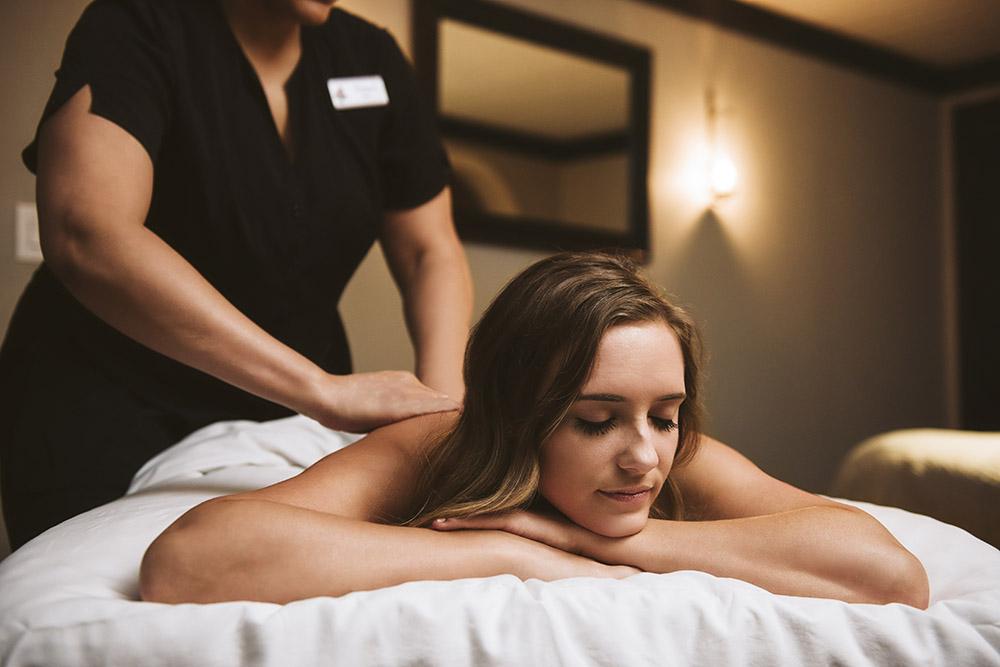
The environment in which a professional relaxation massage is delivered is an integral component of its effectiveness, not simply an aesthetic consideration. Lighting, temperature, sound, and scent all influence how readily the nervous system transitions from its alert, stimulated state into the parasympathetic recovery mode that relaxation massage is designed to activate.
A skilled massage therapist creates this environment deliberately. Lighting is dimmed to reduce visual stimulation that keeps the alerting systems of the brain engaged. Temperature is maintained at a level that is warm enough for comfort without inducing drowsiness from heat. Sound is minimized or replaced with gentle, non-stimulating background music that does not demand attentional engagement.
The treatment surface, draping quality, and the temperature of the massage medium all contribute to the sensory experience of safety and comfort. When every sensory input communicates that the environment is safe and comfortable, the nervous system responds by reducing its vigilance. This neurological response is the foundation upon which the physiological benefits of relaxation massage are built.
How a Professional Relaxation Massage Session Unfolds
A professional relaxation massage session typically begins with a brief intake consultation, even for returning clients. Your therapist checks in about your current physical state, any areas of particular concern, and your goals for today’s session. This brief exchange ensures that the treatment is calibrated to your present needs rather than assumptions from previous visits.
You will then be given privacy to undress to your comfort level and position yourself on the treatment table. Professional draping covers you throughout the entire session. Only the area being actively worked is exposed while all other areas remain covered. This draping is maintained with careful, respectful technique throughout the session.
The therapist typically begins with the back, as this large muscular area responds well to initial work and allows the body to begin its relaxation response before more sensitive areas are addressed. Long, flowing effleurage strokes that cover broad areas of the back introduce the therapist’s touch and begin warming the superficial tissues. Petrissage techniques that knead and lift the muscle tissue follow, addressing the deeper muscular layers while still maintaining the rhythmic, soothing quality of relaxation-focused work.
The session typically progresses through the back of the legs, the arms, the neck, and the scalp. The abdomen and front of the legs may also be included depending on the session length and any specific areas of focus you have requested. The rhythm and pressure throughout maintain the gentle, flowing quality that characterizes relaxation massage as distinct from deeper therapeutic approaches.
What the Therapist Is Doing and Why
During a professional relaxation massage, the techniques being applied serve specific physiological purposes beyond their pleasant surface experience. Effleurage strokes moving toward the heart support venous blood flow back to the circulatory center. This directionality is not accidental but reflects an understanding of circulatory anatomy.
Petrissage techniques compress and release muscle tissue in a rhythmic pattern that promotes local circulation and metabolic waste clearance. The mechanical effect of these techniques on capillary networks is similar to what muscular contraction during exercise provides, making massage particularly valuable for people who spend much of their day in sedentary positions.
The rhythm maintained throughout the session is itself therapeutic. Consistent, predictable sensory input gradually reduces the alerting response of the nervous system. The brain’s monitoring systems, having established that the input is safe and repetitive, reduce their vigilance. The nervous system transitions progressively deeper into parasympathetic dominance as the session continues.
The Physiological Changes You May Notice
During and after a professional relaxation massage, you may notice several distinct physiological changes. Breathing typically deepens and slows as the session progresses. This is a direct reflection of parasympathetic nervous system activation. Deeper breathing then reinforces the parasympathetic state through the vagal tone mechanisms that connect respiratory pattern to autonomic regulation.
Heart rate often decreases noticeably during the middle portion of the session. Some clients become aware of this slowing and find it profoundly calming. Blood pressure follows a similar pattern, with measurable reductions documented in multiple clinical studies of relaxation massage.
Muscle tension decreases throughout the session as both the mechanical effects of massage strokes and the neurological relaxation response work together. Areas that felt tight and guarded at the beginning of the session often feel noticeably softer and less defended by the session’s end. This physical softening reflects genuine changes in muscle fiber contraction rather than simply a subjective shift in perception.
A relaxation massage delivered by a qualified and experienced therapist produces these physiological changes reliably and consistently. The skill of the therapist in maintaining appropriate rhythm, pressure, and technique throughout the session determines how deeply and completely these changes occur.
The Hormonal and Neurochemical Response
One of the most significant and lasting effects of a professional relaxation massage occurs at the hormonal level. Cortisol, the primary stress hormone, decreases measurably following relaxation massage. In chronically stressed individuals, this reduction can be substantial. Over a course of regular relaxation massage sessions, baseline cortisol levels progressively normalize.
Serotonin and dopamine both increase following relaxation massage. These neurochemicals govern mood stability, motivation, and the capacity for positive emotional experience. Their elevation contributes significantly to the improved mood and sense of wellbeing that most clients report following a session. This neurochemical response is one reason that the benefits of relaxation massage extend well beyond the treatment room into the hours and days that follow.
Oxytocin, released during therapeutic touch, promotes feelings of safety, trust, and emotional ease. For people experiencing social stress, isolation, or emotional difficulty, the oxytocin response to skilled therapeutic touch has genuine emotional value that complements the physical benefits of massage.
What to Expect After Your Session
The post-session experience following a professional relaxation massage is distinctive. Most clients describe feeling deeply relaxed but not sleepy in the ordinary sense. There is a quality of embodied calm, a comfortable presence in the physical body, that differs from the mental fatigue of tiredness. This state is worth protecting for as long as possible after your session.
Avoid scheduling intense physical activity or cognitively demanding tasks immediately following a relaxation massage session. Allow yourself the opportunity to rest in the post-session state rather than immediately returning to high-demand activities. The longer you can maintain the physiological calm that the session produced, the more completely its benefits integrate into your nervous system.
Mild physical warmth and slight fatigue in the hours following the session are normal. The body is integrating significant physiological changes and may need some quiet recovery time. Gentle evening movement, adequate hydration, and early sleep on the night of your massage maximize the restorative benefits.
How Often Should You Receive Relaxation Massage
The frequency of relaxation massage that produces optimal benefits depends on your stress load, physical demands, and overall health context. For most adults managing the demands of modern life, monthly sessions provide a meaningful baseline of nervous system regulation and physical restoration. This frequency maintains the cumulative hormonal and tissue benefits without requiring excessive time or financial commitment.
Those managing chronic stress, anxiety-related physical symptoms, or significant sleep disruption often benefit from more frequent sessions, particularly initially. Bi-weekly appointments during particularly demanding periods accelerate the progress toward restored nervous system balance.
Final Thoughts on Professional Relaxation Massage
A professional relaxation massage is far more than a pleasant way to spend an hour. It is a clinically meaningful intervention that produces documented physiological changes in cortisol, heart rate, blood pressure, muscle tone, and neurochemical balance. Understanding what to expect from this experience deepens its value and helps you make the most of each session. Approach it with appropriate appreciation for what it genuinely delivers.

 English
 French
 Spanish
 Portuguese
 Deutsch
 Turkish
 Dutch
 Italiano
 Russian
 Romaian
 Portuguese (Brazil)
 Greek