


High Triglycerides in a Lipid Profile Test: Causes and Next Steps
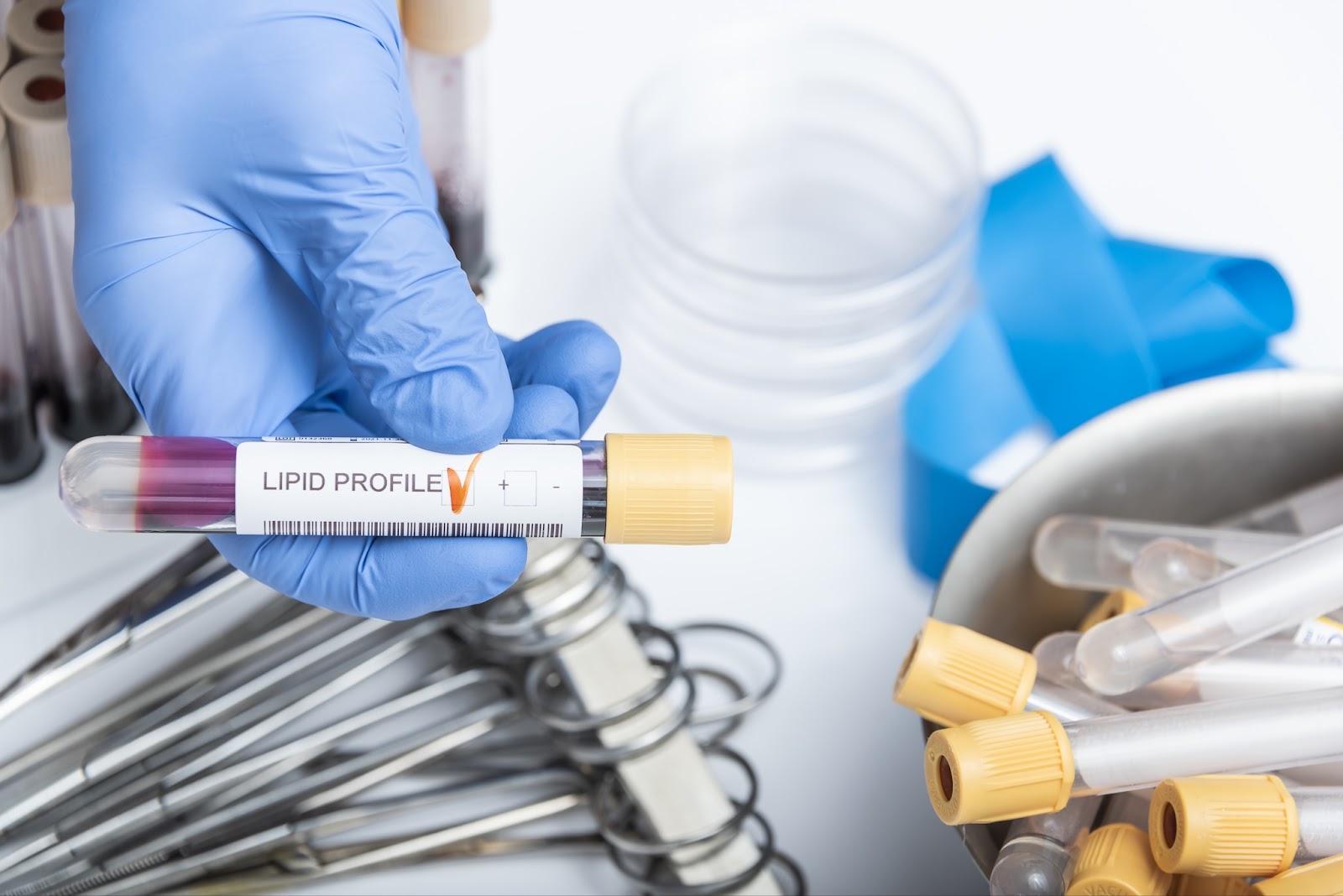
Discovering high triglycerides in a lipid profile test can be concerning, especially if your other cholesterol levels appear normal. You may wonder whether elevated triglycerides are dangerous, what caused the increase, and whether you need medication or lifestyle changes to bring your levels down.
Triglycerides are a type of fat found in your blood. Your body uses them to store energy, but persistently elevated levels can indicate metabolic problems and may increase your risk of cardiovascular complications. When triglycerides become very high, they can also raise the risk of acute pancreatitis, a potentially serious condition affecting the pancreas.
The good news is that high triglycerides can often be managed through targeted dietary changes, regular physical activity, treatment of underlying health conditions, and medication when necessary.
This guide explains how to interpret triglyceride test results, identify common causes, recognize warning signs, and understand the next steps for improving your Lipid Profile Test in Dubai.
What Are Triglycerides, and Why Are They Included in a Lipid Profile Test?
Triglycerides are fats that circulate in your bloodstream and provide energy between meals. When you consume more calories than your body needs, particularly from excess carbohydrates and fats, some of that energy can be converted into triglycerides and stored in fat cells.
When your body requires energy, hormones help release stored triglycerides for use.
A lipid profile test measures triglycerides alongside total cholesterol, HDL cholesterol, and LDL cholesterol. These results help healthcare professionals evaluate your lipid levels and assess your risk of cardiovascular disease.
Although triglycerides and cholesterol are both types of blood lipids, they serve different functions. Cholesterol helps build cells and produce certain hormones, while triglycerides primarily store energy.
High triglycerides may occur independently, but they frequently appear alongside low HDL cholesterol, excess abdominal fat, elevated blood glucose, and high blood pressure. This combination can indicate metabolic syndrome and an increased risk of heart disease.
How High Is Too High? Understanding Triglyceride Levels
Knowing your triglyceride number is the first step toward understanding whether you need further evaluation or treatment.
For adults, fasting triglyceride levels are commonly classified using the following ranges.
| Triglyceride level | General classification |
|---|---|
| Below 150 mg/dL | Normal |
| 150–199 mg/dL | Borderline high |
| 200–499 mg/dL | High |
| 500 mg/dL or higher | Very high |
These categories are general clinical reference points. Your healthcare provider may interpret nonfasting results differently and consider your overall medical history before recommending treatment.
What Does a Triglyceride Level of 150–199 mg/dL Mean?
A borderline high triglyceride level may reflect dietary habits, excess weight, limited physical activity, or early insulin resistance. It does not necessarily indicate an immediate health emergency, but it is worth addressing.
Your doctor may recommend reviewing your diet, checking blood glucose, assessing other cardiovascular risk factors, and repeating the lipid profile when appropriate.
What If Triglycerides Are Between 200 and 499 mg/dL?
Triglyceride levels in this range are considered high. They may be associated with increased cardiovascular risk, especially when accompanied by elevated LDL cholesterol, low HDL cholesterol, diabetes, or high blood pressure.
Management usually focuses on identifying the underlying cause, improving lifestyle habits, and assessing whether medication is appropriate.
Why Are Triglycerides of 500 mg/dL or Higher Concerning?
Very high triglyceride levels increase the risk of acute pancreatitis, particularly when levels rise substantially above 500 mg/dL.
If your result is 500 mg/dL or higher, contact your healthcare provider promptly for an individualized treatment plan. Levels approaching or exceeding 1,000 mg/dL require particularly urgent assessment because the risk of pancreatitis is greater.
Severe abdominal pain, persistent vomiting, or significant upper abdominal discomfort requires urgent medical evaluation.
The Hidden Reasons Behind High Triglycerides:
High triglycerides rarely have just one possible explanation. Several lifestyle habits, medical conditions, and genetic factors can influence how your body produces and processes blood fats.
1. Excess Sugar and Refined Carbohydrates
Frequent consumption of sugary drinks, sweets, pastries, and refined carbohydrates can contribute to elevated triglycerides. When the body receives more energy than it needs, the liver can convert some excess carbohydrates into triglycerides.
Reducing added sugar and choosing whole grains, vegetables, legumes, and other fiber-rich foods can help improve your lipid profile.
2. Alcohol Consumption
Alcohol can raise triglyceride levels, sometimes substantially. The effect varies according to the amount consumed, individual metabolism, and existing medical conditions.
If your triglycerides are elevated, discuss alcohol intake with your healthcare provider. People with very high triglyceride levels may be advised to avoid alcohol completely.
3. Excess Body Weight and Physical Inactivity
Excess abdominal fat and limited physical activity can contribute to insulin resistance. When insulin does not work effectively, the liver may produce more triglyceride-rich particles, while the body's ability to process triglycerides may decrease.
Regular physical activity and gradual weight loss, when appropriate, can help improve triglyceride levels and other metabolic risk factors.
4. Diabetes and Insulin Resistance
Poorly controlled diabetes is a common cause of elevated triglycerides. When blood glucose remains high, changes in fat metabolism can cause triglyceride levels to rise.
If your lipid profile shows high triglycerides, your healthcare provider may recommend blood glucose testing or an HbA1c test to assess diabetes risk.
5. Thyroid, Kidney, and Other Medical Conditions
Hypothyroidism, certain kidney disorders, and some liver-related conditions may affect lipid metabolism.
Treating an underlying condition can sometimes produce meaningful improvements in triglyceride levels.
6. Genetic Factors and Medications
Some people inherit a tendency to develop high triglycerides or other lipid disorders. Genetic conditions may cause severe elevations even when lifestyle habits are relatively healthy.
Certain medications, including some steroids, estrogens, and other prescription drugs, may also increase triglycerides. Never stop a prescribed medication on your own; ask your clinician whether an alternative or adjustment is appropriate.
Can High Triglycerides Occur When Cholesterol Is Normal?
Yes. You can have high triglycerides even when your total cholesterol or LDL cholesterol falls within a desirable range.
This happens because triglycerides and cholesterol measure different aspects of lipid metabolism. A standard lipid profile evaluates several measurements to provide a more complete picture of cardiovascular health.
For example, a person may have normal LDL cholesterol but elevated triglycerides and low HDL cholesterol due to insulin resistance or poorly controlled diabetes.
When triglycerides are high, your healthcare provider may also review non-HDL cholesterol, which is calculated by subtracting HDL cholesterol from total cholesterol. This measurement captures cholesterol carried by LDL and other potentially harmful lipoproteins.
If triglycerides are very high, calculated LDL cholesterol may be less reliable, depending on the laboratory method. Your clinician can determine whether repeat testing or a different measurement is needed.
What to Do After Receiving a High Triglyceride Result?
The appropriate next step depends on how elevated your triglycerides are, whether the test was fasting, and whether you have additional medical conditions.
Step 1: Confirm the Result When Necessary
A lipid profile can often be performed without fasting. However, your healthcare provider may request a fasting repeat test if triglycerides are significantly elevated or if the original result needs clarification.
Recent meals, alcohol consumption, acute illness, and changes in blood glucose can influence triglyceride levels. Follow the laboratory's instructions before repeat testing.
Step 2: Investigate Underlying Causes
Your clinician may review your diet, alcohol intake, medications, family history, and physical activity. Blood glucose, HbA1c, thyroid function, and kidney function tests may be appropriate in some cases.
Identifying the underlying cause helps guide treatment instead of focusing only on the triglyceride number.
Step 3: Make Targeted Dietary Changes
A heart-healthy eating pattern can help reduce triglycerides. Consider these practical adjustments:
-
Replace sugary drinks with water or unsweetened beverages.
-
Reduce sweets, desserts, and highly refined carbohydrates.
-
Eat more vegetables, legumes, whole grains, and fiber-rich foods.
-
Choose appropriate portions and avoid consistently consuming more calories than you need.
-
Discuss alcohol avoidance with your clinician, especially if triglycerides are very high.
For severe hypertriglyceridemia, your healthcare provider may recommend a specifically tailored, very low-fat diet for a limited period or as part of longer-term management.
Step 4: Increase Physical Activity
Regular exercise helps your body use energy more efficiently and can reduce triglyceride levels.
Many adults can work toward at least 150 minutes of moderate-intensity physical activity each week, such as brisk walking or cycling, provided their health allows it.
Start gradually if you have been inactive, and ask your healthcare professional about appropriate activity if you have significant medical conditions.
Step 5: Discuss Medication if Needed
Lifestyle changes are essential, but medication may be necessary for some people.
Depending on your cardiovascular risk and triglyceride level, treatment may include statins, prescription omega-3 fatty acids, or fibrates. These medications serve different purposes, and the most suitable option depends on your individual circumstances.
Statins primarily reduce cardiovascular risk by lowering LDL cholesterol, while certain other treatments may be considered to reduce very high triglycerides and the risk of pancreatitis.
Over-the-counter fish oil supplements are not equivalent to prescription omega-3 medication. Consult your healthcare provider before starting supplements or changing prescribed treatment.
How Long Does It Take to Lower Triglycerides?
Triglyceride levels can respond to dietary changes, reduced alcohol intake, improved blood glucose control, and physical activity over a relatively short period, although the amount of improvement varies.
Your healthcare provider may recommend repeating a lipid profile after several weeks or months, depending on the severity of the elevation and the treatment plan.
People with severe hypertriglyceridemia may need earlier follow-up and more intensive management. Do not delay medical assessment while attempting lifestyle changes if your triglycerides are very high.
Frequently Asked Questions About High Triglycerides:
Are high triglycerides dangerous?
Elevated triglycerides can be a marker of increased cardiovascular risk, especially when other metabolic risk factors are present. Very high levels also increase the risk of acute pancreatitis.
Can drinking water lower triglycerides?
Drinking water supports hydration and can replace sugary beverages, but water alone does not directly treat high triglycerides. Dietary changes, physical activity, managing underlying conditions, and medication when needed are more effective approaches.
Should I avoid all fats if my triglycerides are high?
Not necessarily. The appropriate amount of dietary fat depends on your triglyceride level and medical needs. Unsaturated fats can be part of a heart-healthy diet, while very high triglycerides may require specific medical dietary guidance.
Do high triglycerides always require medication?
No. Mild or moderate elevations may improve with lifestyle changes and treatment of underlying causes. Medication decisions depend on triglyceride levels, cardiovascular risk, and the risk of pancreatitis.
Final Thoughts: Take Control of Your Triglyceride Levels
High triglycerides in a lipid profile Lab tests can reveal important information about your metabolism and cardiovascular health. Common causes include excess sugar intake, alcohol consumption, physical inactivity, diabetes, certain medications, and inherited lipid disorders.
The right response begins with understanding your triglyceride level and identifying why it is elevated. Healthy dietary choices, regular exercise, appropriate weight management, and effective treatment of underlying conditions can make a meaningful difference.
If your triglycerides are very high, seek prompt medical guidance rather than relying on lifestyle changes alone. With personalized care and consistent follow-up, you can improve your lipid profile and reduce the risk of future complications.

 English
 Arabic
 French
 Spanish
 Deutsch
 Turkish
 Dutch
 Italiano
 Russian
 Romaian
 Portuguese (Brazil)
 Greek