


Is Mounjaro Injection Right for Your Weight Loss Goals?
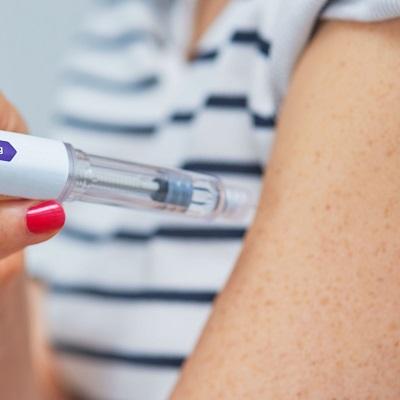
Weight management can be challenging, especially when healthy eating and regular physical activity do not produce the expected results. For many people, excess weight is influenced by several factors, including appetite, metabolism, hormones, genetics, sleep, and underlying health conditions. As medical weight management continues to evolve, treatments such as Mounjaro Injection have gained attention for their potential role in improving blood sugar control and supporting weight loss.
Mounjaro contains tirzepatide, a prescription medication that works by targeting hormones involved in blood sugar regulation, appetite, and digestion. It is primarily approved for managing type 2 diabetes in certain countries, while tirzepatide is also approved under a separate brand name for chronic weight management in some regions. Its suitability depends on individual health needs, eligibility, and local prescribing guidelines.
Although the treatment has shown promising results in clinical studies, it is not a universal solution for weight loss. Understanding how it works, who may benefit, its potential side effects, and the importance of medical supervision can help individuals make informed decisions about their weight management journey.
1. What Is Mounjaro Injection and How Does It Work?
Mounjaro Injection is a prescription medication containing tirzepatide. It belongs to a class of medicines that act on two hormone receptors: glucose-dependent insulinotropic polypeptide (GIP) and glucagon-like peptide-1 (GLP-1). These hormones help regulate blood sugar, appetite, and other processes associated with digestion and energy balance.
The medication is administered as a subcutaneous injection, meaning it is injected beneath the skin. It is generally taken once a week according to the prescribed treatment plan.
Mounjaro supports weight management through several mechanisms:
Appetite regulation: Tirzepatide acts on pathways involved in hunger and fullness. This may help reduce appetite and make it easier for some individuals to manage portion sizes.
Increased feelings of fullness: Some people feel satisfied after eating smaller meals, which can support a consistent calorie deficit when combined with healthy lifestyle habits.
Slower stomach emptying: The medication slows the movement of food from the stomach, particularly during the initial stages of treatment. This can contribute to fullness after meals, although the effect may diminish over time.
Blood sugar regulation: Mounjaro helps the body release insulin in response to elevated blood glucose and reduces glucagon secretion when appropriate. These actions are particularly relevant for people with type 2 diabetes.
Together, these effects may support meaningful weight reduction for eligible patients. However, results differ from person to person, and the medication works best as part of a comprehensive treatment plan.
2. Who May Benefit From Mounjaro Injection for Weight Loss?
Mounjaro Injection may be considered for people who need medical support with weight management, particularly when excess weight is associated with metabolic health concerns. The right treatment depends on an individual's medical history, current health, weight-related conditions, and treatment goals.
Potential candidates may include adults who:
-
Have type 2 diabetes and need help improving blood sugar control.
-
Have obesity or excess weight that contributes to health risks.
-
Have found it difficult to achieve sustainable weight loss through lifestyle changes alone.
-
Need a medically supervised approach to managing appetite and weight-related health concerns.
For chronic weight management, eligibility depends on the specific tirzepatide product, its approved indication, and the guidelines followed in the relevant country. In the United States, tirzepatide is also marketed as Zepbound for chronic weight management in eligible adults. Mounjaro's approved uses vary by jurisdiction, so its suitability for weight loss should be confirmed with a qualified healthcare professional.
It is also important to understand that the medication is not intended for everyone who wants to lose a few kilograms. A healthcare professional may assess body mass index (BMI), existing medical conditions, current medications, previous weight management efforts, and potential risks before recommending treatment.
People who are pregnant, planning pregnancy, or breastfeeding should discuss appropriate weight management options with their healthcare professional. Tirzepatide is not a substitute for a balanced diet, physical activity, or other necessary medical care.
3. How Much Weight Can Someone Lose With Mounjaro Injection?
One of the most common questions about Mounjaro Injection is how much weight a person can realistically expect to lose. Clinical research suggests that tirzepatide can produce substantial weight reduction in some individuals, particularly when combined with lifestyle interventions.
In a major clinical trial involving adults with obesity or overweight without diabetes, participants receiving tirzepatide alongside lifestyle support experienced average weight reductions of approximately 15% to 21% over 72 weeks, depending on the dose studied. Participants receiving a placebo experienced a smaller average reduction.
These results provide useful context, but they should not be interpreted as a guarantee. The trial studied specific patient groups under controlled conditions, and individual outcomes may be different. People with type 2 diabetes may experience different average weight changes from those without diabetes.
Several factors can influence the results:
-
Starting weight and health status: Existing medical conditions and baseline weight can affect treatment outcomes.
-
Dose and treatment duration: Results may develop gradually as treatment progresses under medical supervision.
-
Eating habits: Balanced meals, appropriate portions, and sufficient protein can help support healthier weight management.
-
Physical activity: Regular movement and resistance exercise can help preserve muscle and improve overall fitness.
-
Consistency: Following the prescribed schedule and attending follow-up appointments can help healthcare professionals evaluate progress.
Weight loss is rarely a perfectly straight process. Some individuals experience noticeable changes within the first few months, while others progress more gradually. Temporary plateaus may occur as the body adapts.
Rather than focusing exclusively on the number on the scale, a comprehensive approach should also consider improvements in blood sugar, blood pressure, mobility, energy levels, and other relevant health measures.
4. What Are the Possible Side Effects and Risks?
Like any prescription medication, Mounjaro Injection can cause side effects. Understanding these risks before starting treatment is essential for making an informed decision.
The most commonly reported side effects involve the digestive system. These may include:
-
Nausea, particularly when treatment begins or the dose increases.
-
Diarrhea or constipation.
-
Vomiting.
-
Abdominal discomfort or bloating.
-
Reduced appetite.
-
Indigestion or acid reflux.
For many people, digestive symptoms are mild to moderate and may improve as the body adjusts. Eating smaller meals, avoiding overly rich foods, staying hydrated, and following the prescribed dose schedule may help manage some symptoms. Persistent or severe symptoms should be discussed with a healthcare professional.
Less common but potentially serious risks also require attention. These include pancreatitis, gallbladder problems, dehydration-related kidney injury, and severe allergic reactions. Low blood sugar can occur, particularly when tirzepatide is used alongside insulin or certain other diabetes medicines.
Tirzepatide carries a boxed warning in the United States regarding thyroid C-cell tumors observed in rodents. Its relevance to humans is not fully established. It should not be used by people with a personal or family history of medullary thyroid carcinoma or by those with multiple endocrine neoplasia syndrome type 2, in accordance with US prescribing information.
People with a history of pancreatitis, severe gastrointestinal disease, gallbladder problems, or other significant medical conditions should discuss their circumstances before treatment.
Severe, persistent abdominal pain, especially if it spreads to the back, repeated vomiting, signs of dehydration, or symptoms of a serious allergic reaction require prompt medical attention.
Mounjaro can also affect the absorption of certain oral medicines because it delays stomach emptying. It may reduce the reliability of oral hormonal contraceptives, particularly after starting treatment and after dose increases. Patients should review their medication list and discuss whether additional contraceptive precautions or other adjustments are needed.
5. How Can Lifestyle Changes Improve Mounjaro Weight Loss Results?
Although Mounjaro Injection may help regulate appetite, sustainable weight management involves more than medication alone. Healthy daily habits can support weight reduction, protect overall health, and make progress easier to maintain.
Choose balanced, nutrient-rich meals. Meals containing vegetables, fruits, whole grains, lean proteins, and healthy fats can provide essential nutrients without relying on highly processed foods. Because appetite may decrease during treatment, nutrient quality becomes especially important.
Prioritize protein intake. Adequate protein helps maintain muscle during weight loss. Suitable options may include eggs, fish, poultry, beans, lentils, yogurt, and other protein-rich foods. Individual needs can vary, particularly for people with kidney disease or other dietary restrictions.
Stay physically active. Walking, cycling, swimming, and other enjoyable activities can support cardiovascular health and overall fitness. Resistance training may also help preserve muscle mass during weight reduction, when appropriate for the individual's health and ability.
Maintain good hydration. Drinking enough fluids is important, especially if nausea, vomiting, or diarrhea occurs. People with medical conditions that require fluid restrictions should follow their healthcare professional's advice.
Support healthy sleep habits. Consistent sleep routines may help with energy, appetite regulation, and the ability to maintain healthier daily habits.
Attend regular follow-up appointments. Monitoring weight changes, blood sugar when relevant, side effects, nutritional intake, and other health indicators allows the treatment plan to be reviewed and adjusted when necessary.
A sustainable plan should be realistic and flexible. Extreme calorie restriction, skipping meals to accelerate results, or increasing the medication dose without guidance can create avoidable health risks.
6. How to Decide Whether Mounjaro Injection Is Right for Your Goals
Choosing Mounjaro Injection requires a careful assessment of expected benefits, possible risks, and long-term weight management needs. The medication may be helpful for eligible individuals, but it is not appropriate for every person seeking weight loss.
Before starting treatment, a healthcare professional may review the following considerations:
Medical history: Existing conditions, previous abdominal or gallbladder problems, diabetes status, and family history can influence treatment suitability.
Current medications: Certain medicines may increase the risk of low blood sugar or require additional precautions when used with tirzepatide.
Realistic expectations: Weight reduction typically develops over time. The goal should be improved health and sustainable progress rather than rapid changes at any cost.
Treatment commitment: Weekly injections, follow-up visits, lifestyle adjustments, and ongoing monitoring may be part of the treatment process.
Long-term planning: Obesity is often a chronic condition, and maintaining weight loss may require continued support. Weight regain can occur after treatment stops, so a maintenance strategy should be discussed before or during treatment.
It is also important to purchase prescription medication through legitimate, regulated channels. Products obtained from unverified sellers may be counterfeit, improperly stored, or unsafe. The prescribed dose should never be increased independently to speed up weight loss.
Ultimately, Mounjaro Injection may be a useful option for certain people who need medical support for weight-related health concerns. The best decision comes from an individualized assessment that considers health history, treatment eligibility, lifestyle, and personal goals. A qualified healthcare professional can help determine whether tirzepatide is appropriate or whether another weight management approach would be more suitable.
Frequently Asked Questions About Mounjaro Injection
1. Is Mounjaro Injection approved for weight loss?
Mounjaro is approved for type 2 diabetes management in certain countries. Tirzepatide is also approved for chronic weight management under a separate brand name in some jurisdictions. The approved uses and eligibility requirements depend on local regulations, so treatment should be discussed with a qualified healthcare professional.
2. How quickly does Mounjaro Injection start working?
The medication begins affecting hormone pathways after treatment starts, but noticeable weight changes vary. Some individuals observe changes in appetite within the first few weeks, while measurable weight reduction generally develops over a longer period. Results depend on several individual and lifestyle factors.
3. Does Mounjaro Injection need to be taken every week?
Tirzepatide is generally administered once weekly according to the prescription. The dose is usually started low and increased gradually when appropriate to help improve tolerability. Patients should follow the prescribed instructions rather than changing the dose themselves.
4. Can Mounjaro Injection be used without diet and exercise?
The medication may reduce appetite, but it should not replace healthy eating and physical activity. Combining treatment with appropriate nutrition, regular movement, and medical follow-up can support better overall health and weight management outcomes.
5. What happens when someone stops using Mounjaro Injection?
Appetite may increase after treatment stops, and some weight regain is possible. The amount varies between individuals. A healthcare professional can help develop a maintenance plan that includes sustainable eating habits, physical activity, and appropriate long-term support.
6. Who should avoid Mounjaro Injection?
Mounjaro may be unsuitable for people with certain medical conditions, including those with a personal or family history of medullary thyroid carcinoma or multiple endocrine neoplasia syndrome type 2 under US prescribing guidance. Pregnancy, breastfeeding, a history of pancreatitis, severe gastrointestinal problems, and other health concerns also require careful assessment. A healthcare professional should review individual risks before treatment begins.
Read More About Mounjaro Injection: https://drukarnia.com.ua/articles/mounjaro-injection-what-beginners-need-to-know-OmruO

 English
 Arabic
 French
 Spanish
 Portuguese
 Deutsch
 Turkish
 Dutch
 Italiano
 Romaian
 Portuguese (Brazil)
 Greek