


What Should Rockv High Temperature High Pressure Gate Valve for Power Plant Buyers Check
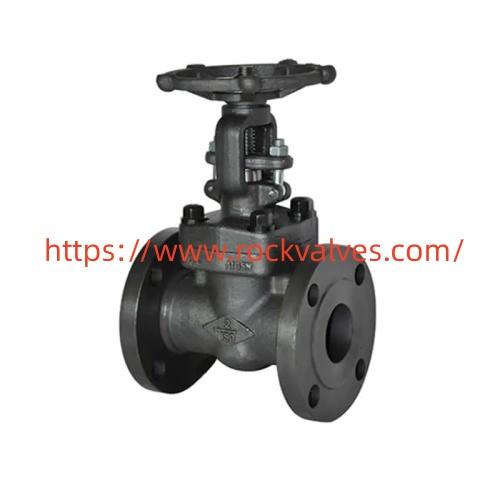
High Temperature High Pressure Gate Valve for Power Plant selection begins with a careful review of the materials used in the valve body, bonnet, internal components, and sealing parts. For power generation projects, the combination of operating temperature, working pressure, steam conditions, and installation requirements determines which material grades deserve consideration. Buyers who understand these factors can communicate their technical needs more clearly and compare available products with greater confidence.
Material selection is not simply a matter of choosing steel with a particular grade. Each component has a different function, and its material needs to suit the conditions it will encounter throughout operation. A body carries the pressure boundary, while the stem and gate participate in opening and closing. Seating surfaces and packing materials also influence sealing performance. Reviewing these parts together helps prevent a purchasing decision from focusing on one specification while overlooking another.
Carbon steel is commonly considered for industrial valve applications where the operating conditions fall within its permitted pressure and temperature ratings. It can be suitable for certain water, steam, and general service systems. However, its allowable stress changes with temperature, so buyers should not assume that a grade suitable for one pipeline will also meet the requirements of another. The applicable material standard and pressure temperature rating should always be checked against the intended service.
When operating temperatures increase, chromium molybdenum alloy steels may become relevant. Grades such as WC6 and WC9 are used in various high temperature industrial applications, including steam service. Their alloy composition supports different mechanical and thermal requirements compared with conventional carbon steel. The appropriate grade depends on the actual design conditions, applicable standards, and engineering requirements rather than the material name alone.
For demanding steam systems, project engineers may also consider other alloy grades according to the expected temperature range and service conditions. Material selection should account for long term exposure to heat, potential changes in mechanical properties, and the demands associated with repeated heating and cooling. Buyers should request technical confirmation from the manufacturer instead of relying on a general temperature figure found in a product description.
Stainless steel may be considered when corrosion resistance is an important part of the application. Nevertheless, stainless steel is not automatically suitable for every hot steam pipeline. Different grades have different mechanical properties, and their allowable operating conditions need to be verified. The surrounding fluid, possible contaminants, and expected service life all influence whether a particular composition is appropriate.
The body material is only one part of the purchasing decision. Internal components deserve similar attention because the gate, stem, and seating surfaces experience contact, movement, and potential wear during operation. Depending on the design, manufacturers may specify different materials or surface treatments for these components. Buyers should confirm that the selected configuration suits the intended duty and that the relevant inspection requirements are included in the order.
Sealing arrangements also deserve attention during technical discussions. Packing, gaskets, bonnet construction, and connection details need to work with the selected materials and operating conditions. For certain high pressure applications, a pressure seal bonnet may be considered, while other designs use bolted connections. The appropriate arrangement depends on the valve design, pressure class, size, and project specifications. No single configuration should be assumed suitable for every installation.
Before placing an order, purchasing teams can prepare a short technical checklist. It should include the design temperature, design pressure, operating medium, required material grades, nominal size, pressure class, end connections, and applicable manufacturing and testing standards. Material certificates, inspection records, and other documentation should also be discussed when required by the project. Clear information at this stage helps the manufacturer assess the request and identify any details that need further confirmation.
Manufacturing capability is another practical consideration. Buyers may ask how material identification is maintained, which inspection procedures are available, and how finished products are tested before shipment. They can also confirm production schedules, packaging arrangements, and the documents supplied with an order. These questions create a clearer basis for comparing quotations and coordinating deliveries with the wider construction or maintenance plan.
Rockv works with industrial valve requirements where material selection and product specifications need to be considered together. Buyers preparing a new project can review the available product range and discuss their operating conditions, connection requirements, and documentation needs with the supplier. The catalogue at https://www.rockvalves.com/product/ provides a starting point for reviewing product options and identifying suitable configurations for further technical discussion. Matching the valve design to verified service conditions helps purchasing teams make informed decisions and establish clearer expectations before an order moves into production.

 English
 Arabic
 French
 Portuguese
 Deutsch
 Turkish
 Dutch
 Italiano
 Russian
 Romaian
 Portuguese (Brazil)
 Greek