


How Advances in Oncology Research Are Improving Cancer Care
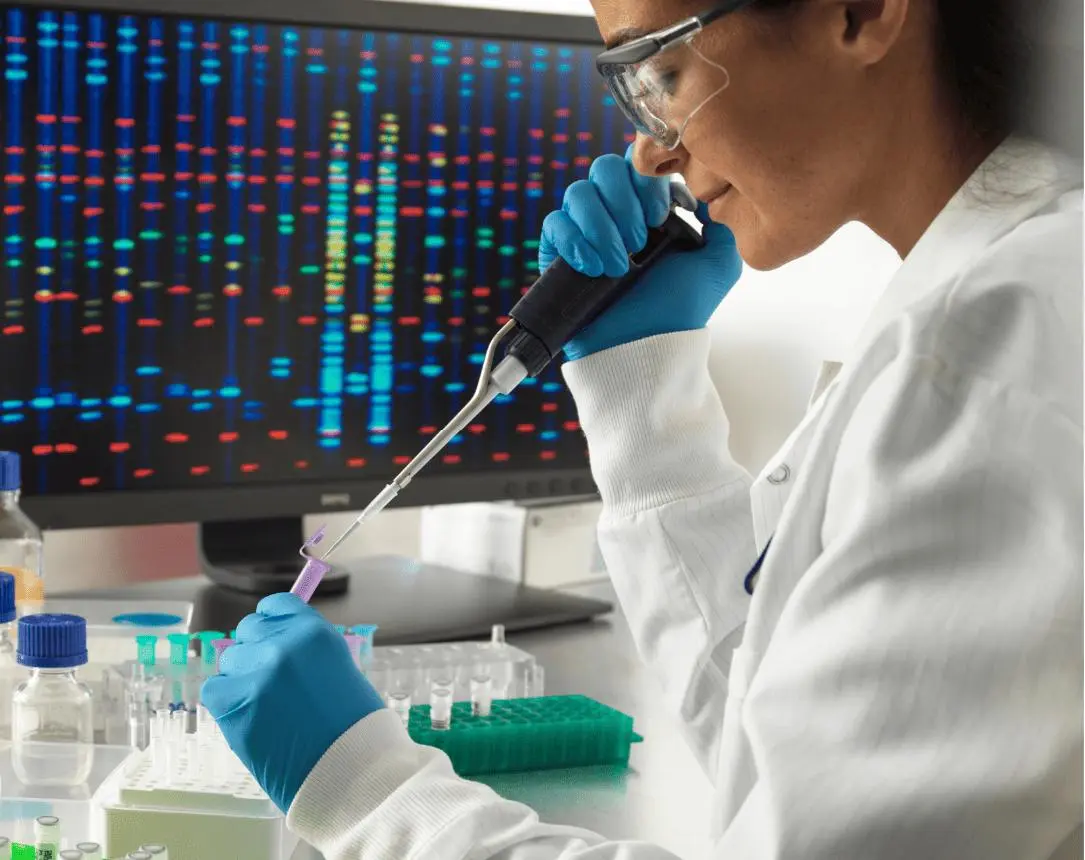
Cancer research continues to shape the way healthcare professionals understand, diagnose, and treat different types of cancer. Scientific discoveries are helping researchers identify the biological mechanisms behind tumor development, evaluate new treatment approaches, and investigate why some patients respond better to particular therapies than others.
Modern oncology combines established treatment methods with developing technologies, including molecular diagnostics, precision medicine, immunotherapy, and targeted therapies. These approaches are not suitable for every patient, but they have expanded treatment options for selected cancers and created new opportunities for clinical investigation.
Equally important is the ability to translate research findings into everyday healthcare practice. Medical professionals need reliable evidence and continuing education to understand which discoveries are relevant to their patients. Oncology education platforms such as ONC Brothers help share discussions about cancer research, clinical developments, and evolving treatment strategies.
Understanding the Importance of Oncology Research
Oncology research involves studying cancer at different levels, from the molecular changes that cause cells to grow abnormally to clinical studies that evaluate treatments in patients. Researchers investigate cancer prevention, early detection, diagnosis, treatment effectiveness, resistance, and survivorship.
Laboratory research helps scientists understand how cancer cells behave and identify potential therapeutic targets. Clinical research then examines whether promising approaches can provide meaningful benefits in real patients.
This process requires time, careful testing, and independent evaluation. A discovery in a laboratory does not automatically become an effective treatment. Researchers must determine its safety, appropriate dosage, possible side effects, and effectiveness in specific patient populations.
High-quality research also helps clinicians recognize the limitations of available treatments. Understanding when a therapy is unlikely to work can be just as important as identifying patients who may benefit from it.
Precision Medicine and Personalized Cancer Treatment
Precision medicine has become an important part of cancer care. This approach considers the biological characteristics of a tumor alongside its location, stage, and other clinical factors.
Biomarker testing can identify specific genetic changes, proteins, or other features that may influence treatment selection. For example, certain genetic alterations in lung cancer can help clinicians identify patients who may benefit from particular targeted medicines. Hormone receptor and HER2 testing can also guide treatment decisions in selected breast cancers.
However, biomarker testing must be interpreted carefully. Not every cancer has an actionable biomarker, and not every molecular finding has an established treatment associated with it. The appropriate testing strategy depends on the diagnosis and the clinical question being investigated.
Precision medicine also continues to evolve as researchers learn more about tumor diversity and treatment resistance. A tumor may contain different groups of cancer cells, and those populations can change over time. This complexity explains why personalized treatment requires ongoing clinical assessment rather than reliance on a single test result.
Immunotherapy and the Immune System
Immunotherapy is another important area of oncology research. These treatments aim to help the immune system recognize or attack cancer cells. One established approach involves immune checkpoint inhibitors, which block certain regulatory pathways that tumors may use to reduce immune activity.
Checkpoint inhibitors have demonstrated benefits in selected patients with cancers such as melanoma, lung cancer, and several other malignancies. Their suitability depends on the cancer type, stage, biomarkers, previous treatments, and other clinical considerations.
Immunotherapy does not work for everyone, and it can cause significant side effects. Because these medicines alter immune activity, inflammation may affect healthy organs, including the lungs, liver, intestines, skin, and endocrine glands.
Researchers continue to investigate why some tumors respond while others resist treatment. Studies are also evaluating combinations of immunotherapy with chemotherapy, targeted medicines, radiation, and other interventions. These strategies require careful evaluation to determine whether additional benefits justify the potential risks.
The Role of Clinical Trials in Cancer Treatment
Clinical trials are essential for determining whether new cancer treatments are safe and effective. They allow researchers to evaluate experimental medicines, compare treatment strategies, investigate new combinations, and study ways to improve patients' quality of life.
Early-phase trials generally focus on safety, dosing, and initial signs of activity. Later-phase studies may compare a new approach with established treatment and measure outcomes such as tumor response, progression-free survival, overall survival, and adverse events.
Trial results need to be interpreted in context. A treatment that produces encouraging results in a small study may not provide the same benefits in a larger population. Researchers must also consider the severity of side effects and whether the observed improvement is meaningful to patients.
Clinical trial participation is voluntary and involves uncertainty. Patients should discuss eligibility, potential risks, possible benefits, alternatives, and practical requirements with their oncology team before making a decision.
Bridging Academic Research and Community Oncology
Scientific progress can only improve patient care when relevant findings reach the healthcare professionals who need them. Academic research centers often conduct complex studies and develop new treatment approaches, while community oncology practices deliver care to patients in their local communities.
Keeping these settings connected is important because cancer specialists must interpret a growing amount of research across many diseases. New trial findings, biomarker recommendations, treatment approvals, and safety information can all influence clinical decisions.
Continuing medical education, specialist discussions, multidisciplinary meetings, and accessible research summaries can help clinicians remain informed. These resources should complement established clinical guidelines and professional judgment rather than replace them.
The ONC Brothers oncology education platform focuses on sharing developments in cancer medicine and supporting discussions between academic and community oncology professionals.
Multidisciplinary Care and Better Treatment Planning
Cancer management frequently involves several medical specialties. Depending on the diagnosis, a patient's care team may include medical oncologists, surgeons, radiation oncologists, pathologists, radiologists, specialist nurses, and supportive-care professionals.
These specialists contribute different perspectives to diagnosis and treatment planning. Pathologists establish the nature of the disease, radiologists help assess its location and extent, and oncologists evaluate appropriate systemic treatments. Surgeons and radiation specialists determine whether their respective treatments may provide benefit.
Collaborative decision-making can help identify relevant options, coordinate treatment timing, and address complex clinical questions. It also allows teams to consider the patient's overall health, preferences, and quality-of-life priorities.
Supportive care is an important component of this process. Managing pain, fatigue, nutritional concerns, emotional distress, and treatment-related complications can help patients navigate the challenges associated with cancer care.
Challenges in Translating Research into Practice
Despite major scientific progress, several barriers can prevent research findings from being applied consistently. Access to specialist care, molecular testing, clinical trials, and newer treatments varies across healthcare systems and geographic areas.
Cost, transportation, staffing limitations, and delays in obtaining diagnostic results can also affect the care patients receive. Some patients may not qualify for particular therapies because of their cancer characteristics or other medical conditions.
Another challenge is distinguishing reliable evidence from preliminary findings. Early research and conference presentations can generate interest, but treatment recommendations should be based on the strength of the available evidence and the relevance of the findings to a particular patient.
Healthcare professionals must continually evaluate new information, discuss uncertainties with patients, and use current guidelines when selecting appropriate care.
Future Directions in Oncology Research
Cancer research continues to investigate liquid biopsies, artificial intelligence, personalized vaccines, cellular therapies, and improved methods of detecting disease earlier. Some technologies already have established uses in specific clinical settings, while others remain under investigation.
Liquid biopsies can detect tumor-derived material in blood and may help answer certain diagnostic or monitoring questions. However, their accuracy varies, and a negative result does not always exclude cancer or a particular molecular alteration.
Artificial intelligence may support selected imaging, pathology, and research workflows, but clinical use requires appropriate validation and oversight. Similarly, emerging therapies must demonstrate safety and meaningful benefit before they can be considered established treatment options.
Future progress will depend on rigorous research, collaboration across healthcare settings, equitable access, and transparent communication about both the potential and limitations of new technologies.
Conclusion
Advances in oncology research are expanding understanding of cancer biology and creating additional treatment options for appropriately selected patients. Precision medicine, immunotherapy, targeted therapies, clinical trials, and multidisciplinary collaboration all contribute to the changing landscape of cancer care.
However, scientific innovation must be accompanied by careful evaluation and responsible clinical decision-making. Reliable evidence, continuing education, and communication between academic researchers and community oncology professionals are essential to translating discoveries into meaningful patient benefits.
By following credible oncology education and research discussions, healthcare professionals and interested readers can develop a better understanding of how cancer care continues to evolve.

 English
 Arabic
 French
 Spanish
 Portuguese
 Deutsch
 Turkish
 Dutch
 Italiano
 Russian
 Romaian
 Greek