


What Tools Do Dentists Use During Teeth Scaling?
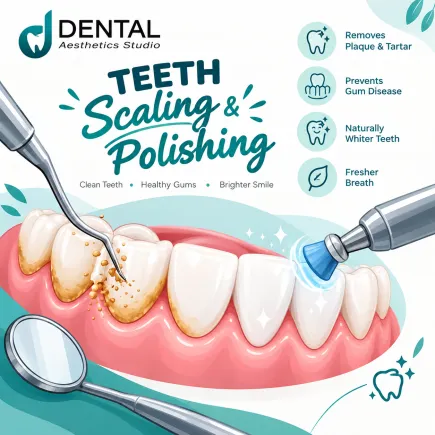
Professional teeth scaling is a dental procedure that removes plaque and hardened tartar from tooth surfaces and around the gumline. Dentists use specialized instruments to clean areas that regular brushing and flossing cannot reach effectively. The tools selected depend on the amount of tartar, its location, and the condition of the patient's gums. Understanding these instruments can help you feel more comfortable before your dental cleaning appointment.
1. Ultrasonic Scalers:
Ultrasonic scalers are commonly used during professional teeth scaling. These electronic instruments have a vibrating tip that helps break up and remove hardened tartar from tooth surfaces. Many ultrasonic scalers also use a stream of water to cool the tip and flush away loosened deposits.
They can be particularly useful when substantial tartar has accumulated. The dentist adjusts the instrument and technique according to the patient's needs to clean the teeth effectively and comfortably.
2. Hand Scalers:
Hand scalers are manual dental instruments designed to remove plaque and tartar from specific areas of the teeth. They have shaped working ends that allow the dentist to access deposits around the gumline and between teeth.
These instruments provide precise control and can be useful for removing localized deposits that remain after ultrasonic scaling. Dentists select the appropriate instrument based on the location and shape of the buildup.
3. Dental Curettes:
Dental curettes are specialized instruments used to remove deposits from tooth surfaces, including areas below the gumline when periodontal treatment is needed. Their rounded working ends are designed to help clean root surfaces while reducing unnecessary trauma to the surrounding tissues.
Different curettes are designed for different tooth surfaces and areas of the mouth. They may be used during routine cleaning or deeper periodontal procedures, depending on the patient's condition.
4. Dental Mirrors:
A dental mirror helps the dentist see areas of the mouth that are difficult to view directly. It provides visibility around the back teeth, behind the front teeth, and near the gumline.
During scaling, the mirror helps the dentist inspect tooth surfaces, identify deposits, and monitor the cleaning process. Good visibility is important for ensuring that the treatment addresses the areas requiring attention.
5. Dental Probes:
Dental probes and periodontal probes help dentists examine the teeth and gums. A periodontal probe measures the depth of the spaces between the teeth and gums, helping identify signs of gum inflammation or periodontal disease.
These instruments do not remove tartar themselves. Instead, they provide important information that helps the dentist determine whether routine scaling is sufficient or additional periodontal treatment may be necessary.
6. Polishing Equipment:
After scaling, a dentist may use a polishing handpiece with a suitable rubber cup or brush and polishing paste. This equipment helps remove certain external stains and smooth tooth surfaces when polishing is appropriate.
Polishing is different from scaling. Scaling removes plaque and hardened tartar, while polishing mainly targets suitable surface stains and deposits. Not every patient needs polishing after every cleaning appointment.
7. Dental Suction Equipment:
Dental suction equipment removes excess water, saliva, and loosened debris during the procedure. It helps keep the treatment area clear and allows the dentist to work with better visibility.
Depending on the equipment and procedure, suction may be used alongside ultrasonic scaling and other dental instruments to improve comfort and maintain a clean working area.
How Do Dentists Choose the Right Scaling Tools?
The instruments used during teeth scaling depend on several factors, including the amount of tartar, the location of the deposits, gum health, and whether the patient has periodontal disease. Some patients need only routine scaling above the gumline, while others may require deeper cleaning below the gumline.
If you are considering teeth scaling in Islamabad, your dentist can examine your teeth and gums and explain which instruments and cleaning methods are appropriate for your condition.
Does Teeth Scaling Hurt?
Most routine scaling appointments cause little discomfort, although some patients experience temporary sensitivity or mild gum tenderness. Discomfort may be more noticeable when the gums are inflamed or significant tartar has accumulated.
Tell your dentist if you experience pain during the procedure. Depending on your needs, the dentist may adjust the technique or recommend local anesthesia for deeper cleaning.
Conclusion:
Dentists use several tools during teeth scaling, including ultrasonic scalers, hand scalers, curettes, dental mirrors, periodontal probes, and suction equipment. Each instrument serves a specific purpose in removing deposits, examining gum health, or supporting a comfortable procedure. The right combination depends on your individual dental condition.
For professional guidance and preventive dental care, visit Dental Aesthetics Studio to discuss your oral health and learn which teeth cleaning options may be suitable for you.

 English
 Arabic
 French
 Spanish
 Portuguese
 Deutsch
 Turkish
 Dutch
 Italiano
 Russian
 Portuguese (Brazil)
 Greek