


Post-Tensioning Contractors in Gujarat, Maharashtra, and Mumbai: A Complete Guide for Modern Construction
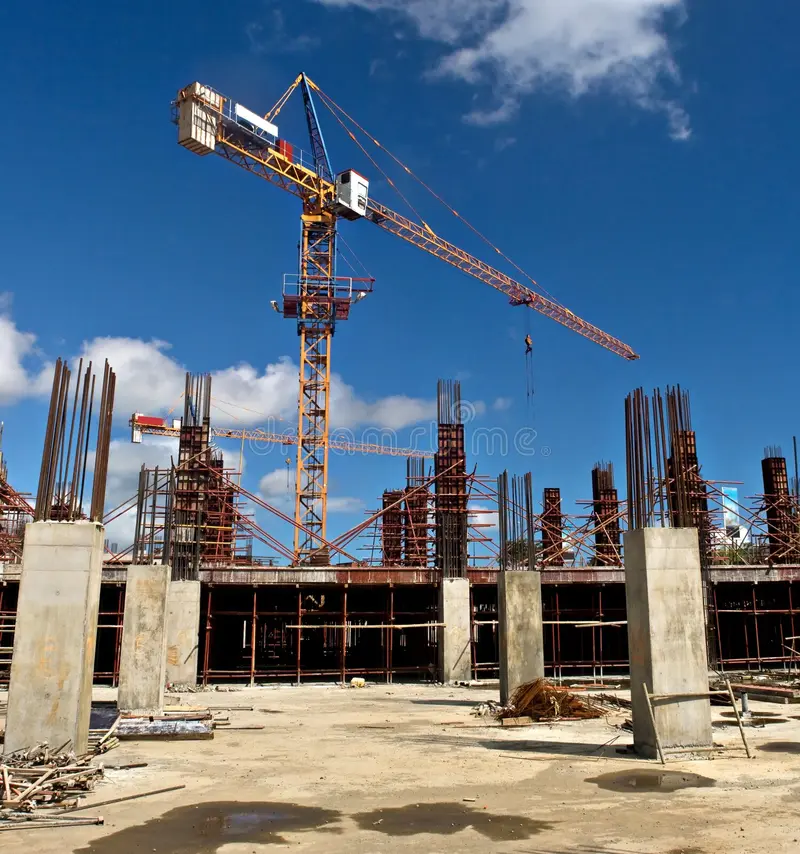
India’s construction industry is developing rapidly, with residential buildings, commercial complexes, industrial facilities, and infrastructure projects requiring efficient and reliable structural solutions. Developers and contractors are increasingly exploring modern construction techniques that help optimise space, improve structural performance, and support project planning. Post-tensioning is one such technique that can offer important advantages when it is properly designed and executed.
Gujarat and Maharashtra have diverse construction markets, ranging from industrial developments and commercial properties to high-rise buildings and large residential projects. Each project has unique requirements, making it important to select a post-tensioning contractor with the appropriate technical expertise, installation capabilities, and quality-control procedures.
Understanding the basics of post-tensioning and knowing what to look for in a contractor can help developers, builders, and structural consultants make informed decisions and manage construction projects more effectively.
Post-tensioning is a method of prestressing concrete in which high-strength steel tendons are tensioned after the concrete has achieved the specified strength. The tensioning process introduces compression into the concrete, helping structural elements perform under their intended loading conditions.
The tendons are positioned according to approved structural drawings. Once the concrete reaches the required strength, specialised equipment is used to tension the tendons and secure them through anchorage systems.
Post-tensioning may be considered for residential towers, commercial buildings, parking structures, podium slabs, transfer structures, and selected infrastructure projects. Depending on the engineering design, it can allow longer spans and reduce the need for certain intermediate columns, providing greater flexibility in the use of interior space.
In suitable applications, post-tensioning may also help optimise slab thickness and structural material quantities. However, the benefits depend on the building layout, loading conditions, construction methods, and quality of execution. A qualified structural engineer should determine whether the technique is suitable for each project.
Post-tensioning involves several interconnected activities, including engineering coordination, material inspection, tendon installation, concrete placement, stressing, and quality documentation. Each stage must follow the approved structural design and project specifications.
Poor coordination can result in installation problems, construction delays, additional expenses, or unnecessary rework. An experienced contractor understands the importance of planning, communication, and coordination with the structural consultant, main contractor, and site team.
When evaluating Post Tensioning Contractors in Gujarat, consider their technical expertise, experience with similar projects, installation procedures, safety standards, and approach to quality control.
Ask about the services included in the proposed scope of work. Materials, installation, stressing, site supervision, technical coordination, and documentation may be included differently in different quotations. Understanding these details before signing an agreement can help prevent misunderstandings during construction.
Gujarat has a diverse construction environment that includes residential developments, commercial buildings, industrial facilities, warehouses, and infrastructure projects. Each type of structure can have different requirements depending on its intended use, loading conditions, structural layout, and construction schedule.
For example, a commercial building may require flexible floor layouts, while an industrial facility may have specific equipment loads or operational requirements. Post-tensioning should be evaluated according to these needs rather than selected simply because it is a modern construction technique.
Technical expertise: The contractor should understand tendon layouts, anchorage locations, stressing sequences, reinforcement coordination, and concrete-strength requirements.
Material quality: Steel strands, tendons, anchorages, ducts, sheathing, and associated components should comply with the approved project specifications.
Site coordination: The contractor should coordinate with the structural consultant and main contractor to address slab openings, embedded services, construction joints, and installation requirements.
Quality documentation: Material approvals, inspection records, equipment calibration, and stressing data should be maintained according to project requirements.
Safety practices: Post-tensioning involves high forces and specialised equipment. Appropriate worker training, equipment checks, restricted stressing zones, and site supervision are essential.
Reviewing these factors helps developers compare contractors according to project requirements rather than relying solely on promotional claims or the lowest price.
Maharashtra includes major urban developments, industrial facilities, commercial properties, residential towers, and infrastructure projects. Structural requirements can vary depending on the project location, building design, loading conditions, site access, and intended use.
When comparing Post Tensioning Contractors in Maharashtra, review the provider’s experience with similar structures and its ability to coordinate with the wider construction team.
Request relevant project references where available and clarify the responsibilities covered by the quotation. One proposal may include materials, installation, stressing, supervision, and quality documentation, while another may exclude some of these services. Comparing proposals using the same scope makes it easier to assess their actual value.
Start by confirming whether the contractor has the technical personnel and equipment required for your project. Ask how tendon installation and stressing will be supervised, how quality inspections will be recorded, and how potential issues will be communicated to the responsible engineering professionals.
You should also clarify the construction schedule, payment terms, exclusions, additional charges, and procedure for handling design revisions.
A contractor with clear communication practices and well-defined responsibilities can help project teams manage construction activities more effectively.
Mumbai's built environment includes high-rise residential buildings, commercial towers, mixed-use developments, office spaces, and parking structures. These projects can require careful coordination between structural design, architectural planning, reinforcement, building services, and construction scheduling.
Post-tensioning may be considered where longer spans or efficient floor layouts are important. However, its suitability depends on the structural design, building use, loading conditions, and project specifications.
When researching a Post Tensioning Company in Mumbai, assess its experience with comparable projects, technical support, material quality procedures, and approach to installation and supervision.
It is also useful to discuss site logistics, equipment access, material handling, and scheduling before work begins. These details can affect how post-tensioning activities fit into the overall construction programme.
Tendon placement must follow approved drawings, and stressing should take place only after the specified concrete strength has been confirmed and the approved procedure permits the operation. Suitable equipment, trained personnel, and accurate stressing records are important parts of quality assurance.
Where a bonded system is specified, the required grouting procedures and inspections must also be followed. For unbonded systems, tendon protection and anchorage details require appropriate attention.
Changes to slab openings, reinforcement, embedded services, or construction sequences should be reviewed through the appropriate engineering process before affecting the approved arrangement.
Good coordination and accurate documentation help reduce avoidable conflicts and support more organised project execution.
When appropriately designed, post-tensioning can help achieve longer spans and more flexible floor layouts. These characteristics may be useful in commercial buildings, residential developments, parking facilities, and other structures where column placement affects space utilisation.
The technique may also help optimise slab thickness and structural material quantities in suitable applications. Integrating post-tensioning activities into the construction schedule can support planning for concrete placement, stressing operations, inspections, and subsequent work.
However, post-tensioning does not automatically guarantee lower costs or faster completion. Actual outcomes depend on engineering design, materials, labour, equipment, site conditions, and execution quality.
Developers should compare alternative structural solutions and evaluate the complete project cost before making a final decision.
Post-tensioning introduces compression into concrete through tensioned steel tendons. When appropriately designed, it can help structural elements perform under their intended loads and may allow longer spans.
Review technical expertise, relevant project experience, material quality, installation procedures, safety practices, site supervision, and quality documentation. Always clarify the scope of work before signing the contract.
It may be suitable for selected commercial buildings where efficient spans or flexible floor layouts are important. A qualified structural engineer must assess the project requirements.
Compare relevant project experience, technical support, installation capabilities, quality-control procedures, safety arrangements, documentation, and quotation details.
It may improve structural efficiency in suitable projects, but actual savings depend on design, materials, labour, equipment, construction sequencing, and site conditions.
Review approved structural drawings, post-tensioning layouts, material approvals, installation procedures, quality plans, safety requirements, and the agreed scope of work.
Post-tensioning can provide valuable structural solutions for suitable construction projects in Gujarat, Maharashtra, and Mumbai. Its success depends on appropriate engineering design, specified materials, skilled installation, safe stressing procedures, and effective coordination between project teams.
Before selecting a contractor, evaluate relevant experience, technical expertise, quality-control procedures, safety practices, documentation, and commercial terms. A clearly defined scope of work and early communication can help minimise avoidable problems and support smoother construction.
By choosing a provider according to the specific needs of the project and working with qualified structural professionals, developers and contractors can make informed decisions and work towards efficient, reliable construction outcomes.

 English
 French
 Spanish
 Portuguese
 Deutsch
 Turkish
 Dutch
 Italiano
 Russian
 Romaian
 Portuguese (Brazil)
 Greek