


How to Recognize and Treat Stress Eating Disorder
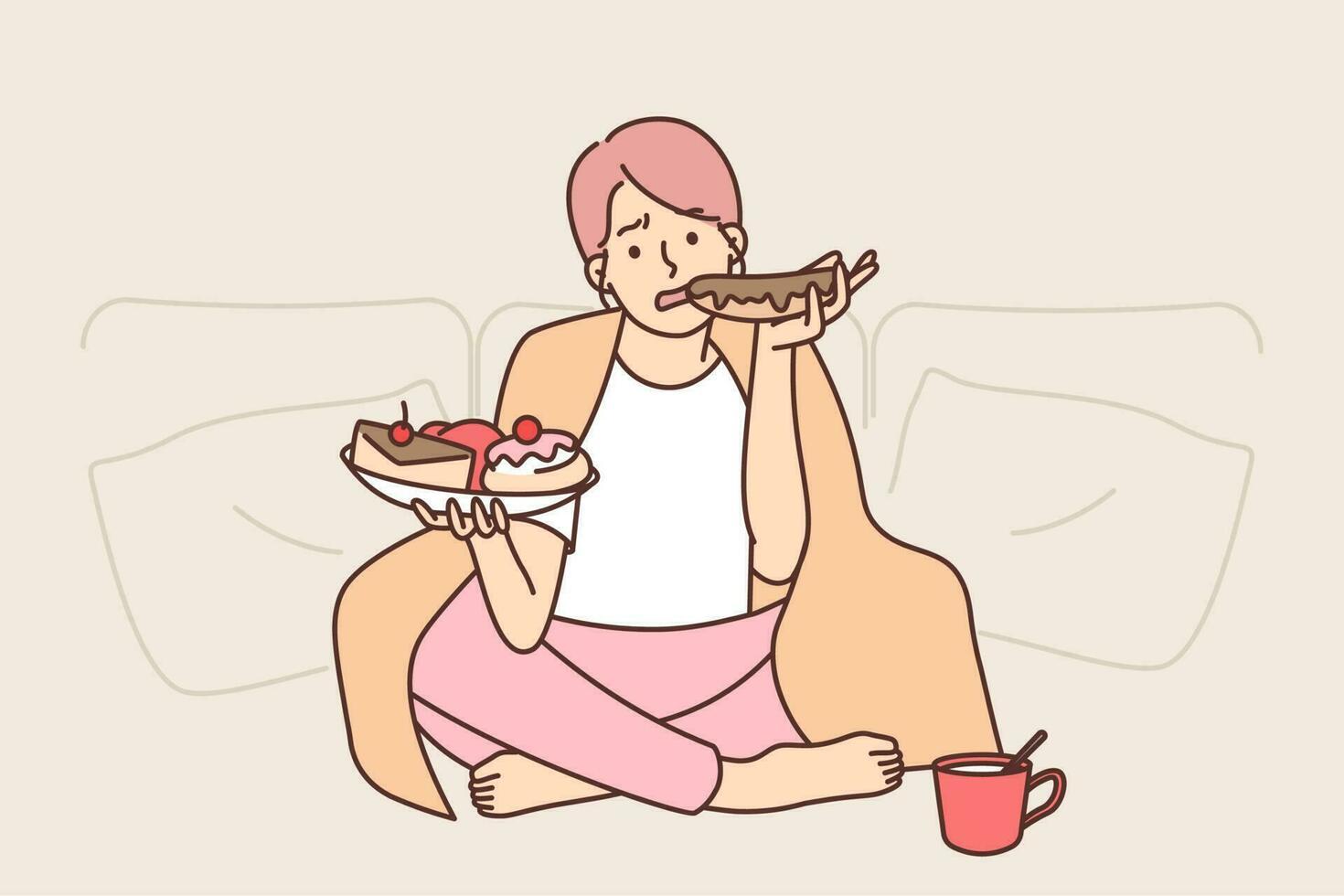
Have you ever reached for food after a stressful day, even when you’re not physically hungry? When worries pile up, or emotions feel difficult to manage, eating can become a source of temporary comfort. Over time, this pattern becomes harder to control, especially when food becomes your go-to response to stress.
Stress eating disorder” is not a formal clinical diagnosis in the DSM-5-TR. That's why persistent stress-related eating can sometimes overlap with emotional eating. However, recognizing the signs and symptoms can help you understand your relationship with food. In this blog, you will explore treatment options that address both emotional distress and unhealthy eating patterns.
What Does Stress Eating Disorder Mean?
Stress eating refers to using food to manage emotional discomfort. When stress builds, eating offers a brief sense of comfort. However, that relief often fades without resolving the underlying stressor.
Over time, a person may begin associating certain emotions with eating. Work pressure, relationship conflicts, loneliness, or frustration can trigger cravings even when the body does not need food. This pattern can make it harder to recognize hunger and fullness cues.
The term “stress eating disorder” is commonly used to describe these concerns. Stress eating exists on a spectrum, from occasional eating for comfort to persistent patterns that cause distress. If these patterns persist, then seeking support from a mental health professional can help you manage this condition.
Causes of Stress Eating Disorder
Stress eating develops when emotional strain begins to influence a person’s food habits. The following are the factors that contribute to the eating disorder.
-
Ongoing Pressure and Unresolved Stress
-
Using Food to Respond to Emotions
-
Past Experiences and Family Habits
-
Food Restriction and Irregular Eating
-
Sleep Loss and Emotional Exhaustion
Common Symptoms Of Stress Eating Disorder
Stress eating does not have a standardized set of symptoms because it is not a formal clinical diagnosis. Instead, the signs often appear in the relationship between emotions, eating habits, and the situations that trigger the urge to eat. The common patterns associated with stress eating include:
-
Wanting to eat after a stressful interaction, difficult task, or emotionally draining day.
-
Craving certain foods more intensely when feeling anxious, frustrated, or overwhelmed.
-
Reaching for food automatically in response to stress, without first checking whether you feel physically hungry.
-
Relying on eating to relax, distract yourself, or cope with uncomfortable emotions.
-
Feeling frustrated, guilty, or distressed when you notice the same eating pattern happening repeatedly.
Treatment Options for Emotional Eating
When stress repeatedly affects your eating habits, it is the right time to understand the emotions behind the behavior. A mental health provider can help you explore why certain situations trigger the urge to eat with psychotherapy that includes the following approaches:
-
Cognitive behavioral therapy (CBT): CBT helps you examine how thoughts, emotions, and behaviors influence one another. It also helps you identify triggers and establish more consistent eating habits.
-
Dialectical behavior therapy (DBT): DBT focuses on managing intense emotions, tolerating distress, and responding more thoughtfully during difficult moments. These skills can be useful when anxiety, frustration, or sadness creates a strong urge to eat.
-
Mindfulness-based therapy: Mindfulness approaches help you become more aware of physical hunger, emotional discomfort, and cravings without immediately reacting to them.
-
Interpersonal therapy (IPT): Because relationship difficulties, grief, and social stress can contribute to emotional distress, IPT is helpful when these experiences influence eating patterns. It focuses on improving relationships and addressing interpersonal challenges that affect emotional well-being.
How Do Anxiety And Negative Emotions Influence Food Cravings?
Feeling anxious can change how you respond to food. But the effect varies from person to person. You might notice a stronger desire to eat during stressful periods, lose your appetite when worried, or experience no noticeable change. Your response can depend on the type of emotion you experience and your usual eating habits.
Past experiences also shape how you respond to distress. For example, if you often turn to a favorite snack after a difficult day, you begin associating that food with comfort. Eventually, similar situations or feelings prompt you to seek food again, even when you are not physically hungry. However, this pattern does not develop in everyone.
Your surroundings and daily routines can influence eating urges, too. Having snacks readily available, eating alone, or following a familiar routine after work can affect whether an emotional craving leads to eating. Paying attention to these circumstances helps you understand your own responses without assuming that every craving signals emotional distress.
Mindful Eating For Mental Health
Mindful eating involves paying attention to your hunger cues and emotions without judging your choices. It helps you recognize when stress influences your eating habits. But it is not a replacement for professional treatment.
To practice mindful eating:
-
Put away distractions, such as your phone, while eating.
-
Notice the food’s taste, texture, and temperature.
-
Pause to recognize hunger and fullness cues.
-
Acknowledge difficult emotions without criticizing yourself.
Everyday Stress-Coping Strategies
Finding ways to manage stress can help reduce the urge to rely on food for emotional relief. The most useful approach depends on what you are experiencing. When you feel stressed, a short break can help; when you feel lonely, reaching out to someone you trust may be more helpful.
Consider the following practical strategies:
-
Talk to a trusted friend or family member when you need emotional support.
-
Step away from notifications or other distractions when you feel overwhelmed.
-
Focus on one manageable action when responsibilities feel difficult to handle.
-
Take a few quiet moments to identify what you are feeling before deciding what you need.
When to Seek an Emotional Eating Therapist
Consider speaking with a mental health professional if stress frequently affects your eating habits, leaves you feeling distressed, or makes it difficult to feel in control around food. Therapy can help you understand emotional triggers, recognize recurring behaviors, and develop healthier ways to respond to stress.
When searching for an emotional eating therapist in the USA, look for a licensed clinician with experience addressing emotional eating or related eating concerns. Ask about their treatment approach and whether it fits your needs.
Take the Next Step Toward a Healthier Relationship With Food
Stress eating can be difficult to manage when food becomes your primary response to emotional distress. With professional support, you can work toward understanding your eating patterns, managing difficult emotions, and developing healthier ways to cope with stress.
At Advanced Health Preference Group, we offer mental health care, including evidence-based therapies such as CBT and DBT, to help address emotional and behavioral conditions. If stress is affecting your relationship with food or your overall well-being.
Contact our team to explore your care options and take the next step toward better emotional health. We are in-network with major insurance plans and accepting new patients. Get a telepsychiatry appointment across California or visit our in-person office in Tampa, Eve, Porter Ranch, or Northridge, CA. Schedule your appointment today with us!

 English
 Arabic
 French
 Spanish
 Portuguese
 Deutsch
 Dutch
 Italiano
 Russian
 Romaian
 Portuguese (Brazil)
 Greek