


DIY Kitchen Cabinets: Common Mistakes to Avoid for a Better Kitchen
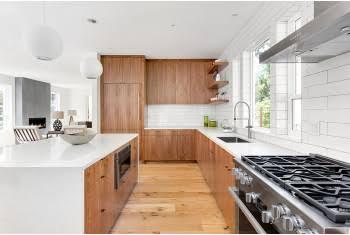
Creating your own kitchen cabinets can be a rewarding way to improve your home, organize everyday essentials, and build a kitchen that matches your personal style. However, a successful project requires more than choosing attractive cabinet doors and shelves. Careful measurements, suitable materials, and proper installation all play important roles. Before starting a do it yourself kitchen cabinet project, it helps to understand the common mistakes that can increase costs, waste materials, or create problems later. With the right preparation, you can make better decisions and achieve a practical, long-lasting result.
1. Starting Without a Clear Kitchen Plan
One of the most common mistakes is beginning construction before deciding how the kitchen should function. Cabinets need to fit the room, accommodate appliances, and provide enough storage for everyday items.
Start by reviewing your current kitchen. Identify which areas work well and which ones need improvement. You may need additional drawers for cooking utensils, taller cabinets for pantry supplies, or more accessible storage near the dishwasher.
Create a simple layout showing the position of the sink, refrigerator, stove, windows, and doors. These features affect cabinet placement and available space. Planning them in advance reduces the risk of building cabinets that interfere with appliance doors or restrict movement.
Think About Daily Activities
Consider how you prepare meals, clean dishes, and store groceries. Frequently used items should be easy to reach, while seasonal equipment can go in higher or less accessible cabinets. A practical layout makes the kitchen easier to use without requiring unnecessary construction.
2. Taking Inaccurate Measurements
Incorrect measurements can cause expensive problems during cabinet installation. Even a small error may result in uneven gaps, cabinets that do not fit between walls, or appliances that cannot slide into position.
Measure the kitchen carefully before purchasing materials or cutting panels. Record the width and height of each wall, ceiling height, and the location of windows, doors, electrical outlets, and plumbing connections.
Measure each wall at more than one height because walls and floors are not always perfectly straight. Check corners and note any obstacles, such as pipes or heating vents.
Double-Check Every Dimension
Keep measurements in a written plan and label each cabinet section. Before cutting a large panel, verify its dimensions against the layout.
It is also useful to confirm appliance specifications directly from the manufacturer's documentation. Dishwashers, refrigerators, ovens, and cooktops have particular installation requirements that influence surrounding cabinet dimensions.
3. Choosing Materials Based Only on Price
Low-cost materials may appear attractive when working with a limited budget, but the cheapest option is not always the best value. Kitchen cabinets experience frequent opening, temperature changes, moisture, and occasional spills.
Plywood, medium-density fiberboard (MDF), particleboard, and solid wood each have different strengths and limitations. The right choice depends on the cabinet location, finish, construction method, and available budget.
For example, plywood can provide a strong cabinet box when properly constructed. MDF is often useful for painted doors because it offers a smooth surface. Solid wood can create an attractive natural appearance, although it may expand or contract with changes in humidity.
Match Materials to Their Purpose
Choose materials according to how each component will be used. Cabinet boxes, doors, drawer fronts, and shelves do not necessarily need to use the same material.
Areas near sinks deserve particular attention because leaks and splashes can damage unsuitable products. Use appropriate moisture-resistant materials where needed, seal exposed edges, and repair leaks promptly.
4. Ignoring Storage Needs
Beautiful cabinets are less useful when they fail to accommodate everyday kitchen items. Another common mistake is copying a design without considering the household's actual storage requirements.
Before finalizing the layout, estimate how much space you need for plates, glasses, cookware, food containers, cleaning products, and pantry supplies. Think about the size and weight of the items that will be stored.
Drawers can make utensils and cookware easier to access, while adjustable shelves allow cabinets to accommodate different products. Pull-out organizers may help make deep cabinets more convenient, particularly when items tend to disappear at the back.
Make Better Use of Vertical Space
Tall cabinets can provide additional storage when ceiling height allows. However, frequently used items should remain within comfortable reach.
Use dividers for baking trays, designated spaces for lids, and shelf arrangements that reduce wasted room. These small decisions can make a noticeable difference in a kitchen's daily functionality.
5. Forgetting About Hardware Quality
Cabinet hardware may seem like a minor detail, but hinges, drawer slides, handles, and mounting screws affect how well the finished cabinets perform.
Poor-quality hardware can create sagging doors, drawers that stick, or handles that loosen after regular use. Selecting suitable hardware at the planning stage also helps ensure that doors and drawers operate correctly within the available space.
Choose hinges that match the cabinet door design and drawer slides rated for the expected load. Soft-close features may improve convenience, but they should fit the project's budget and requirements.
Before installing every component, test a sample hinge or drawer slide if possible. Confirm that the hardware works smoothly and that the installation instructions are clear.
6. Rushing the Installation Process
Even well-designed cabinets can look uneven when installation is rushed. Uneven floors, out-of-square corners, and poorly aligned cabinet boxes can make doors difficult to adjust and countertops harder to install.
Begin by identifying the highest point of the floor and establishing a level reference line. Install cabinets according to the manufacturer's instructions, checking alignment and level as you work.
Secure cabinets to suitable structural support using the correct fasteners. Do not assume that ordinary drywall alone can safely support heavy wall cabinets. If you are unsure about wall construction or load requirements, consult a qualified professional.
Check Alignment Before Moving Forward
After positioning each cabinet, verify that it is level, plumb, and aligned with neighboring units. Use appropriate clamps and temporary supports when necessary, and follow safe lifting practices for heavy components.
Make adjustments before permanently securing the next section. Correcting a small alignment problem early is usually easier than fixing an entire row of cabinets later.
7. Neglecting Finishing and Protection
Finishing work influences both appearance and durability. Unfinished edges, poorly applied paint, and inadequate sealing can make homemade cabinets look incomplete and leave surfaces more vulnerable to moisture and wear.
Prepare surfaces according to the material and finish manufacturer's instructions. Remove dust, sand where appropriate, and apply a compatible primer before painting when required.
Allow each coat to dry or cure for the recommended time. Rushing the process can lead to marks, uneven coverage, or surfaces that remain vulnerable to damage.
Pay attention to exposed edges and areas near sinks. Use suitable finishes and sealants for the intended application, and avoid trapping moisture behind cabinet components.
8. Underestimating the Budget and Timeline
A cabinet project can cost more than expected when the original budget covers only the main materials. Hardware, tools, finishing products, delivery fees, replacement pieces, and installation supplies can add up quickly.
Create a detailed list of required items before shopping. Separate essential expenses from optional upgrades, such as decorative lighting, premium handles, or specialized organizers.
Include a reasonable contingency for unexpected expenses. If a panel is cut incorrectly or a measurement changes, having some flexibility can prevent the project from coming to a complete stop.
The timeline also deserves careful consideration. Measuring, sourcing materials, cutting, assembly, finishing, and installation all require time. Some finishes need extended drying or curing periods, and custom materials may take longer to arrive.
9. Skipping Routine Maintenance
Cabinets need occasional care to remain functional and attractive. Dust, grease, spills, and moisture can gradually affect surfaces, while loose hinges or drawer slides can become more troublesome if ignored.
Clean cabinet surfaces with products suitable for their finish. Avoid excessive water and harsh cleaners unless the manufacturer confirms they are appropriate.
Inspect hinges, handles, and drawer slides periodically. Tighten loose hardware when necessary and address plumbing leaks quickly. For painted or wooden cabinets, follow the recommended care instructions to preserve the finish.
Conclusion
Building or upgrading kitchen cabinets can improve storage, appearance, and everyday convenience, but careful planning makes the difference between a frustrating project and a successful one. Avoid common mistakes by preparing a detailed layout, measuring accurately, choosing suitable materials, and selecting hardware that meets your needs.
Take time to plan the storage arrangement, follow safe installation practices, and allow finishes to cure properly. Keep the budget realistic and remember that small details, such as aligned doors and protected edges, contribute to the overall quality.
With patience and attention to detail, DIY kitchen cabinets can become a practical improvement that supports your household's needs for years to come.

 English
 Arabic
 French
 Spanish
 Portuguese
 Deutsch
 Turkish
 Dutch
 Italiano
 Russian
 Romaian
 Greek