


Importance of Orthopedic Instruments in Modern Surgery
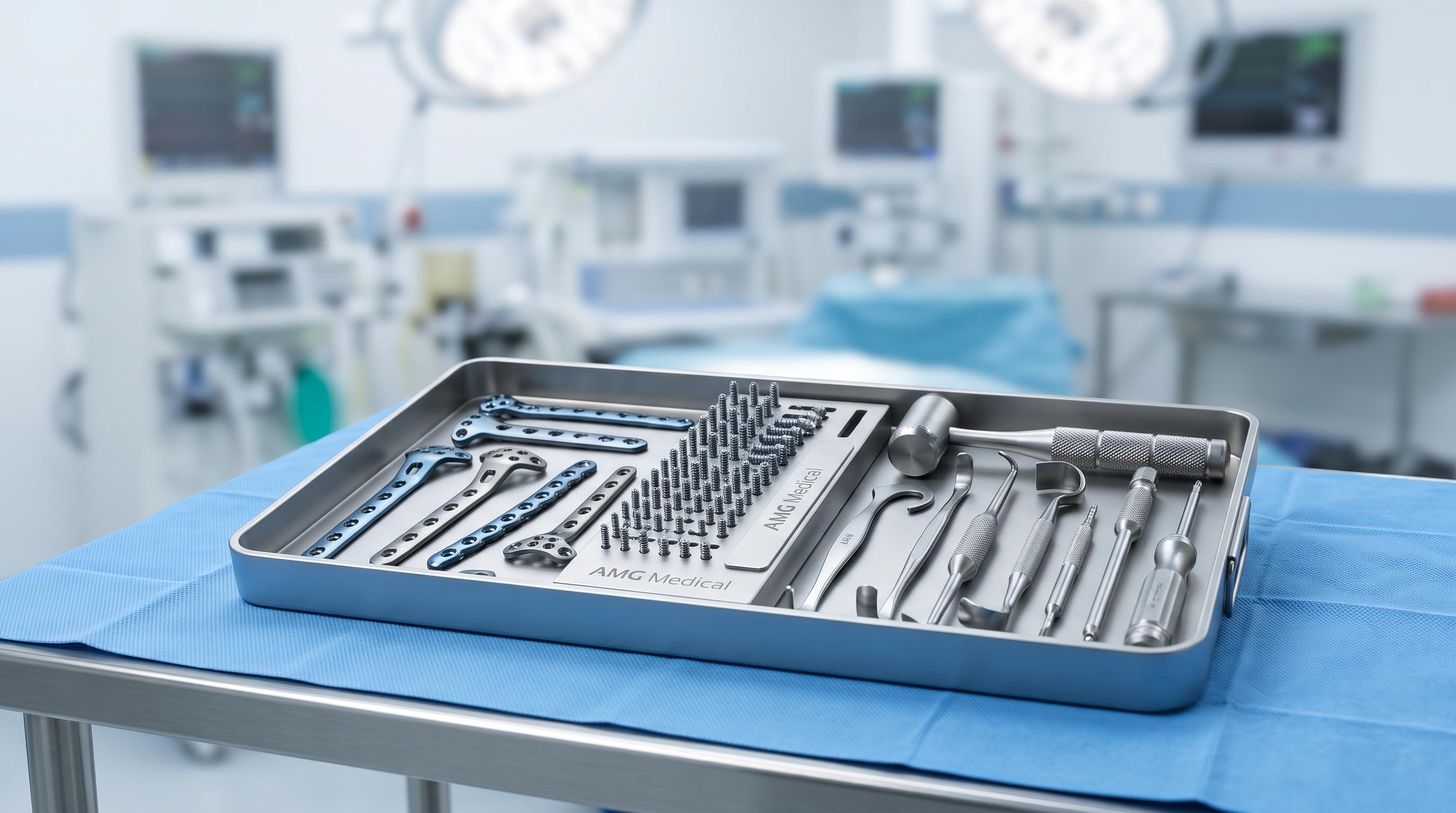
Orthopedic instruments are essential tools in modern healthcare. They help surgeons treat injuries and conditions that affect bones, joints, muscles, and other parts of the body that support movement. These tools are used in procedures such as fracture repair, joint replacement, and the treatment of bone damage caused by accidents or disease.
The quality and condition of these instruments can affect how smoothly a surgical team performs its work. Suitable tools help surgeons handle bones and tissues with control and carry out different steps of an operation. Like other surgical instruments, orthopedic tools must be selected carefully, cleaned properly, and maintained according to approved procedures.
Healthcare facilities also need reliable sources for their medical tools. A trusted surgical instrument manufacturer can provide information about instrument design, materials, quality checks, and care instructions. Choosing suitable instruments and looking after them properly helps hospitals support safe and organized surgical care.
Understanding Orthopedic Instruments
Orthopedic instruments are medical tools designed for procedures involving bones and joints. They help surgeons cut or shape bone, hold broken bones in position, prepare areas for implants, and reach the part of the body being treated.
Different procedures require different instruments. A fracture repair may need bone holding forceps, drills, and tools for placing plates or screws. A joint replacement may require specialized cutting tools, measuring devices, and instruments for preparing the bone.
These tools are available in different sizes and designs to suit specific medical tasks. Their selection depends on the procedure, the patient's needs, and the surgeon's plan. Using the correct tool helps the surgical team carry out each step in a controlled way.
Supporting Accurate Surgical Procedures
One of the main reasons orthopedic instruments are important is that they support controlled work during surgery. Procedures involving bones often require careful positioning and preparation. Suitable instruments help surgeons complete these tasks according to the needs of the operation.
For example, bone holding forceps can help keep a fracture in position while the surgeon prepares to secure it. Measuring tools can help assess the size or position needed for certain implants. Specialized cutting tools allow surgeons to shape bone when required.
Accurate use of instruments is only one part of a successful procedure. The surgeon's skills, proper planning, the patient's condition, and the correct use of implants also matter. Well-designed tools help support the surgical process when used by trained professionals.
Helping Treat Bone Fractures
Bone fractures can happen because of falls, road accidents, sports injuries, or other causes. Some fractures need surgery to place the bone in a suitable position and hold it while healing takes place.
Orthopedic instruments help surgeons manage these procedures. Bone reduction forceps may be used to align bone parts, while drills and screwdrivers help prepare and place certain implants. Plates and screws may then be used to hold the bone in position when required.
The correct instruments depend on the location and type of fracture. Tools must be checked before use to confirm that they are clean, functional, and suitable for the procedure. Proper handling helps the surgical team carry out the planned steps with care.
Supporting Joint Replacement Surgery
Joint replacement is a procedure used to replace damaged parts of a joint with artificial components. It may be considered for some patients with severe joint damage or long-term pain.
These procedures require specialized orthopedic instruments to prepare the bone and help position the implant. Cutting tools, guides, measuring devices, and other instruments may be used depending on the joint and the surgical method.
Suitable tools help the surgeon follow the planned procedure and prepare the area for the implant. Instruments must be compatible with the procedure and used according to the manufacturer's instructions. Proper preparation and inspection are important before surgery begins.
Improving Surgical Team Efficiency
A well-organized set of orthopedic instruments can help the surgical team work more efficiently. When the required tools are available and arranged correctly, staff can find them when needed and prepare for each stage of the operation.
Hospitals often prepare instrument sets for specific procedures. A set may contain cutting tools, forceps, retractors, drills, and other items required for a planned operation. The contents depend on the type of surgery.
Checking the set before use helps staff confirm that the needed instruments are present and in good condition. Good organization can reduce confusion and support a smoother workflow in the operating room.
Supporting Patient Safety
Patient safety is a major reason to use suitable orthopedic instruments. Damaged, poorly cleaned, or incorrectly used tools can create risks during a procedure. Instruments that do not work as intended may also interrupt the surgical team's work.
Healthcare facilities should inspect tools before and after use. Signs of rust, cracks, loose parts, or poor function should be reported. Any instrument that may be unsafe should be removed from use until qualified staff have checked it.
Proper cleaning and sterilization are also essential. Reusable instruments must go through approved cleaning and sterilization processes before they are used again. Staff should follow hospital policies and the manufacturer's instructions to help protect patients.
The Role of Surgical Instruments in Orthopedic Care
Orthopedic tools are part of the wider group of surgical instruments used in modern medicine. Other instruments, such as scissors, clamps, forceps, and retractors, may also be needed during orthopedic procedures.
Each instrument has a specific role. Retractors help move tissue away from the surgical area, while forceps can help hold tissue or other materials. Clamps may be used for particular tasks depending on the procedure.
The surgical team selects tools according to the operation and the needs of the patient. Using the correct combination of instruments helps staff prepare for the procedure and carry out each step as planned.
Choosing a Reliable Surgical Instrument Manufacturer
Selecting a reliable surgical instrument manufacturer is important for hospitals, surgical centers, and medical suppliers. Buyers should consider the material, design, durability, intended use, and quality checks of each instrument.
A manufacturer should provide clear product information and instructions for cleaning, sterilization, handling, and maintenance. Buyers may also need to ask about warranty terms, repair services, and the availability of replacement parts.
Healthcare facilities should choose instruments that meet their needs and are suitable for their procedures. Price is one factor, but quality, service support, and long-term care requirements should also be considered. Reliable product information helps staff understand how to use and maintain their tools correctly.
Importance of Maintenance and Inspection
Regular maintenance helps keep orthopedic instruments in good working condition. Instruments should be cleaned, dried, inspected, and stored according to approved procedures. Moving parts may need special care based on the manufacturer's instructions.
Inspection can help identify wear or damage before an instrument is used again. Tools that no longer work correctly should be repaired or replaced as needed. Keeping records of checks and repairs helps healthcare facilities follow the condition of their equipment over time.
Proper maintenance may also extend the useful life of instruments and reduce the need for early replacement. It is an important part of responsible equipment management.
Conclusion
Orthopedic instruments play an important role in treating fractures, repairing bones, replacing damaged joints, and supporting other procedures involving the body's movement system. They help surgeons prepare bone, hold structures in position, and carry out planned surgical tasks.
Their value depends on correct selection, proper use, staff training, cleaning, sterilization, and regular inspection. As part of the wider range of surgical instruments, orthopedic tools must meet the needs of the procedure and remain in good working condition.
By choosing suitable equipment from a reliable surgical instrument manufacturer and following proper care procedures, healthcare facilities can support organized surgical work and help maintain a safe environment for patients.
More Info: Amg Medical

 Arabic
 French
 Spanish
 Portuguese
 Deutsch
 Turkish
 Dutch
 Italiano
 Russian
 Romaian
 Portuguese (Brazil)
 Greek