


Industrial Kitchen Equipment: Complete Buying Guide
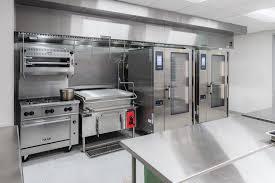
Choosing the right industrial kitchen equipment is essential for businesses that prepare food on a large scale. Restaurants, hotels, catering companies, hospitals, food processing facilities, and institutional kitchens depend on reliable equipment to handle daily workloads, maintain hygiene, and improve operational efficiency.
Unlike equipment designed for occasional household use, industrial kitchen systems are selected to support demanding working environments. They may include commercial cooking appliances, heavy-duty preparation tables, large-capacity refrigeration units, food processing machines, industrial dishwashers, and stainless steel storage systems.
Investing in suitable equipment can help businesses organise their kitchens, manage production requirements, and reduce avoidable interruptions. However, the best equipment depends on the kitchen's size, menu, production volume, available utilities, and budget.
This guide explains the main types of industrial kitchen equipment, their applications, important purchasing considerations, and maintenance practices that can support long-term performance.
What Is Industrial Kitchen Equipment?
Industrial kitchen equipment refers to heavy-duty appliances, machines, fixtures, and workstations used in professional kitchens and large-scale food production environments.
These products are designed for tasks such as cooking, preparing ingredients, storing food, washing utensils, and organising commercial workspaces. Their capacity and construction vary according to the intended application.
Common examples include:
-
Industrial cooking ranges and ovens
-
Commercial refrigerators and freezers
-
Stainless steel preparation tables
-
Food processing machines
-
Industrial mixers and blenders
-
Commercial dishwashing systems
-
Stainless steel sinks and workbenches
-
Storage racks and cabinets
-
Food warming and holding equipment
-
Heavy-duty food preparation machines
The equipment required by a small restaurant differs from that needed by a large institutional kitchen or food manufacturing facility. Therefore, businesses should assess their production requirements before purchasing individual products or complete kitchen systems.
Why Industrial Kitchen Equipment Is Important
Large-scale food preparation requires a combination of suitable machinery, organised workstations, and dependable storage systems. Choosing the right equipment can support smoother operations and help staff manage demanding workloads.
1. Supports High-Volume Food Preparation
Industrial kitchens often need to prepare large quantities of food within limited timeframes.
Commercial ovens, large-capacity mixers, food processors, and cooking ranges can help staff complete repetitive tasks more efficiently when the equipment is correctly matched to the workload.
Before selecting a product, consider its rated capacity, expected operating frequency, and suitability for your menu.
2. Improves Kitchen Workflow
A well-planned kitchen allows staff to move between preparation, cooking, storage, washing, and serving areas with fewer unnecessary steps.
Equipment should be arranged according to the order in which tasks are performed.
For example, placing preparation tables near suitable storage areas can reduce unnecessary movement, while locating washing equipment appropriately can help keep cleaning activities organised.
3. Supports Cleaning and Hygiene
Food businesses must maintain appropriate cleaning and sanitation procedures. Equipment with suitable surfaces, accessible components, and practical designs can make these tasks easier.
Stainless steel is commonly used for preparation tables, sinks, cabinets, and workbenches because appropriate grades provide corrosion resistance and cleanable surfaces.
However, equipment selection must be combined with proper cleaning, sanitation, and food handling practices.
4. Helps Manage Operating Costs
The right equipment can support efficient use of electricity, gas, water, ingredients, and staff time.
For example, appropriately sized refrigeration units and efficient cooking appliances may help businesses manage energy consumption.
Actual operating costs depend on equipment specifications, workload, maintenance, installation, and daily operating practices.
5. Provides Long-Term Business Value
Commercial kitchens often rely on equipment throughout the working day. Products that are properly specified, installed, and maintained may provide years of useful service.
When comparing options, consider the purchase price alongside maintenance requirements, spare parts availability, energy consumption, and warranty coverage.
Types of Industrial Kitchen Equipment
Industrial kitchens use a range of equipment to support different stages of food preparation and service.
Industrial Cooking Equipment
Cooking equipment is central to many commercial food operations. The correct selection depends on the menu, preparation techniques, production volume, and available utilities.
Common options include:
-
Commercial gas ranges
-
Electric cooking ranges
-
Industrial ovens
-
Commercial griddles
-
Deep fryers
-
Steam cooking equipment
-
Tilting cooking pans
-
Commercial food warming units
Large kitchens may require several types of cooking equipment to handle different menu items simultaneously.
Before purchasing, check cooking capacity, temperature controls, cleaning requirements, ventilation needs, and the suitability of the installation area.
Gas appliances should be installed and maintained by appropriately qualified professionals.
Industrial Refrigeration Equipment
Refrigeration equipment helps businesses store temperature-sensitive ingredients under suitable conditions.
Depending on the operation, industrial kitchens may require:
-
Large-capacity refrigerators
-
Commercial freezers
-
Walk-in cold rooms
-
Walk-in freezer rooms
-
Undercounter refrigeration units
-
Refrigerated preparation counters
-
Commercial ice machines
-
Display refrigeration units
The appropriate system depends on the quantity and type of ingredients being stored, required temperatures, available space, and expected frequency of access.
Businesses should also establish procedures for monitoring storage temperatures and maintaining refrigeration equipment.
Stainless Steel Preparation Equipment
Stainless steel furniture provides work surfaces and storage options for professional food preparation.
Common products include preparation tables, workbenches, sinks, wall shelves, cabinets, and mobile trolleys.
When choosing stainless steel equipment, consider:
-
Material grade
-
Sheet thickness
-
Construction quality
-
Load capacity
-
Surface finish
-
Ease of cleaning
-
Resistance to the substances encountered during use
The appropriate steel grade depends on the working environment. Equipment exposed to moisture, salt, acidic ingredients, and frequent cleaning may require greater corrosion resistance.
Industrial Food Processing Equipment
Food processing machines help businesses prepare ingredients in larger quantities and perform repetitive tasks.
Depending on the application, these machines may include:
-
Commercial food processors
-
Vegetable cutting machines
-
Industrial blenders
-
Meat mincers
-
Commercial slicers
-
Dough mixers
-
Planetary mixers
-
Industrial grinding equipment
Each machine should be selected according to the ingredients being processed, expected output, cleaning procedures, and required safety features.
Operators should receive appropriate training before using machinery, especially equipment containing moving blades or other hazardous components.
Industrial Dishwashing Equipment
Large kitchens may need to wash substantial quantities of plates, cookware, utensils, and food preparation tools.
Industrial and commercial dishwashing equipment can include:
-
Commercial dishwashers
-
Conveyor dishwashing systems
-
Pot and pan washers
-
Pre-rinse stations
-
Dishwashing sinks
-
Drainage tables
-
Dish racks and storage systems
The required capacity depends on the number of meals served, the types of utensils used, and the volume of washing during peak periods.
Water supply, drainage, temperature requirements, ventilation, and cleaning chemicals should all be considered during installation planning.
Industrial Food Storage Equipment
Storage equipment helps kitchens organise ingredients, utensils, packaging materials, and other supplies.
Typical options include heavy-duty shelving, stainless steel cabinets, ingredient storage containers, racks, and mobile trolleys.
Storage systems should provide adequate load capacity and allow staff to access frequently used supplies safely.
Food storage arrangements must also support applicable hygiene requirements and prevent contamination.
Commercial Ventilation and Exhaust Systems
Cooking operations can generate heat, steam, grease, and smoke. Suitable ventilation systems help manage these conditions and support a more comfortable working environment.
Depending on the kitchen, requirements may include extraction hoods, grease filters, exhaust fans, and appropriately designed ductwork.
Ventilation should be planned according to the cooking equipment, building layout, and applicable fire and building requirements.
Specialist assessment may be necessary to determine the correct system capacity and installation arrangements.
How to Choose the Right Industrial Kitchen Equipment
Selecting industrial equipment requires careful planning. A product that works well for one business may be unsuitable for another.
1. Assess Your Production Requirements
Begin by estimating the number of meals or products your kitchen prepares during normal and peak operating periods.
Consider the menu, batch sizes, preparation methods, staffing levels, and expected future growth.
This information helps determine the appropriate capacity of cooking appliances, refrigeration units, mixers, and other equipment.
2. Plan the Kitchen Layout
Measure the available space before purchasing equipment.
Account for doorways, walkways, storage areas, utility connections, ventilation, and access for cleaning and maintenance.
The layout should allow staff to move safely between preparation, cooking, washing, and storage zones.
Large equipment should not block exits or prevent access to essential building services.
3. Check Material Quality
For stainless steel tables, sinks, and cabinets, ask suppliers to confirm the steel grade and construction specifications.
Inspect the joints, welds, supports, edges, and surface finish.
For machinery and appliances, review the materials used in relevant food contact areas and confirm that the equipment is suitable for the intended application.
4. Compare Energy Efficiency
Industrial kitchen equipment can contribute significantly to a business's operating expenses.
When comparing products, review available energy consumption data and consider how often the equipment will operate.
A higher-capacity appliance is not automatically more efficient for every kitchen. Select equipment that matches your actual production needs.
5. Review Safety Requirements
Commercial kitchens may contain hot surfaces, moving machinery, electrical equipment, gas appliances, and wet floors.
Choose equipment with appropriate safety features and follow the manufacturer's installation and operating instructions.
Confirm that the product meets applicable local requirements and that any necessary electrical, gas, or ventilation work will be completed by qualified professionals.
6. Consider Maintenance and Spare Parts
Equipment may require regular cleaning, inspection, replacement parts, or specialist servicing.
Before purchasing, ask the supplier about maintenance schedules, technical support, spare parts availability, and repair arrangements.
These factors are particularly important for refrigeration systems, cooking appliances, and machines that are essential to daily production.
7. Compare Total Ownership Costs
The initial price is only one part of the investment.
Consider delivery, installation, utilities, cleaning supplies, maintenance, repairs, and expected operating expenses.
Comparing these costs can help you choose equipment that fits your budget over its useful life.
Industrial Kitchen Equipment for Different Industries
Different industries have different requirements for capacity, storage, food preparation, and cleaning.
Restaurants and Hotels
Restaurants and hotels may need commercial cooking ranges, ovens, refrigeration, preparation tables, dishwashing equipment, and storage systems.
The equipment combination depends on the menu, number of meals served, service style, and kitchen layout.
Hotels with multiple dining areas may require separate preparation stations for different food categories.
Catering Companies
Catering businesses often prepare food in batches and may need equipment that supports large production volumes.
Useful products can include large-capacity mixers, preparation tables, refrigeration units, food transport containers, and mobile trolleys.
Businesses that transport prepared food should also consider suitable temperature control and safe handling arrangements.
Hospitals and Healthcare Facilities
Healthcare kitchens must meet applicable food safety and operational requirements.
Equipment selection may include commercial cooking appliances, refrigeration, dishwashing systems, storage cabinets, and food distribution equipment.
The layout should support organised preparation, cleaning, storage, and meal distribution procedures.
Schools and Universities
Educational institutions may need equipment capable of preparing meals for large groups within scheduled service periods.
Durability, ease of cleaning, capacity, and straightforward operation are important considerations.
Equipment should be selected according to the number of meals served and the kitchen's available staff and space.
Bakeries and Food Production Facilities
Bakeries and food production businesses may require industrial mixers, ovens, preparation tables, ingredient storage, cooling equipment, and packaging workstations.
The right configuration depends on the product range, batch sizes, production schedule, and required handling procedures.
Food Processing Businesses
Food processing facilities may use specialised machinery for washing, cutting, mixing, cooking, cooling, or packaging ingredients.
Such operations should assess equipment capacity, cleaning access, process requirements, worker safety, and relevant industry regulations before purchasing.
New vs Used Industrial Kitchen Equipment
Businesses planning a kitchen upgrade may consider both new and used equipment.
Each option has advantages, and the right choice depends on the available budget, required performance, equipment condition, and expected operating workload.
| Factor | New Equipment | Used Equipment |
|---|---|---|
| Initial investment | Usually higher | May be lower |
| Condition | Unused when purchased | Depends on previous use |
| Warranty | May include manufacturer coverage | May have limited or no warranty |
| Maintenance history | No previous operating history | Should be reviewed where possible |
| Parts availability | Depends on the model and supplier | May be more difficult for older models |
| Technology | May include newer controls and features | May use older technology |
| Inspection | Specifications should be verified | Condition and operation should be assessed carefully |
Tips for Buying Used Equipment
If you are considering used equipment, inspect it before making a purchase.
Check the physical condition, controls, visible wiring, seals, hinges, supports, and other relevant components.
For refrigeration equipment, arrange a professional assessment of its operation and condition. For gas and electrical appliances, confirm that the equipment can be installed and used safely.
Ask about the age of the product, previous repairs, maintenance history, warranty, and replacement parts.
A low purchase price may not represent good value if the equipment requires substantial repairs.
Common Mistakes to Avoid When Purchasing Industrial Kitchen Equipment
Careful purchasing decisions can help businesses avoid unnecessary costs and operational problems.
Buying Equipment Without Planning
Purchasing appliances before designing the kitchen layout can create congestion and installation difficulties.
Better approach: Plan the kitchen zones, measure available space, and identify utility requirements before ordering equipment.
Choosing Equipment With Insufficient Capacity
An undersized appliance may struggle during busy periods and slow down production.
Better approach: Estimate peak workload and select equipment that matches the required output.
Overlooking Installation Requirements
Some appliances need dedicated electrical supplies, gas connections, water lines, drainage, or exhaust systems.
Better approach: Review installation requirements with the supplier and relevant professionals before purchasing.
Ignoring Cleaning Requirements
Equipment that is difficult to clean can complicate routine hygiene procedures.
Better approach: Choose designs with accessible surfaces and follow the manufacturer's cleaning instructions.
Focusing Only on Purchase Price
Low-cost equipment may have higher operating expenses, limited parts availability, or insufficient capacity.
Better approach: Compare specifications, warranty coverage, energy use, service availability, and expected maintenance costs.
Failing to Train Staff
Even suitable equipment can create problems if employees do not understand how to operate or clean it correctly.
Better approach: Arrange appropriate staff training and keep operating instructions accessible.
Maintenance Tips for Industrial Kitchen Equipment
Regular maintenance helps businesses keep equipment in suitable working condition and identify problems before they cause major interruptions.
Clean Equipment According to Instructions
Remove food residue, grease, and spills using appropriate cleaning products and methods.
Follow the manufacturer's instructions, especially for food contact surfaces and electrical appliances.
Inspect Equipment Regularly
Look for unusual noise, vibration, damaged components, loose supports, leaks, or changes in performance.
Report problems promptly and arrange professional repairs when necessary.
Maintain Refrigeration Systems
Monitor storage temperatures, keep doors and seals in good condition, and follow the recommended cleaning schedule.
Arrange professional servicing when the unit shows signs of poor cooling, excessive noise, or other abnormal behaviour.
Check Cooking Equipment
Clean cooking surfaces and remove grease according to the manufacturer's instructions.
Gas appliances, electrical components, and ventilation systems should be inspected and maintained by qualified professionals as required.
Maintain Food Processing Machinery
Clean and inspect machines according to their operating manuals. Disconnect and isolate equipment safely before performing permitted cleaning or maintenance tasks.
Do not bypass guards or operate machinery with damaged safety components.
Keep Maintenance Records
Record inspections, cleaning, repairs, and replacement parts.
These records can help identify recurring problems and support maintenance planning.
Frequently Asked Questions
1. What Is Industrial Kitchen Equipment?
Industrial kitchen equipment includes heavy-duty appliances, machines, workstations, storage systems, and fixtures used in professional kitchens and large-scale food preparation environments.
2. What Equipment Is Essential for an Industrial Kitchen?
Typical requirements include cooking appliances, refrigeration, preparation tables, sinks, storage systems, and cleaning equipment. Larger operations may also need food processing machinery, commercial dishwashers, and specialised ventilation systems.
3. Is Stainless Steel Suitable for Industrial Kitchens?
Yes. Suitable stainless steel grades are widely used for preparation tables, sinks, cabinets, and workbenches because they offer corrosion resistance and surfaces that can be cleaned effectively.
4. How Do I Choose the Right Industrial Kitchen Equipment?
Assess production volume, kitchen dimensions, menu requirements, material quality, energy consumption, safety features, maintenance needs, and available budget before purchasing.
5. Is Used Industrial Kitchen Equipment Worth Buying?
Used equipment may reduce initial costs, but its condition, repair history, parts availability, safety, and remaining useful life should be evaluated carefully.
6. Why Is Kitchen Layout Important?
A practical layout helps staff move between workstations, use available space efficiently, and organise preparation, cooking, washing, and storage activities.
7. How Can I Reduce Industrial Kitchen Operating Costs?
Choose equipment suited to your workload, compare energy specifications, maintain appliances properly, train staff, and monitor operating expenses.
8. How Often Should Industrial Kitchen Equipment Be Serviced?
The appropriate interval depends on the equipment type, usage, operating environment, and manufacturer's instructions. Follow the recommended maintenance schedule and arrange inspections when performance changes.
9. Does Industrial Kitchen Equipment Require Professional Installation?
Some equipment can be positioned and assembled with basic assistance, while other products require specialist installation involving electrical systems, gas, refrigeration, ventilation, or plumbing. Follow the manufacturer's instructions and applicable safety requirements.
10. What Should I Ask an Industrial Kitchen Equipment Supplier?
Ask about product specifications, capacity, material grade, installation requirements, warranty coverage, delivery, maintenance, replacement parts, and after-sales support.
Conclusion
Selecting the right industrial kitchen equipment is an important investment for restaurants, hotels, catering companies, institutional kitchens, bakeries, and food production businesses.
From cooking appliances and refrigeration systems to stainless steel workstations, food processing machinery, and storage equipment, every purchase should support the kitchen's operational requirements.
Before making a decision, assess your production volume, measure your available space, verify equipment specifications, and compare the full cost of ownership. It is also important to consider installation, staff training, maintenance, and after-sales support.
With careful planning and appropriate equipment, businesses can develop more organised kitchen operations, support consistent food preparation, and make better use of their available resources.

 English
 Arabic
 French
 Spanish
 Deutsch
 Turkish
 Dutch
 Italiano
 Russian
 Romaian
 Portuguese (Brazil)
 Greek