


What Makes Ginger, Turmeric, and Sea Salt a Useful Combination
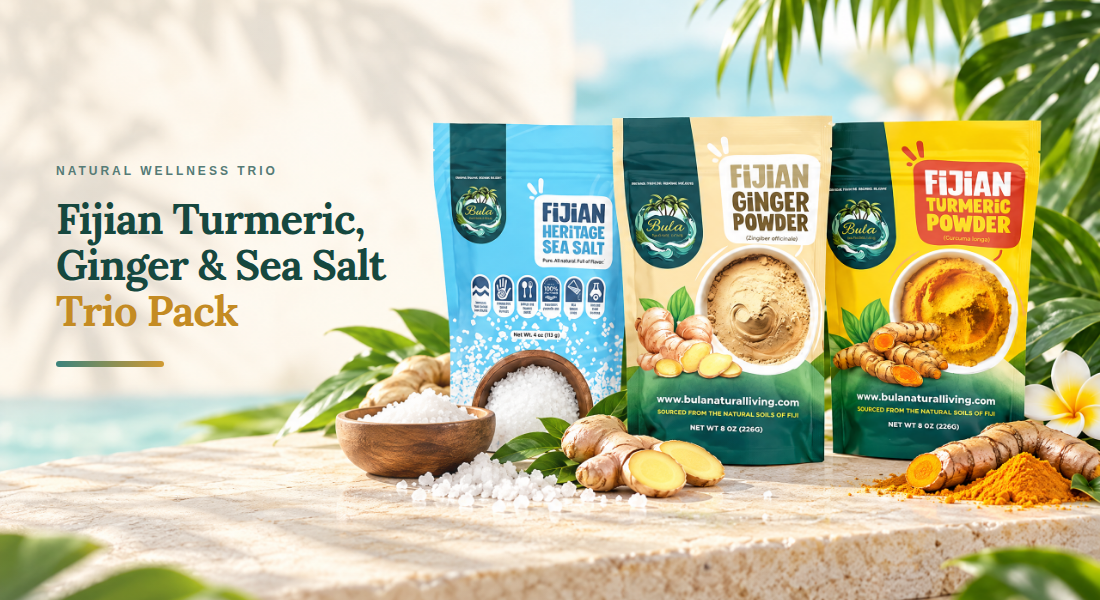
Everyday kitchen ingredients can serve different purposes, from adding flavor to meals to helping people build cooking routines that suit their preferences. Ginger, turmeric, and sea salt are three familiar ingredients used in many cuisines around the world. When offered together as an organic wellness trio, they provide a convenient way to keep these pantry staples available for different recipes.
Although each ingredient has its own characteristics, combining them makes it easier to use complementary flavors in everyday cooking. Understanding their individual qualities can help you decide how to incorporate them into meals without relying on complicated recipes or changing your entire diet.
Understanding the Three Ingredients
Ginger, turmeric, and sea salt each bring something different to the kitchen. Ginger has a warm, slightly sharp flavor, turmeric contributes an earthy taste and golden color, and sea salt enhances the flavors of other ingredients.
These ingredients are used in a variety of cuisines, from South Asian curries to soups, marinades, vegetable dishes, and homemade spice blends. Their versatility makes them useful pantry options for people who enjoy preparing meals at home.
An organic wellness trio brings these ingredients together in one bundle, making them easier to keep on hand. Bula Natural Living's Best Seller Wellness Trio includes Fijian Ginger Powder, Fijian Turmeric Powder, and Fijian Heritage Sea Salt.
Why Ginger Powder Is Useful in Everyday Cooking
Ginger is widely used in both sweet and savory recipes. Fresh ginger is common in many kitchens, but powdered ginger offers a convenient alternative when peeling and grating fresh root is not practical.
Adding Warmth to Savory Dishes
Ginger powder works well in soups, sauces, marinades, and vegetable dishes. A small amount can add warmth to lentils, roasted vegetables, and rice-based meals. It also pairs well with garlic, cumin, coriander, and other familiar seasonings.
Because powdered ginger has a concentrated flavor, it is best to begin with a small amount and adjust according to the recipe. This helps maintain a balanced taste without allowing the ginger to overpower the other ingredients.
Using Ginger in Drinks and Baking
Ginger powder can also be used in warm beverages, homemade spice blends, and baked goods. It adds a distinctive flavor to gingerbread, muffins, and certain cookies.
For drinks, it can be combined with ingredients such as lemon or honey according to personal preference. The amount used should reflect the recipe and the strength of the ginger powder.
The Role of Turmeric Powder
Turmeric is known for its bright golden color and earthy flavor. It is a common ingredient in South Asian cooking and appears in many spice blends, soups, rice dishes, and vegetable recipes.
Bringing Color to Meals
One of turmeric's most noticeable qualities is its ability to give foods a yellow or golden appearance. It can be added to rice, lentils, curries, and sauces to create a rich color alongside its distinctive flavor.
Turmeric pairs well with ginger, garlic, black pepper, cumin, and coriander. These combinations allow cooks to create different flavor profiles using a relatively small collection of pantry ingredients.
Adding Turmeric to Everyday Recipes
Turmeric powder can be stirred into soups, stews, marinades, and cooked vegetables. It can also be used in homemade seasoning blends for potatoes, chickpeas, or roasted cauliflower.
Turmeric contains naturally occurring compounds called curcuminoids, including curcumin. Although these compounds have been studied for various biological properties, using turmeric in food should not be treated as a substitute for medical care or as a guarantee of specific health benefits.
How Sea Salt Complements Ginger and Turmeric
Sea salt is produced by evaporating seawater. Depending on its source and processing, it may differ in crystal size, texture, color, and mineral composition.
Its main culinary role is to season food. Salt can bring out the flavors of vegetables, grains, legumes, and other ingredients, helping a dish taste more balanced.
Enhancing Flavor Without Complicating Recipes
Ginger and turmeric contribute distinctive flavors, while sea salt helps bring those flavors together. A small amount of salt can make a vegetable soup or spice blend taste more complete.
Sea salt can also be used in marinades, salad dressings, roasted vegetables, and homemade seasoning mixes. The amount needed depends on the recipe and whether other ingredients, such as sauces or packaged seasonings, already contain sodium.
Understanding Sodium Intake
Sea salt is still primarily sodium chloride. It should not automatically be considered healthier than other types of salt simply because of its source.
Using salt in moderation is important, especially for people who need to manage their sodium intake. Anyone following medical advice about salt consumption should follow that guidance when using sea salt in everyday meals.
Why These Ingredients Work Well Together
Ginger, turmeric, and sea salt have different roles in cooking, which makes them complementary rather than interchangeable. Ginger adds warmth, turmeric contributes earthiness and color, and salt enhances the overall flavor of a dish.
Together, they can form a simple base for seasoning vegetables, lentils, soups, and other meals. They can also be combined with additional ingredients, such as garlic, lemon, or cumin, depending on the recipe.
Creating a Simple Seasoning Blend
For a homemade blend, combine small amounts of ginger powder and turmeric powder, then add sea salt according to the recipe and dietary needs. Store the mixture in a clean, dry, airtight container and label it clearly.
The proportions can be adjusted to suit different foods. A blend intended for roasted vegetables may use a different balance from one prepared for soup or a marinade.
Keeping Meal Preparation Convenient
Having these ingredients together can reduce the need to search through multiple cupboards while cooking. It can also make meal planning easier because the same pantry staples can be used across several recipes.
However, the ingredients do not need to be used together every time. Each can be added separately when its flavor is more suitable for a particular dish.
How to Store Ginger Powder, Turmeric Powder, and Sea Salt
Proper storage helps preserve the flavor and quality of pantry ingredients.
Keep ginger and turmeric powders in tightly sealed containers in a cool, dry place away from direct sunlight, heat, and moisture. Always use a dry spoon when measuring powders, as moisture can cause clumping and affect storage quality.
Sea salt should also be kept in a clean, dry, covered container. Although salt is generally stable when stored properly, exposure to moisture can cause it to clump.
Check product packaging for any specific storage instructions and use clean utensils when handling the ingredients. These straightforward habits help keep pantry staples ready for regular cooking.
For people who prefer keeping complementary ingredients together, the Bula Natural Living provides information about its pantry and wellness products, including the Best Seller Wellness Trio. Reviewing the product details can help consumers understand what is included in the bundle.
Final Thoughts
Ginger, turmeric, and sea salt each offer a distinct contribution to everyday cooking. Ginger adds warmth, turmeric provides earthy flavor and golden color, and sea salt helps enhance the taste of other ingredients. Their different qualities make them useful pantry staples for a variety of meals.
An organic wellness trio can make these ingredients convenient to keep together, but their main role in cooking remains practical: helping people prepare flavorful food with familiar ingredients. Using them thoughtfully, storing them properly, and keeping salt intake appropriate can make them useful additions to an everyday kitchen routine.
Frequently Asked Questions
1. What is included in an organic wellness trio?
The Bula Natural Living Best Seller Wellness Trio includes Fijian Ginger Powder, Fijian Turmeric Powder, and Fijian Heritage Sea Salt, according to the product listing.
2. Can ginger and turmeric powder be used in the same recipe?
Yes. They are commonly combined in soups, curries, rice dishes, marinades, and vegetable recipes. The amounts can be adjusted to suit the dish.
3. What does sea salt contribute to this combination?
Sea salt enhances flavor and helps balance the taste of other ingredients. It should still be used in moderation because it contains sodium.
4. How should these pantry ingredients be stored?
Keep the powders and sea salt in clean, tightly sealed containers in a cool, dry place. Protect them from moisture and follow the storage instructions on the packaging.
5. Does combining ginger, turmeric, and sea salt guarantee health benefits?
No. These ingredients have different culinary and traditional uses, but combining them does not guarantee a particular health outcome. They are best considered as part of a varied diet and balanced lifestyle.

 English
 Arabic
 French
 Spanish
 Portuguese
 Deutsch
 Turkish
 Dutch
 Italiano
 Russian
 Romaian
 Portuguese (Brazil)