


Why Plant Spacing Matters in a 30 Ft Geodesic Dome
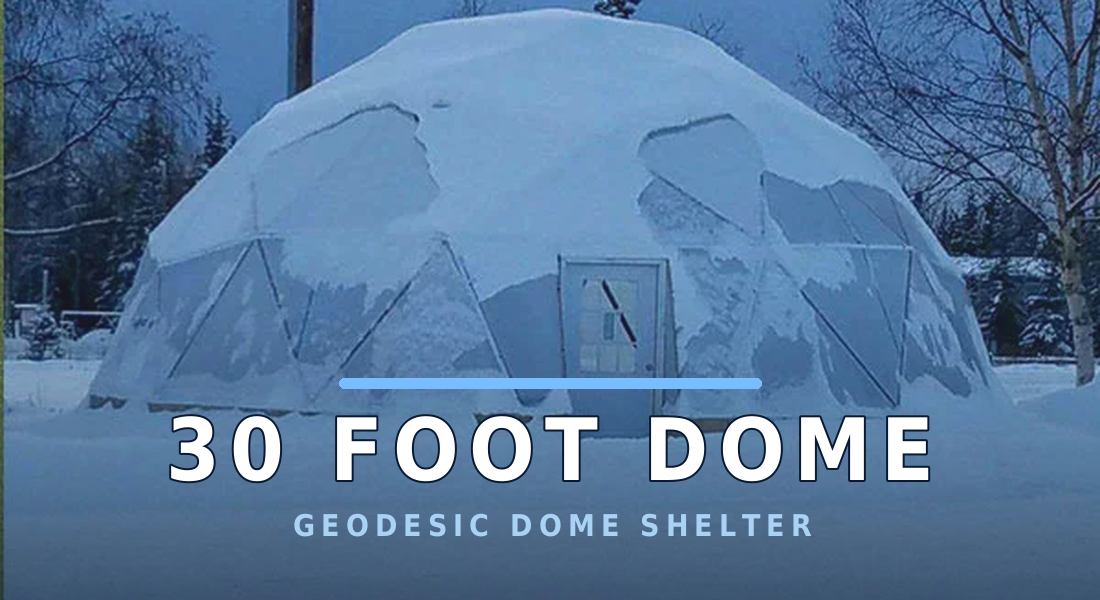
Growing healthy crops requires more than choosing suitable seeds and providing enough water. Proper plant spacing also plays an important role in how plants develop, access sunlight, and compete for resources. In a 30 Ft Geodesic Dome, thoughtful spacing can help gardeners use the available growing area efficiently while maintaining airflow and making routine plant care easier.
1. Give Roots Enough Room to Develop
Plants need sufficient space below the soil surface to develop strong root systems. When crops grow too close together, their roots may compete for water, nutrients, and room to expand. This competition can affect growth, particularly when plants are grown in limited beds or containers.
Before planting, consider the mature size and root depth of each crop. Leafy vegetables may need less space than larger fruiting plants, while crops such as tomatoes can develop extensive root systems as they mature.
Avoid placing seedlings according to their initial size alone. A small plant may eventually require a much larger growing area. Following the spacing recommendations for each variety helps prevent overcrowding and supports more consistent development.
2. Improve Access to Sunlight
Sunlight is essential for photosynthesis, the process plants use to produce energy for growth. When plants are positioned too closely, larger leaves can shade neighboring crops and reduce their access to light.
Arrange plants according to their expected height and sunlight requirements. Taller crops can often be positioned where they will not unnecessarily shade smaller plants. However, the best arrangement also depends on the greenhouse's orientation, surrounding obstructions, and seasonal light patterns.
Observe how sunlight moves through the dome during the day. Adjust container positions or planting arrangements when necessary to improve light distribution.
Suitable spacing allows leaves to receive more consistent exposure and helps reduce competition between neighboring plants.
3. Maintain Better Air Circulation
Air movement is important for managing humidity around leaves and stems. Dense planting can restrict airflow, allowing moisture to remain on plant surfaces for longer periods and potentially creating conditions favorable to certain diseases.
Leave enough room between mature plants for air to circulate. Consider the width of the canopy rather than measuring only the distance between stems. Crops with broad leaves or spreading vines may need more space than compact varieties.
In a 30 Ft Geodesic Dome, thoughtful plant placement should work alongside appropriate ventilation. Openings, fans where suitable, and sensible watering practices can help maintain a healthier growing environment.
Good airflow also makes it easier to inspect plants for pests, remove damaged leaves, and carry out routine maintenance.
4. Reduce Competition for Water and Nutrients
Plants growing close together may use available moisture and nutrients more quickly than expected. This can make watering and fertilization more difficult to manage, especially when crops have different requirements.
Group plants with similar water and nutrient needs where practical. This makes it easier to develop an appropriate care routine without applying the same treatment to every crop.
Spacing should also reflect soil conditions and the size of the growing area. In containers, make sure each plant has enough growing medium for its expected root development. In garden beds, avoid placing too many plants in a limited space simply to increase the number of crops.
Regularly monitor soil moisture and plant growth. If crops show signs of stress, check for several possible causes rather than assuming spacing is the only problem.
5. Plan Spacing Around Different Crop Types
Not every plant requires the same amount of room. Compact herbs, leafy vegetables, climbing crops, and large fruiting plants have different growth habits.
For example, lettuce and spinach can often be planted more closely than mature tomato plants. Bush varieties may spread across a bed, while climbing vegetables can grow vertically when provided with suitable support.
Read seed packets or growing instructions for the recommended spacing between plants and rows. Account for the specific variety because compact and vigorous varieties of the same crop may have different requirements.
A useful approach is to divide the growing area into sections based on crop size and growth habits. This makes it easier to provide appropriate spacing without wasting valuable greenhouse space.
6. Use Vertical Growing Methods Carefully
Vertical gardening can increase growing capacity while keeping pathways and floor areas more accessible. Trellises and other supports are useful for crops such as climbing beans and cucumbers, provided the structure is suitable for the plants being grown.
However, vertical growth does not eliminate the need for spacing. Climbing plants still require room for their roots, leaves, and developing fruit. Their foliage can also shade nearby crops if vines become too dense.
Position supports where they will not obstruct movement or block essential sunlight. Train vines regularly and remove unhealthy growth when appropriate.
Plan the mature height of climbing crops before installation. This helps maintain a balanced arrangement and makes harvesting easier throughout the growing season.
7. Make Plant Care and Harvesting Easier
Adequate spacing creates practical access for watering, pruning, checking for pests, and harvesting vegetables. When plants are crowded together, it can be difficult to reach inner leaves or inspect the stems near the soil.
Leave suitable pathways between growing areas and position frequently harvested crops where they are easy to reach. Avoid allowing mature foliage to spread into walkways or cover neighboring containers.
Spacing also makes it easier to identify early signs of disease or nutrient problems. Gardeners can inspect individual plants without disturbing the surrounding crops.
A well-organized layout saves time during routine care and reduces accidental damage to leaves, stems, and developing fruit.
8. Adjust Spacing as Plants Mature
Plant spacing is not always a one-time decision. Some crops grow much faster than others, and their final size may differ from initial expectations.
Monitor the greenhouse regularly as plants develop. If foliage begins overlapping excessively or airflow becomes restricted, consider pruning where appropriate, training vines, or moving suitable containers.
For crops that are normally grown from seedlings, follow recommended thinning practices when several seedlings emerge too close together. Removing excess seedlings can allow the remaining plants to develop more effectively.
Seasonal changes also influence growth rates and the amount of available light. Review the arrangement when starting a new growing cycle, and use observations from previous plantings to improve future layouts.
A well-planned Dome Greenhouses growing space can make it easier to organize crops according to their mature size and growing requirements. Combining appropriate plant spacing with suitable light, airflow, and watering practices supports a more manageable greenhouse garden.
Final Thoughts
Plant spacing affects root development, sunlight access, airflow, water use, and everyday maintenance. In a 30 Ft Geodesic Dome, planning around the mature size and needs of each crop helps gardeners make better use of the available space without overcrowding plants. By following variety-specific spacing recommendations and adjusting the layout as crops grow, gardeners can maintain a more organized and productive growing environment.
Frequently Asked Questions
1. Why is plant spacing important in a geodesic dome greenhouse?
Proper spacing helps reduce competition for light, water, nutrients, and root space. It also improves access for watering, pruning, and harvesting.
2. How do I determine the correct distance between plants?
Check the seed packet or growing instructions for the specific variety. Consider the plant's mature width, root development, and growth habit when planning the layout.
3. Can I grow more plants by reducing spacing?
Planting more closely does not always increase productivity. Excessive crowding can limit growth and airflow, so follow suitable spacing guidance for each crop.
4. Does vertical gardening remove the need for plant spacing?
No. Trellises can save floor space, but climbing crops still need room for their roots, foliage, and fruit. Their height and canopy should also be considered when positioning nearby plants.
5. Should plant spacing change during the growing season?
The original spacing should account for mature plant size. As crops develop, you may need to train vines, prune where appropriate, or move containers to maintain airflow and access.

 English
 Arabic
 French
 Spanish
 Portuguese
 Deutsch
 Turkish
 Dutch
 Italiano
 Russian
 Romaian
 Portuguese (Brazil)