


How to Choose the Right Soil Mix for a 12 Ft Geodesic Dome
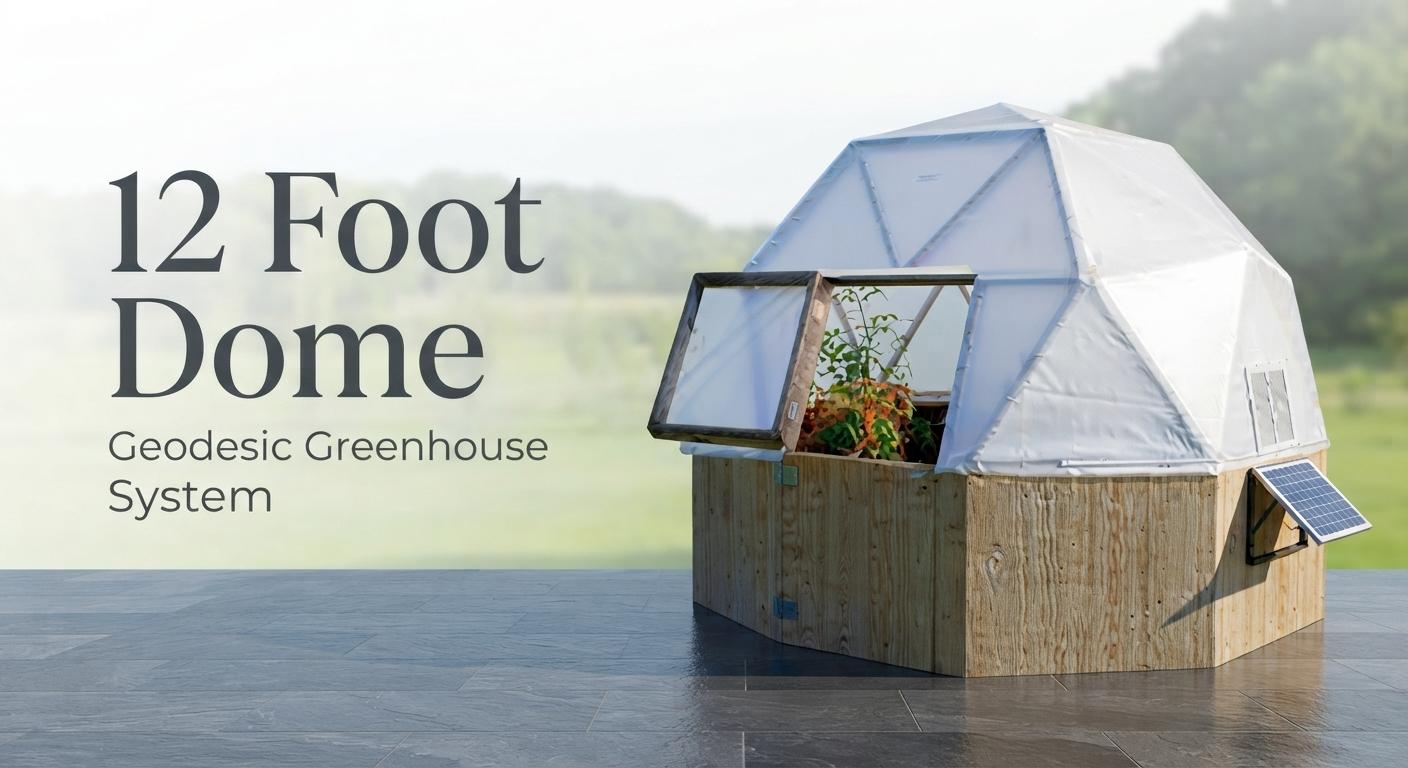
Choosing a suitable growing medium is an important part of maintaining healthy plants in a compact greenhouse. In a 12 Ft Geodesic Dome, the right soil mix helps roots receive adequate moisture, oxygen, and nutrients without making the growing area difficult to manage. Since different plants have different requirements, selecting a mix based on crop type, watering habits, and growing conditions can support stronger root development and more consistent growth.
1. Understand the Difference Between Garden Soil and Potting Mix
Garden soil taken directly from the ground may contain useful minerals and organic matter, but it can become dense when placed in containers or raised growing beds. Poor structure can restrict airflow and slow drainage, particularly when the soil is repeatedly watered.
A potting mix is generally designed to remain lighter and more porous. It may contain materials such as coco coir, composted bark, perlite, or other components that support root growth.
Before selecting a medium, consider how plants will be grown inside the dome. Containers, raised beds, and in-ground planting areas may require different approaches. A suitable mix should match the growing system rather than being chosen solely by its label.
2. Prioritize Drainage and Airflow
Roots need both water and oxygen to function properly. A growing medium that stays saturated for too long can deprive roots of oxygen, while a mix that drains excessively quickly may require frequent watering.
Look for a mix that allows extra water to escape while retaining enough moisture for plant use. Components such as perlite or suitable coarse materials can improve air space in some container mixes.
Check the growing medium after watering. If water pools on the surface or drains extremely slowly, the mix may be too dense. If it dries out rapidly, its water-holding capacity may need improvement.
Adjustments should depend on the plant species and the type of growing container being used.
3. Select Organic Matter According to Crop Needs
Organic materials can contribute nutrients and improve the physical structure of a growing medium. Mature compost is commonly used in vegetable gardening because it adds organic matter and may supply nutrients.
However, compost quality varies according to its ingredients and preparation. Use material that is mature and suitable for growing food crops, and avoid adding large amounts without considering existing nutrient levels.
Coco coir can help retain moisture, while composted bark may contribute structure and air space in some mixes. The most suitable combination depends on the plants being grown and how frequently the growing medium can be monitored.
For crops with different moisture requirements, separate containers or planting zones can make it easier to manage the growing medium appropriately.
4. Check Soil pH Before Planting
Soil pH influences how readily plants can absorb essential nutrients. A mix with an unsuitable pH may cause nutrient availability problems even when fertilizer is present.
Many common vegetables grow well in slightly acidic to near-neutral conditions, but the ideal range varies by crop. Check the recommendations for the plants you intend to grow before adjusting the mix.
A soil or growing-medium test can help identify whether pH correction is necessary. Avoid adding lime, sulfur, or other pH-adjusting materials without a clear reason, because unnecessary adjustments may create new problems.
Testing is particularly useful when reusing growing media or combining compost with other ingredients.
5. Match the Mix to the Plants You Want to Grow
Different crops have different root structures, moisture needs, and nutrient requirements. Leafy greens and herbs often perform well in a moisture-retentive but well-draining medium. Fruiting crops such as tomatoes may benefit from a growing mix that supports larger root systems and consistent moisture availability.
Seedlings generally need a fine-textured medium that allows small roots to develop without becoming waterlogged. A dedicated seed-starting mix may be more suitable than a heavy mix intended for established plants.
In a 12 Ft Geodesic Dome, grouping plants with similar growing requirements can simplify watering and soil management. This approach also helps prevent one crop's needs from negatively affecting nearby plants.
6. Avoid Excessive Fertilizer in the Growing Mix
More fertilizer does not automatically produce healthier plants. Excessive nutrients or accumulated fertilizer salts can damage roots and interfere with water uptake.
Check whether the selected potting mix already contains fertilizer or compost. If it does, additional feeding may not be necessary immediately.
When extra nutrients are needed, use a suitable fertilizer according to the crop's growth stage and the manufacturer's directions. Watch for signs such as unusual leaf discoloration, poor growth, or leaf-edge damage, while remembering that these symptoms can have several causes.
A balanced feeding plan based on plant needs is more reliable than adding fertilizer at every watering.
7. Consider Watering Frequency and Temperature
The best soil mix also depends on the growing environment. Warm conditions can increase evaporation, while cool periods may slow plant growth and reduce water demand.
A mix that retains moisture can be useful during warmer weather, but it must still drain adequately. In cooler conditions, excessive moisture may remain around roots for longer than expected.
Monitor the medium at different depths instead of judging moisture only by the surface. Adjust watering according to temperature, sunlight, crop maturity, and the medium's condition.
If the upper layer dries quickly but the lower layer remains wet, review the mix structure and watering method before adding more water.
8. Store and Maintain Growing Materials Properly
Growing materials should be stored in a clean, dry location before use. Keep bags protected from contamination, excessive moisture, and pests.
Before reusing an existing mix, inspect it for compaction, unpleasant odors, salt buildup, and signs of disease. Old roots and plant debris should be removed where appropriate.
Reusing growing medium may be possible, but its suitability depends on the previous crop and any disease or pest problems. Refresh or replace it when its structure has deteriorated or when contamination presents a risk.
Keeping notes about the mix used for each crop, watering frequency, and plant performance can help improve future planting decisions.
Gardeners planning their growing space can review the available structures and greenhouse options from Dome Greenhouses when deciding how to organize their planting areas.
Final Thoughts
Choosing the right soil mix for a 12 Ft Geodesic Dome involves balancing drainage, airflow, moisture retention, and nutrient availability. The ideal combination depends on the crops, growing containers, and local conditions. By checking pH, using suitable organic materials, avoiding excessive fertilizer, and monitoring moisture regularly, gardeners can create a more supportive environment for healthy root development and steady plant growth.
Frequently Asked Questions
1. What is the best soil mix for a 12 Ft Geodesic Dome?
The best mix depends on the growing system and crop. A suitable medium should provide adequate drainage, airflow, moisture retention, and nutrients for the plants being grown.
2. Can regular garden soil be used in containers?
Garden soil may become compacted in containers and restrict airflow. A purpose-made potting mix is generally a more practical choice for container-grown plants.
3. Is compost enough to provide all plant nutrients?
Not always. Compost can contribute organic matter and nutrients, but its composition varies. Soil or growing-medium testing can help determine whether additional nutrients are required.
4. How often should the growing medium be watered?
Watering frequency depends on the crop, temperature, container size, and mix composition. Check moisture in the root zone and water when needed rather than following a fixed schedule.
5. Can old potting mix be reused?
Sometimes. Inspect it for compaction, salt buildup, and disease concerns before reuse. Refresh or replace it when its condition or the previous crop's health makes reuse unsuitable.

 English
 Arabic
 French
 Spanish
 Portuguese
 Deutsch
 Turkish
 Dutch
 Italiano
 Russian
 Romaian
 Greek