


Installation Automatic Pump Control for Easier Water Management
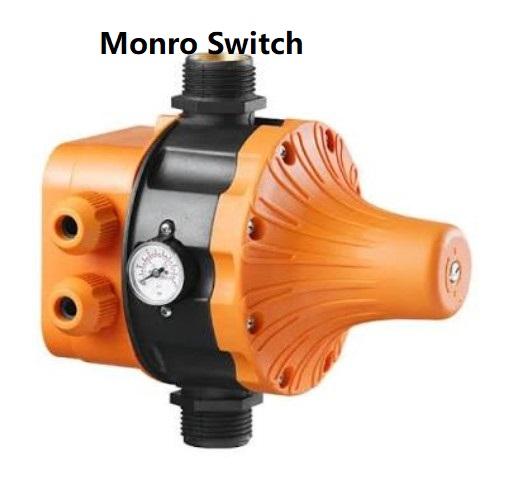
Managing water efficiently requires more than selecting a suitable pump; the control arrangement must also respond appropriately to changing usage patterns. Installation Automatic Pump Control deserves careful attention when designing systems for homes, commercial buildings, workshops, or irrigation facilities. With proper planning, Installation Automatic Pump Control can help coordinate pump operation with system demand, reduce unnecessary manual intervention, and make daily water management more convenient. Understanding the relationship between the pump, pipeline, water source, and control device allows installers to develop a configuration suited to the site's practical requirements.
Understanding Demand Patterns Before Setup
Water consumption rarely remains constant throughout the day. Residential systems may experience short periods of high demand, while commercial facilities can have several outlets operating at the same time. Irrigation systems may follow scheduled watering periods that create different flow requirements.
Before installation, operators should identify how the water supply will be used and whether demand changes significantly between operating periods. This information helps determine the pump capacity and control functions required. It also provides a useful reference for evaluating performance after commissioning. A system designed around realistic demand is more likely to operate consistently than one selected solely from general assumptions.
Choosing a Suitable Installation Arrangement
The physical layout can influence accessibility, maintenance, and the convenience of future adjustments. Installers should consider the distance between the pump, water source, pipeline connections, and control device. The selected location should allow safe access to connection points while protecting equipment from conditions outside its specified operating limits.
Pipe routing deserves particular attention. Excessive bends, unsuitable pipe dimensions, or poorly supported sections may affect hydraulic performance. Connections should be installed according to the equipment instructions, with appropriate sealing and support. A tidy layout can also make it easier for technicians to identify individual components during inspections or repairs.
Balancing Automatic Operation and System Protection
Automatic control helps a pump respond to defined operating conditions without requiring someone to operate it manually every time water is needed. However, the functions available depend on the particular controller and its compatibility with the pump. Installers should verify whether the selected device provides the required pressure response, switching behavior, or additional protection features.
System protection should be considered separately from convenience. Depending on the application, the installation may need measures to address inadequate water supply, electrical faults, or operation beyond permitted limits. These requirements should be assessed using the pump and controller documentation. Appropriate protective equipment and correct settings help ensure that automatic operation remains consistent with the system's design limits.
Monro Switch: Testing Real Operating Conditions
After installation, testing should reflect the way the water system will actually be used. Technicians can check whether the pump starts and stops according to the intended control logic, whether connections remain secure, and whether the system responds appropriately when demand changes. These checks help identify issues before the equipment enters regular service.
Commissioning should follow the manufacturer's instructions rather than relying on improvised adjustments. If the pump cycles too frequently, fails to start, or behaves inconsistently, technicians should examine possible causes across the complete system. Pressure conditions, water availability, pipework, electrical supply, and controller compatibility may all influence the result. Recording approved settings and test observations provides a useful reference for later maintenance.
Making Maintenance Easier Over Time
A well-organized installation helps operators monitor performance and identify developing problems. Routine inspections can include checking for leaks, reviewing visible wiring and connections, observing switching frequency, and noting unusual noises or changes in water delivery. The maintenance schedule should follow manufacturer recommendations and account for the operating environment.
When a fault appears, technicians should investigate the pump and its connected components together instead of assuming the controller is responsible. Keeping service records helps reveal recurring issues and supports more informed repair decisions. With suitable equipment, careful commissioning, and consistent inspection, automatic water systems can be easier to manage throughout their service life.
For residential, commercial, and agricultural projects, thoughtful installation planning can improve operational convenience and help prevent avoidable compatibility problems. To explore automatic pump control products and learn more about available solutions, visit https://www.monroswitch.com/ .

 English
 Arabic
 French
 Spanish
 Deutsch
 Turkish
 Dutch
 Italiano
 Russian
 Romaian
 Portuguese (Brazil)
 Greek