


Can Z'OREYA Private Label Makeup Brush Set Help Maintain Brush Hygiene
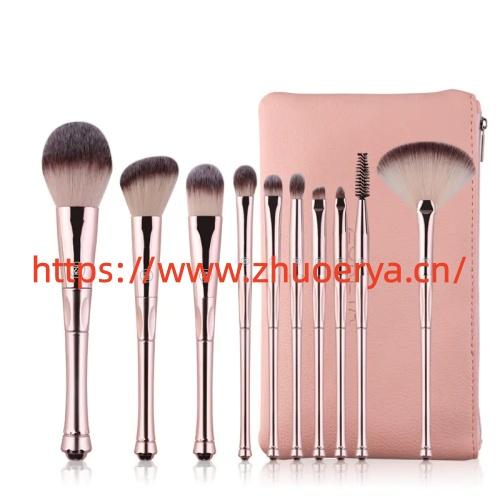
Private Label Makeup Brush Set projects can appeal to beauty businesses that want to develop their own cosmetic accessory collections, but product selection is only part of the customer experience. Everyday hygiene matters just as much. When applicators touch the face repeatedly, they can collect oils, dead skin cells, dust, and leftover cosmetics. Without regular care, this buildup may contribute to clogged pores, irritation, and other skin concerns. A simple cleaning routine helps consumers care for their tools while supporting a more hygienic beauty experience.
Many people wash their faces daily but forget about the tools they use to apply cosmetics. After several applications, residue can accumulate between the bristles, especially when liquid foundation, concealer, or cream products are involved. The tools may still look clean from a distance, yet hidden residue can remain. Establishing a regular washing schedule makes this task easier to manage. Dermatologists commonly recommend washing frequently used cosmetic brushes every seven to ten days, with adjustments based on the product type and frequency of use.
The first step is to prepare a clean working area. Gather a mild cleanser, lukewarm water, and a fresh towel. Avoid very hot water because excessive heat can affect delicate fibers and weaken the adhesive that holds the head together. Wet the bristles carefully, keeping water away from the point where the head meets the handle. This small precaution can help reduce unnecessary wear during repeated cleaning.
Next, place a small amount of gentle cleanser in your palm or a suitable washing dish. Move the bristles through the solution with light circular motions. There is no need to press hard or twist the fibers aggressively. For dense heads, use your fingertips to work through the outer layers and loosen trapped residue. A gentle approach allows the cleaning process to remove accumulated material without placing unnecessary stress on the fibers.
Rinsing deserves equal attention. Hold the bristles under lukewarm running water until the water appears clear. If visible color or a slippery film remains, repeat the cleansing process. Leftover soap can affect the feel of the fibers and may irritate sensitive skin when transferred to the face. Once rinsing is complete, press the bristles lightly between clean fingers or use a towel to absorb excess moisture. Avoid pulling, rubbing, or squeezing them too firmly.
Drying is another step that deserves care. Gently reshape the head and lay the tool horizontally on a clean towel, allowing the bristles to extend slightly beyond the edge of a counter. This position encourages airflow and helps prevent water from moving into the handle. Leave each item to dry completely before returning it to a pouch or container. Storing damp tools in a closed space can encourage unwanted microbial growth and create unpleasant odors.
Cleaning frequency should reflect actual use. Tools used with liquid or cream cosmetics may need weekly washing, while those used occasionally with dry powder products may require less frequent attention. Items used around the eyes deserve careful hygiene because this area is sensitive. Reusable sponges also need regular cleaning and complete drying. Sharing personal applicators is best avoided, as it can transfer oils, residue, and microorganisms between users. Anyone experiencing persistent redness, swelling, or irritation should consider seeking advice from a qualified healthcare professional.
Storage habits make a difference between washing days. Keep clean tools in a dry location, away from bathroom splashes, dusty surfaces, and direct contact with used accessories. Wash your hands before handling them, and clean the container periodically. Inspect the fibers during routine care. Excessive shedding, fraying, a loose head, or a persistent odor may indicate that replacement is appropriate. Good maintenance is not only about appearance; it also supports a more consistent application experience.
For beauty brands, these everyday needs create an opportunity to offer thoughtfully designed accessories alongside useful care guidance. Buyers evaluating materials, handle construction, fiber density, and packaging should consider how easily customers can clean and store each item. Z'OREYA provides a product starting point for businesses planning cosmetic accessory collections for their intended markets. Retailers can review the available range, compare product details, and consider their customization requirements through https://www.zhuoerya.cn/product/ when planning a collection that combines practical use with straightforward maintenance advice.

 English
 Arabic
 French
 Spanish
 Portuguese
 Deutsch
 Dutch
 Italiano
 Russian
 Romaian
 Portuguese (Brazil)
 Greek