


How Can compositemould Help Buyers Plan a Mould Project?
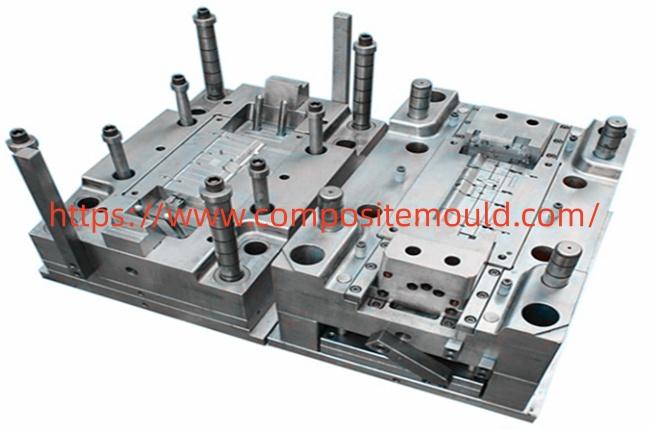
SMC Mould selection requires careful coordination between product design, tooling structure, production conditions, and inspection requirements. For manufacturers, importers, and purchasing teams, a quotation alone cannot explain whether a proposed tool fits the intended application. Buyers should review the technical details, clarify project responsibilities, and agree on acceptance criteria before production begins. This preparation helps both parties establish realistic expectations and organize the development process.
Prepare Complete Product Drawings
Product drawings provide the starting point for tooling discussions. Before requesting a quotation, buyers should prepare the latest 2D drawings and 3D files, where available, along with relevant dimensions, wall thicknesses, mounting points, openings, ribs, and other functional features.
Pay particular attention to dimensions that affect assembly or connection with other components. If some details remain under development, identify them clearly instead of allowing the manufacturer to make assumptions. Unclear dimensions or late design changes may affect machining plans, project schedules, and modification costs.
Buyers should also explain the intended application and expected production quantity. These details help the engineering team assess the proposed structure and identify questions that need to be resolved before tooling work proceeds.
Review Tool Structure and Material Requirements
The tool structure should match the geometry of the intended component and its forming process. Buyers can discuss the parting line, cavity layout, venting arrangement, heating system, ejection method, and access for cleaning or maintenance.
Material requirements also deserve attention. The selected compound, reinforcement, shrinkage behavior, and curing conditions can influence tooling design and the dimensions of the finished part. Buyers should provide relevant material data when available and ask the manufacturer to clarify any assumptions used during design.
Rather than requesting a general-purpose solution, explain which product features are critical to function, assembly, appearance, or service conditions. A shared understanding of these priorities gives the design team a clearer basis for discussing the tooling structure and possible trade-offs.
Define Dimensional and Surface Acceptance Criteria
Terms such as smooth finish or accurate dimensions can mean different things to different project teams. Buyers should identify critical dimensions, measurement references, permitted tolerances, and visible surfaces before manufacturing starts.
For appearance requirements, specify whether a surface will be exposed, painted, covered, or hidden after assembly. Agree on the inspection method and acceptable surface conditions where relevant. These details help prevent disagreements when trial samples are reviewed.
A written inspection plan should also identify who measures the samples, which instruments or methods are used, and how results are recorded. If a dimension or appearance feature does not meet the agreed requirements, both parties should have a clear process for reviewing the finding and deciding on corrective action.
Ask About Trial Production and Sample Approval
A tooling project should include a clear plan for testing the tool under relevant processing conditions. Before ordering, buyers can ask about trial timing, sample quantities, material availability, inspection scope, and the procedure for reporting issues.
Trial samples can reveal whether the tool forms the intended geometry, releases the component appropriately, and meets agreed dimensional and appearance requirements. However, one acceptable sample does not necessarily demonstrate repeatable production performance. Buyers should clarify what evidence is needed before approving the next project stage.
It is also useful to agree on how modifications will be handled. Record the issue, proposed adjustment, responsible party, expected timing, and method for checking the revised sample. This creates a traceable process rather than relying on informal discussions.
Compare the Full Project Cost
When evaluating quotations, buyers should compare the scope of work rather than focusing only on the quoted tooling price. Different proposals may include different levels of design support, machining, surface finishing, trial production, inspection, spare parts, or documentation.
Request an itemized explanation of the included work and any possible additional charges. Confirm payment milestones, delivery estimates, packing arrangements, shipping responsibilities, and procedures for approving changes. If a design revision may affect the cost or schedule, clarify how the change will be assessed before work continues.
For purchasing teams managing several projects, a comparison sheet can make these differences easier to review. It should include technical compliance, quoted scope, schedule, sample approval, maintenance arrangements, and communication responsibilities.
Consider Maintenance and Future Product Changes
Tooling is a working production asset, so maintenance should be discussed before handover. Ask about recommended cleaning procedures, inspection intervals, storage conditions, wear-prone areas, and the availability of replacement components where applicable.
Future design changes also deserve consideration. If the product may require updated holes, mounting positions, or other features, discuss which modifications are practical and how they might affect the existing tool. The feasibility and cost of changes depend on the actual structure and should be confirmed by the engineering team.
Clear documentation makes later maintenance and project updates easier to coordinate. Buyers can request relevant drawings, component lists, maintenance guidance, and records of approved modifications as part of the agreed handover package.
Establish Clear Communication with the Manufacturer
Effective cooperation depends on accurate information and clear responsibilities. Before placing an order, confirm who will review drawings, approve design changes, coordinate trials, inspect samples, and authorize final acceptance.
When contacting compositemould, buyers can prepare a concise project brief containing drawings, material details, annual volume estimates, critical dimensions, surface expectations, and target delivery dates. Sharing these details helps the team understand the application and identify information that may still be needed.A structured discussion also helps buyers compare suppliers on a consistent basis. By reviewing technical scope, project milestones, sample approval, maintenance support, and commercial terms together, purchasing teams can make decisions that reflect their actual manufacturing requirements. To discuss a project or review available tooling options, visit https://www.compositemould.com/product/ and provide the relevant product information for further communication.

 English
 Arabic
 French
 Spanish
 Portuguese
 Deutsch
 Turkish
 Dutch
 Italiano
 Russian
 Portuguese (Brazil)
 Greek