


Creative Ways to Use Mounted Posters in Office Interiors
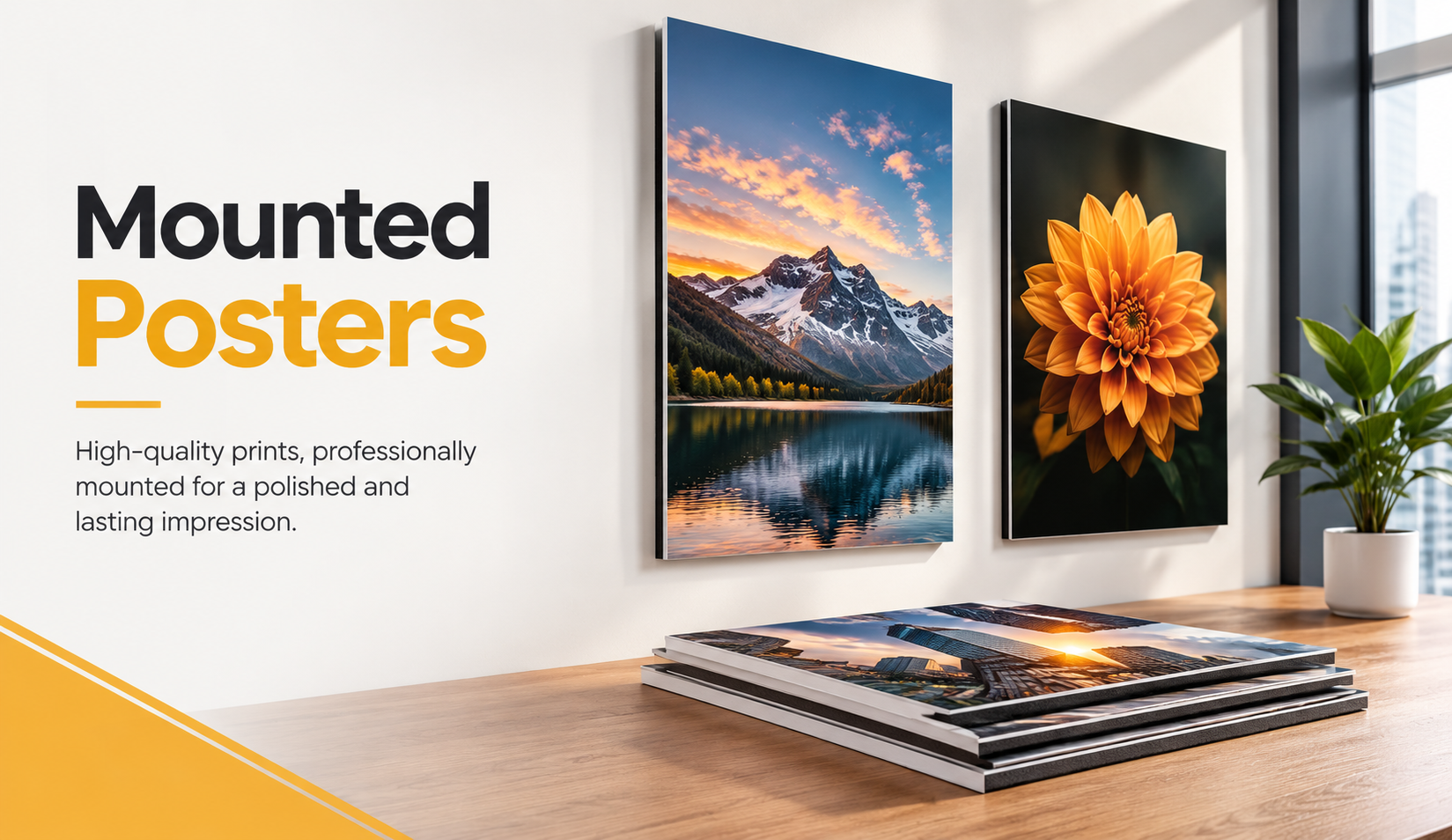
An office can have modern furniture, comfortable workstations, and beautiful lighting yet still feel incomplete. We often see businesses invest heavily in desks, chairs, and technology while leaving large wall spaces empty. Those blank walls might seem like a minor detail, but they influence how employees, clients, and visitors experience a workplace.
Thoughtful wall décor helps businesses create a more welcoming environment without requiring a complete interior renovation. Mounted Posters offer a practical way to introduce brand colors, meaningful imagery, and visual interest into offices. Their structured appearance creates a cleaner presentation than ordinary paper prints, making them suitable for many professional environments.
The challenge lies in choosing the right artwork, placement, and design rather than simply covering every empty wall. We encourage businesses to consider how people move through their offices, where visitors spend time, and which messages deserve attention. A well-planned poster display can support office aesthetics, strengthen brand recognition, and make everyday workspaces feel more intentional.
Why Mounted Posters Work Well in Modern Office Interiors
Modern office design focuses on creating environments that balance functionality, comfort, and visual appeal. Wall graphics can contribute to that balance without taking up valuable floor space or interrupting daily activities. Mounted posters offer businesses a flexible decorative option that works across reception areas, meeting rooms, hallways, and shared workspaces.
Create a Professional Appearance Without Major Renovations
Office renovations can become expensive, particularly when businesses need to replace furniture, change lighting, or modify interior structures. We often recommend evaluating existing wall space before committing to larger decorative improvements. A carefully chosen mounted poster can refresh an otherwise plain room while allowing businesses to preserve their current layout.
For example, a professional services company might use a large architectural photograph to bring depth into a reception area. A creative agency could introduce contemporary artwork that reflects its visual identity. Both approaches help establish a more polished atmosphere without adding unnecessary furniture or complicated installations.
Maintain a Clean and Organized Visual Style
Loose paper posters can curl, wrinkle, or appear temporary, especially in busy commercial environments. Mounting adds rigidity and helps create a more structured presentation. The final appearance depends on the mounting material, print quality, finishing choices, and installation method.
We recommend matching these details to the surrounding office décor. Minimalist workplaces often benefit from simple layouts, neutral colors, and generous whitespace. Offices with more energetic branding can incorporate vibrant photography or colorful compositions while keeping the overall arrangement organized.
Use Mounted Posters to Strengthen Office Branding
Office interiors communicate a company's identity long before a visitor speaks with a team member. Brand colors, visual consistency, and carefully selected imagery can reinforce the impression that a business wants to create. Mounted posters help companies introduce these elements naturally throughout their workspaces.
Display Company Values Through Meaningful Graphics
Businesses frequently display mission statements or company values, but lengthy paragraphs rarely make compelling wall décor. We suggest choosing a few meaningful phrases and combining them with strong typography and restrained visual elements. The goal should be to communicate something employees and visitors can understand at a glance.
A consulting firm might display its guiding principles near a conference area, while a growing technology company could highlight the ideas behind its products. These displays work best when the language sounds authentic rather than promotional. Employees should recognize the messages as part of the company's everyday culture.
Create Consistency Across Multiple Office Locations
Companies with several offices often struggle to maintain a consistent visual identity across different interiors. One location may feature colorful photography, while another relies on generic artwork that has little connection to the brand. A coordinated mounted poster collection can help create a recognizable visual experience.
We recommend developing a simple design system that includes approved colors, typography, photography styles, and standard display sizes. Individual offices can still incorporate local imagery or regional details. This approach maintains brand consistency without making every location look identical.
Transform Reception Areas with Mounted Poster Displays
Reception areas deserve careful attention because they influence the first impression of an office. Visitors may spend several minutes in these spaces before meetings or appointments begin. The surrounding décor can make that experience feel either welcoming and organized or unfinished and impersonal.
Design a Memorable First Impression
A reception wall offers an opportunity to introduce the personality of a company without overwhelming visitors. We often suggest using one large mounted poster rather than several competing graphics when the available wall space is limited. A strong photograph, abstract composition, or subtle branded artwork can create a clear focal point.
The design should complement the reception desk, furniture, lighting, and existing colors. For example, a legal office may prefer restrained architectural imagery, while a wellness business might choose calming nature photography. Matching the visual style to the business helps the space feel more cohesive.
Showcase Company History and Achievements
Company milestones can become meaningful decorative elements when businesses present them thoughtfully. Instead of placing numerous certificates or awards across a wall, consider creating a curated display featuring important moments, historical photographs, or major developments. This approach tells a story without making the reception area feel crowded.
We recommend limiting each poster to one clear subject and arranging the collection in a logical sequence. Visitors should understand the display without stopping to read lengthy explanations. A small series of professionally arranged visuals often communicates more effectively than an overloaded company timeline.
Make Conference Rooms More Engaging with Office Wall Graphics
Conference rooms host important conversations, client presentations, training sessions, and internal planning meetings. Their interiors should encourage concentration while maintaining a professional atmosphere. Mounted posters can add personality to these spaces without distracting from the discussions taking place.
Use Subtle Artwork That Supports Focus
Large, highly detailed graphics can overwhelm smaller meeting rooms, particularly when they compete with presentation screens. We generally recommend simple geometric designs, architectural photography, or restrained abstract artwork in these environments. Neutral tones with carefully chosen accent colors often work well.
Before selecting artwork, examine the room from the seats people use most often. Consider how the design looks during video meetings and whether reflections or strong lighting affect visibility. These practical details matter more than choosing an image solely because it looks attractive on a computer screen.
Introduce Relevant Industry Photography
Industry-related imagery can make conference rooms feel more connected to the work a company performs. An engineering firm might display infrastructure photography, while a travel business could feature destination landscapes. A manufacturing company may prefer close-up photographs of its production processes or finished products.
We suggest choosing images that remain relevant for several years rather than graphics tied to short-term campaigns. This reduces unnecessary replacements and creates a more established appearance. When companies want to update the artwork later, a consistent mounting format helps preserve the overall design.
Create Inspiring Employee Workspaces with Mounted Posters
Employee areas need a different approach from customer-facing spaces. While reception displays often emphasize brand identity, workspaces should also support comfort, concentration, and a sense of belonging. The right poster collection can make an ordinary office feel more personal without turning it into a distracting visual environment.
Add Motivational Messages Without Overcrowding Walls
Motivational quotes remain popular in office interiors, but businesses sometimes use too many slogans. We have found that a few carefully selected messages generally create a stronger impression than walls full of competing statements. Employees quickly stop noticing graphics when every surface demands attention.
Choose short phrases that reflect the actual workplace culture and pair them with appropriate typography. A design team might appreciate creative statements, while an operations department may connect more with messages about teamwork or problem-solving. Keep the layout simple so the message remains easy to understand.
Highlight Employee Creativity and Team Achievements
Office wall décor does not always need to feature corporate artwork. Businesses can use mounted posters to showcase employee photography, community projects, or meaningful team achievements. This creates opportunities for employees to see their contributions reflected in the workplace.
We recommend establishing a consistent visual format before creating these displays. Similar poster dimensions, controlled color palettes, and organized spacing help varied content feel connected. Businesses can update the collection periodically as teams complete projects or reach important milestones.
Use Mounted Posters to Improve Hallways and Transitional Spaces
Hallways, corridors, and connecting areas often receive little attention during office decorating projects. These spaces may not support desks or furniture, but they still contribute to the overall workplace experience. Mounted posters provide a practical way to introduce visual interest without reducing usable floor space.
Turn Empty Corridors into Visual Storytelling Spaces
Long corridors create natural opportunities for a sequence of related images. We often suggest using a coordinated collection rather than placing unrelated prints at random intervals. A company could display its project portfolio, photographs of different office locations, or a series of images connected to its industry.
Consistency matters when people view artwork while walking. Keep poster sizes and spacing relatively uniform, and arrange the collection at a comfortable viewing height. Avoid lengthy captions because most employees and visitors will only glance at the displays as they pass.
Combine Artwork with Practical Wayfinding
Businesses can incorporate subtle directional information into their office wall designs. For example, a poster near a hallway intersection might identify different departments while maintaining the company's visual style. This works particularly well in offices where visitors need guidance between reception areas and meeting spaces.
However, decorative posters should not replace essential safety signs or required accessibility information. We recommend keeping wayfinding graphics straightforward and ensuring people can distinguish them from ordinary artwork. Clear communication should always take priority over decorative complexity.
Decorate Break Rooms and Collaborative Areas with Creative Posters
Break rooms and shared spaces allow businesses to introduce a more relaxed visual style. These areas support informal conversations, short breaks, and interactions between employees from different departments. Their décor can feel warmer and more expressive than the artwork in formal meeting rooms.
Use Color and Photography to Create a Relaxed Atmosphere
Nature photography, travel images, food-related artwork, and contemporary illustrations can work well in employee lounges. We recommend selecting visuals that complement the room's furniture rather than copying the design language of reception areas. A break room should feel comfortable and distinct from an everyday workstation.
Color selection also deserves attention. Warm neutrals, muted greens, and balanced accent colors can create a pleasant atmosphere without overwhelming a small room. Before printing, compare the proposed artwork with existing wall colors and natural lighting to avoid unexpected contrasts.
Encourage Collaboration with Thoughtful Wall Displays
Collaborative spaces often benefit from imagery that reflects shared goals, creativity, or the company's work. A product development team might display selected project photographs, while a design agency could create a rotating collection of visual concepts. These displays can provide conversation starters during informal team discussions.
We suggest avoiding permanent poster installations for information that changes every week. Whiteboards and digital screens usually handle frequently updated content more effectively. Mounted posters work better for lasting visual themes, selected achievements, and artwork that supports the room's atmosphere.
How to Choose the Right Mounted Posters for Your Office
A successful poster display starts with practical planning rather than artwork selection alone. Businesses should consider wall dimensions, viewing distance, mounting materials, lighting, and maintenance before approving a print order. These details help prevent common issues such as awkward sizing, poor placement, or inconsistent finishes.
Select Poster Sizes Based on Wall Space
One of the most common office decorating mistakes involves choosing posters that look appropriate on a screen but appear too small or too large after installation. We recommend measuring the available wall area and accounting for nearby furniture, doors, windows, and architectural features. The poster should feel proportionate to its surroundings.
A large reception wall may support one oversized display, while a narrow hallway may work better with several smaller pieces. Use painter's tape or paper templates to mark the proposed dimensions before ordering. This simple step gives decision-makers a clearer understanding of the final arrangement.
Consider Mounting Materials and Finishes
Different mounting options suit different environments. Foam board can provide a lightweight, rigid presentation for many interior displays, while more durable mounting materials may suit installations that require additional strength or longevity. Material availability and finishing choices depend on the printing provider.
We recommend discussing expected display duration, handling requirements, and installation conditions before choosing a material. Matte finishes may help reduce distracting reflections in brightly lit offices, while other finishes can suit particular photographs or design styles. The right decision depends on the room rather than a universal preference.
Prepare High-Resolution Artwork for Printing
Poor image quality can undermine an otherwise attractive display. Photographs that look sharp on a laptop may reveal softness or pixelation when enlarged for a large office wall. We encourage businesses to review artwork at its intended print dimensions before approving production.
Use original high-resolution images whenever possible and keep important text within the printer's recommended safe area. Confirm color settings, bleed requirements, and accepted file formats with the print provider. These checks help the final product match the approved design more closely.
Plan Installation and Maintenance
Even a well-designed poster can look unprofessional when installers position it unevenly or use unsuitable hardware. Wall surfaces, poster weight, and mounting materials all influence installation choices. We suggest confirming these requirements before production, especially when businesses plan to install multiple displays.
Maintenance also matters in shared office environments. Choose materials and cleaning methods that suit the poster's finish, and keep displays away from conditions that could cause unnecessary damage. Businesses comparing different applications can also explore when to use mounted posters to evaluate where this display format fits their needs.
Common Office Poster Design Mistakes to Avoid
Office wall graphics should complement the interior rather than compete with every other decorative feature. Businesses sometimes focus heavily on the individual artwork and overlook how multiple displays interact across a space. Small planning mistakes can affect both appearance and readability.
Using Too Many Colors or Competing Designs
A collection of individually attractive posters does not always create an attractive office. Different typography styles, unrelated color schemes, and inconsistent image treatments can make a workspace feel disorganized. We recommend creating a basic visual direction before selecting the final artwork.
Start with the company's existing colors and interior design. Choose a limited set of complementary tones and maintain consistent spacing across related posters. Individual images can vary, but the overall collection should still feel intentional.
Placing Posters at Inconvenient Viewing Heights
Poster placement affects how easily people can appreciate artwork or read information. Displays that sit too high, hide behind furniture, or compete with door frames often lose their intended impact. We recommend reviewing the space from normal standing and seated positions before finalizing placement.
When installing a series, establish a consistent visual alignment rather than measuring every poster from an unrelated reference point. The center of a display often provides a useful starting point, although furniture and room layout may require adjustments. Consistency helps the arrangement look deliberate.
Prioritizing Decoration Over Readability
Some businesses attempt to combine company history, product information, photography, and motivational statements into one poster. The result often looks crowded, especially when viewers stand several feet away. We recommend giving each display a clear purpose and reducing unnecessary text.
If employees or visitors need detailed information, provide that content through brochures, websites, or appropriate digital resources. Office posters should deliver their message quickly and support the environment visually. Simple compositions generally offer greater flexibility across different interior styles.
Frequently Asked Questions About Mounted Posters for Offices
1. What makes mounted posters suitable for office interiors?
Mounted posters combine printed artwork with a rigid backing material, creating a structured presentation for office walls. They offer businesses a practical option for displaying photography, branded graphics, artwork, and selected informational content. Their suitability depends on the mounting material, expected display duration, and installation conditions.
2. Where should businesses place mounted posters in an office?
Reception areas, conference rooms, hallways, employee lounges, and collaborative workspaces all offer useful display opportunities. We recommend choosing locations based on visibility, available wall space, lighting, and the purpose of each design. Customer-facing areas may benefit from branded artwork, while employee spaces can support more relaxed visual themes.
3. How do businesses choose the right size for office mounted posters?
Start by measuring the wall and identifying nearby furniture or architectural features. A large, open wall may suit a single prominent poster, while a narrow corridor may benefit from several smaller displays. We suggest testing dimensions with temporary paper templates before selecting the final print size.
4. Are mounted posters suitable for long-term office decoration?
Mounted posters can work for extended office displays when businesses select appropriate materials, finishes, and installation methods. Their lifespan depends on handling, environmental conditions, exposure to sunlight, and the mounting substrate. We recommend discussing durability expectations with the print provider rather than assuming every mounted poster offers the same performance.
Conclusion: Create a More Thoughtful Office Environment with Mounted Posters
Office interiors influence how visitors perceive a business and how employees experience their everyday surroundings. Mounted posters offer a flexible way to introduce meaningful artwork, strengthen visual branding, and improve underused wall spaces. From reception areas and conference rooms to hallways and employee lounges, the most successful displays balance creativity with practical planning.
We believe effective office decoration begins with understanding the people who use the space. Choosing appropriate artwork, maintaining consistent design elements, and paying attention to print quality can make a noticeable difference without requiring extensive renovations. Businesses achieve better results when they treat wall graphics as part of their overall interior design rather than an afterthought.
At Laguna Digital, we recognize the importance of clear artwork, suitable print materials, and professional presentation in commercial spaces. If you're considering mounted posters for your office, begin by identifying the walls that would benefit most from a thoughtful visual update. A focused design plan and the right printing specifications can help you create a workplace that looks welcoming, organized, and distinctly your own.

 English
 Arabic
 French
 Portuguese
 Deutsch
 Turkish
 Dutch
 Italiano
 Russian
 Romaian
 Portuguese (Brazil)
 Greek