


Exploring Gel Materials in Cushion Development
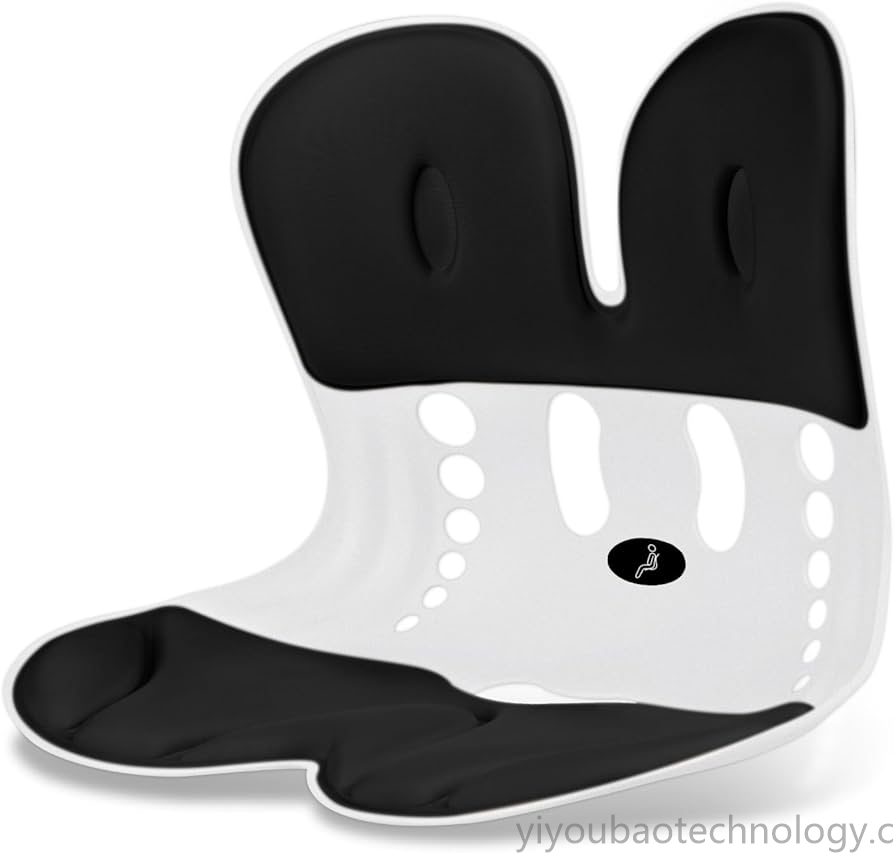
Seating accessories are increasingly developed with different material combinations to address comfort, support, and everyday usability. Gel-based components are one option designers may consider when developing cushions for office, home, and specialized seating environments. A Gel Lumbar Support Cushion typically combines a shaped support structure with a gel layer or gel-based component intended to influence pressure distribution and surface feel. Its performance depends on the design of the complete product, including the cushioning base, outer cover, material thickness, and the way these elements interact during use.
Gel materials can differ in flexibility, elasticity, heat transfer behavior, and response to applied pressure. Their characteristics depend on the formulation and construction method, so product developers should not assume that every gel component performs identically. When integrated into a cushion, gel may provide a distinctive contact feel and help distribute pressure across the supported area. However, overall comfort also depends on the underlying foam or padding, the cushion's shape, the chair's backrest, and the user's individual preferences.
Material integration requires careful engineering. A gel layer that is too rigid may not conform well to the intended shape, while a component that moves excessively within the cushion can affect stability. Designers need to consider how the gel is secured, how it responds to repeated compression, and whether its properties remain suitable during normal storage and use. The connection between the gel component and the supporting material should be evaluated to reduce the risk of shifting, separation, or uneven contact. These factors become particularly important when the product is intended for repeated daily use.
The cushioning base contributes substantially to the final experience. Foam or other supporting materials can provide the structure needed to maintain the cushion's profile, while the gel component may modify the surface response. The balance between these materials should be chosen according to the intended application. A product for an office chair may prioritize a compact profile and stable positioning, whereas a cushion for a broader backrest may require a different shape. Prototype evaluation can help identify combinations that provide an appropriate balance of comfort, resilience, and structural stability.
The outer cover affects both practical performance and appearance. Breathable fabrics can support airflow through suitable construction, while durable upholstery may be more appropriate for shared workspaces or environments where frequent cleaning is expected. Cover materials should also be compatible with the internal structure and should not restrict the way the gel and cushioning materials respond to pressure. Seam placement, edge finishing, and the fit around the internal components deserve attention because poor construction can create wrinkles, uneven surfaces, or premature wear.
Quality testing should address the complete cushion rather than focusing on the gel material alone. Manufacturers may assess dimensions, surface finish, compression response, recovery, and the stability of internal components. Repeated-use testing can help reveal whether materials shift, covers loosen, or the cushion loses its intended form. Where heat-related performance is important to a product's positioning, claims should be supported by suitable testing rather than inferred simply from the presence of gel. Clear evaluation methods help buyers compare samples on a more consistent basis.
Manufacturing controls are important for maintaining uniformity across production batches. Differences in gel placement, filling distribution, adhesive application, or assembly pressure can affect how individual cushions feel. Inspection procedures should define acceptable limits for appearance, dimensions, and component positioning. Material traceability and controlled storage can also help manufacturers identify the source of a problem if a batch does not meet agreed requirements. For business buyers, these processes provide a more reliable basis for evaluating suppliers than appearance alone.
Customization may be relevant for brands serving different customer groups. Buyers may request specific dimensions, cushion profiles, cover colors, branding, packaging, or combinations of internal materials. Before confirming an order, they should clarify the target chair type, intended usage conditions, product positioning, and applicable market requirements. Reviewing samples under realistic conditions can help assess fit, comfort, stability, and ease of maintenance. Written sample approval also provides a reference for subsequent production runs.
A dependable Gel Lumbar Support Cushion should be evaluated as an integrated seating product, with attention to material compatibility, structural design, cover quality, and consistent manufacturing. Gel is one element of the design rather than a guarantee of superior comfort, so buyers should assess the finished product against the needs of their intended users. Yongkang Yiyoubao Technology Co., Ltd. provides seating comfort products for a range of market applications. Businesses can review its product range at https://www.yiyoubaotechnology.com/product/lumbar-supports-seat-cushions/ when considering options for their seating accessory portfolio.

 English
 Arabic
 French
 Spanish
 Portuguese
 Deutsch
 Turkish
 Dutch
 Italiano
 Russian
 Romaian
 Portuguese (Brazil)