


Why Clutch and GoodFirms Reviews Matter When You Hire eCommerce Developers
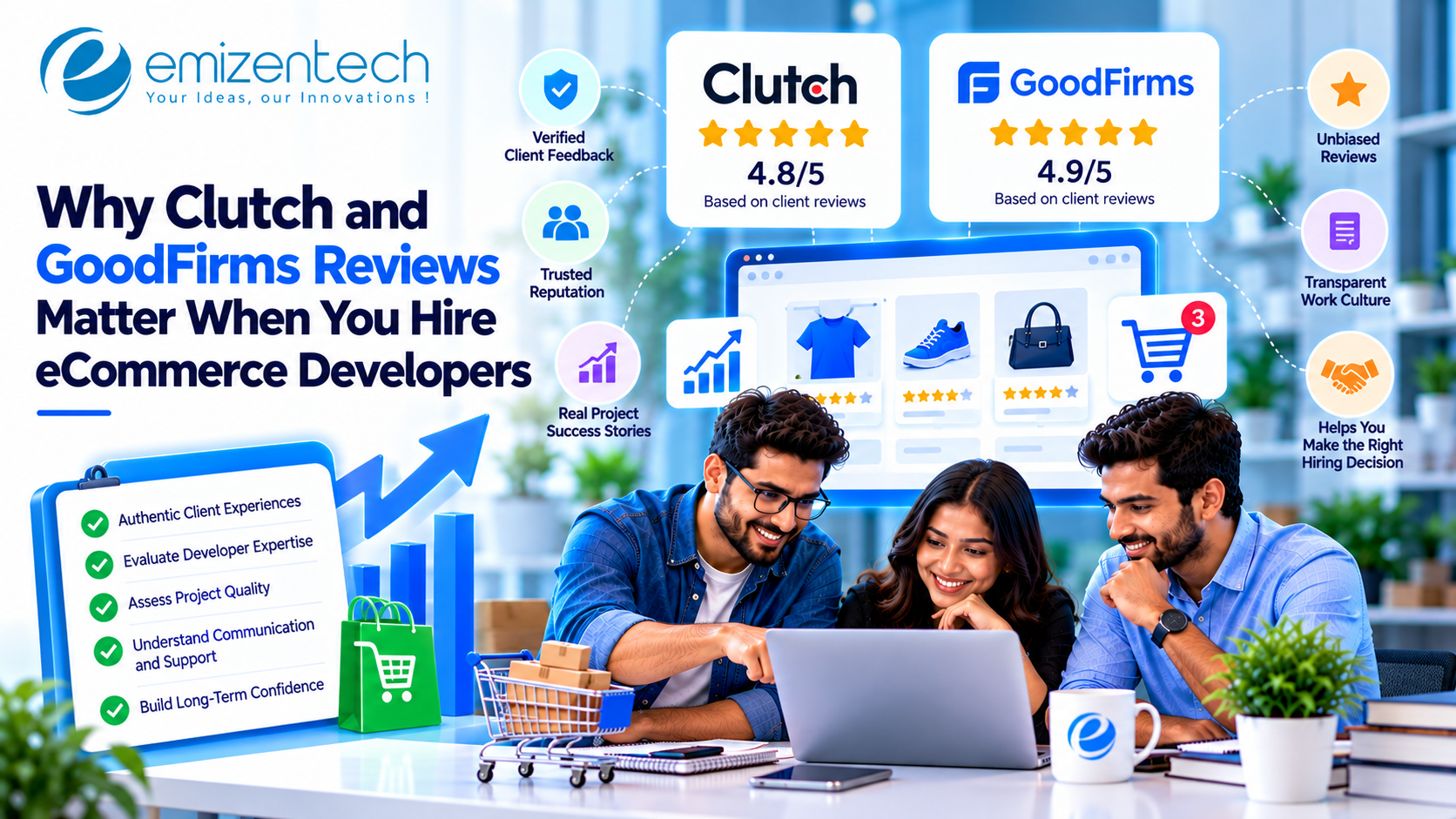
Hiring the right eCommerce developer can influence your online store’s performance, functionality, security, and long-term growth. While many development companies showcase impressive portfolios, businesses need more than marketing claims to evaluate their capabilities.
This is where Clutch and GoodFirms reviews become useful. These platforms help businesses assess development providers through client feedback, company profiles, and project experience. Understanding how to evaluate these reviews can help you make a more informed decision before investing in eCommerce development.
Why Clutch and GoodFirms Reviews Matter When You Hire eCommerce Developers
Client reviews offer insights into how development teams manage projects, communicate with clients, and handle technical challenges. When you plan to hire eCommerce developers, these details can help you shortlist providers that align with your business goals.
Understand Real Client Experiences
Clutch and GoodFirms reviews can provide information about clients’ experiences with development companies. Look for feedback that explains how a team handled project requirements, responded to changes, and delivered agreed-upon features.
For example, repeated positive comments about communication and project coordination may indicate a structured development process. Similarly, recurring complaints about delays or unclear pricing deserve closer attention before making a hiring decision.
Evaluate Technical Expertise and Project Experience
E-commerce development often involves custom storefronts, payment gateways, inventory synchronization, third-party integrations, and checkout optimization. Reviews that describe these specific services can help you understand whether a provider has relevant experience.
Rather than relying only on an overall rating, examine whether clients discuss projects similar to yours. This makes it easier to assess a developer’s suitability for your platform and technical requirements.
How to Evaluate Clutch Reviews Before Hiring eCommerce Developers
Clutch is a B2B review platform where businesses can research service providers and examine client feedback. Its company profiles and available project reviews can help you assess a development team beyond its website claims.
Check Client Feedback and Project Details
Read Clutch reviews that explain the project's scope, services delivered, and overall working experience. Detailed feedback about platform customization, migration, API integration, or store performance improvements can be particularly relevant when evaluating eCommerce developers.
Check the context behind each review, including the type of client and project, wherever that information is available. This helps you determine whether the provider has handled requirements comparable to yours.
Look Beyond the Overall Rating
A high Clutch rating can be a positive signal, but it does not automatically guarantee the right technical fit. Review comments about project management, communication, budget handling, deadlines, and responsiveness to feedback.
If you intend to hire eCommerce developers for a complex store, prioritize evidence of successful delivery and problem-solving rather than selecting a provider based on its rating alone.
Identify Patterns Across Clutch Reviews
Look for recurring themes across multiple reviews instead of making decisions based on one client's experience. Consistent praise for technical problem-solving or transparent communication may indicate strengths worth exploring.
Repeated concerns about missed deadlines, unexpected costs, or inadequate support should prompt additional questions during your initial discussions.
How GoodFirms Reviews Help You Compare eCommerce Developers
GoodFirms offers another source for researching development providers, reviewing their service offerings, and comparing available client feedback. Using GoodFirms alongside Clutch can give you a broader perspective when shortlisting potential development partners.
Review Company Profiles and Specializations
Check whether a provider's GoodFirms profile highlights the services you need, such as custom eCommerce development, platform migration, storefront design, or ongoing maintenance.
A company with broad software development experience may not necessarily specialize in your chosen eCommerce platform. Compare its stated capabilities with your project requirements before moving forward.
Compare GoodFirms Ratings With Client Feedback
Ratings can help you identify potential candidates, but detailed GoodFirms reviews provide more useful context about the development process. Look for comments that describe project complexity, communication, delivery, and client satisfaction.
Compare these details with the information available on Clutch. If the feedback across both platforms points to similar strengths, you have a stronger basis for further evaluation, although independent verification is still important.
Verify Relevant eCommerce Project Experience
Before you hire eCommerce developers, check whether their previous work aligns with your business model, required integrations, and expected store growth.
Review portfolios and case studies alongside GoodFirms feedback. Ask prospective providers to explain their role in similar projects and how they addressed the technical challenges involved.
Red Flags to Watch for in Clutch and GoodFirms Reviews
Reviews are useful, but businesses should also recognize warning signs that may require further investigation.
Repeated Complaints About Delays or Communication
Multiple reviews mentioning missed deadlines, slow responses, or unclear progress updates may indicate project management concerns. Ask shortlisted developers how they track milestones, report progress, and manage changes to the project scope.
Generic Reviews With Limited Project Details
Short comments such as “excellent service” offer limited information about technical capabilities. Give more weight to feedback that describes the work performed, the challenges addressed, and the client's experience throughout the project.
Generic feedback is not automatically unreliable, but it should not be the only evidence used to assess a provider.
Inconsistencies Between Reviews and Portfolio Claims
Compare Clutch and GoodFirms feedback with the company's website, portfolio, and case studies. If a provider claims extensive experience with complex eCommerce integrations but cannot demonstrate relevant work, ask for clarification before signing an agreement.
Clutch vs. GoodFirms: What Should You Compare?
Both platforms can support your research, but the information available may differ between providers. Compare the evidence rather than assuming that a company with a higher rating on one platform is automatically the better choice.
| Evaluation factor | What to check |
|---|---|
| Client reviews | Specific feedback about project experiences |
| Technical expertise | Experience with your eCommerce platform and required features |
| Project management | Comments about communication, deadlines, and coordination |
| Service specialization | Relevant eCommerce development services |
| Portfolio | Examples of comparable projects and integrations |
| Review consistency | Similar feedback across Clutch, GoodFirms, and other available sources |
Not every provider will have an equally extensive review history on both platforms. If the available feedback is limited, request references, examine relevant project examples, and conduct a technical discussion before making your decision.
Questions to Ask Before You Hire eCommerce Developers
Clutch and GoodFirms reviews can help you prepare better questions for shortlisted providers. Direct discussions allow you to verify their expertise and understand how they would approach your project.
What Similar eCommerce Projects Have You Delivered?
Ask about previous work involving your platform, business model, and required integrations. Request relevant examples and clarify the team's role in delivering the project.
How Do You Manage Budgets and Timelines?
Discuss milestones, estimated delivery dates, payment terms, and the process for handling additional requirements. A transparent development process can help reduce misunderstandings and unexpected expenses.
What Support Do You Provide After Launch?
Confirm whether the agreement includes bug fixes, security updates, performance monitoring, and ongoing maintenance. Understanding the support arrangement is important when choosing developers for long-term store development.
How to Choose the Right eCommerce Development Team
The strongest hiring decision combines review research with a practical assessment of technical expertise, communication, and project suitability.
Match Expertise With Your Store Requirements
List your essential features, platform requirements, integrations, and scalability goals. Use these criteria to compare each shortlisted provider consistently rather than relying solely on online ratings.
Evaluate Communication and Project Management
Assess how clearly the team explains technical options, identifies risks, and responds to questions. Effective communication becomes particularly important when a project involves custom features or multiple third-party systems.
Compare Long-Term Value Instead of Price Alone
A low initial quote may exclude testing, documentation, maintenance, or essential integrations. Compare proposals based on deliverables, technical quality, support arrangements, and expected long-term costs.
When you hire eCommerce developers, consider their proven experience, client feedback, and ability to meet your business requirements together. This approach can help reduce avoidable development risks and support a more reliable online store.
Why Consider EmizenTech for eCommerce Development?
Businesses evaluating development providers should apply the same criteria to every shortlisted team, including relevant experience, project fit, communication, and client feedback.
EmizenTech brings more than 12 years of technology development experience and offers services across web, mobile, and eCommerce development. Businesses considering its services should assess relevant project examples and discuss their requirements directly before making a decision.
Whether your project involves storefront customization, payment integration, inventory management, performance optimization, or platform migration, clarify the scope, delivery expectations, and post-launch support before proceeding. Comparing these details with the information available through Clutch and GoodFirms can help you make a more informed choice.
Conclusion
Clutch and GoodFirms reviews can help businesses evaluate potential eCommerce development providers before committing their budgets. Detailed client feedback offers useful context about technical expertise, project management, communication, and delivery quality.
However, reviews should be part of a broader evaluation process. Compare feedback across platforms, verify relevant project experience, examine portfolios, and ask direct questions about pricing, timelines, and ongoing support.
By combining review-based research with practical technical evaluation, businesses can make a more confident decision when they hire eCommerce developers and choose a team suited to their long-term goals.
FAQs
1. Why should you check Clutch reviews before hiring eCommerce developers?
Clutch reviews can provide insights into client experiences, project delivery, communication, and technical capabilities. Detailed feedback can help businesses shortlist providers for further evaluation.
2. Are GoodFirms reviews useful for evaluating eCommerce development companies?
Yes. GoodFirms company profiles and available client reviews can help businesses assess service specializations and project experience. Verify this information through portfolios and direct discussions.
3. What red flags should you look for in Clutch and GoodFirms reviews?
Look for recurring complaints about missed deadlines, poor communication, unexpected costs, or inadequate support. Reviews with little project detail may also provide limited evidence of technical expertise.
4. Is a high rating enough to choose an eCommerce development company?
No. Ratings should be considered alongside detailed client feedback, relevant project experience, technical capabilities, communication practices, and the provider's ability to meet your requirements.
5. What should you verify before hiring eCommerce developers?
Verify platform expertise, relevant project examples, pricing, timelines, testing procedures, security practices, and post-launch support. Ensure that the proposed scope covers your essential business requirements.

 English
 Arabic
 French
 Portuguese
 Deutsch
 Turkish
 Dutch
 Italiano
 Russian
 Romaian
 Portuguese (Brazil)
 Greek