


How Long Does SIBO Last Without Treatment? Understanding Its Duration
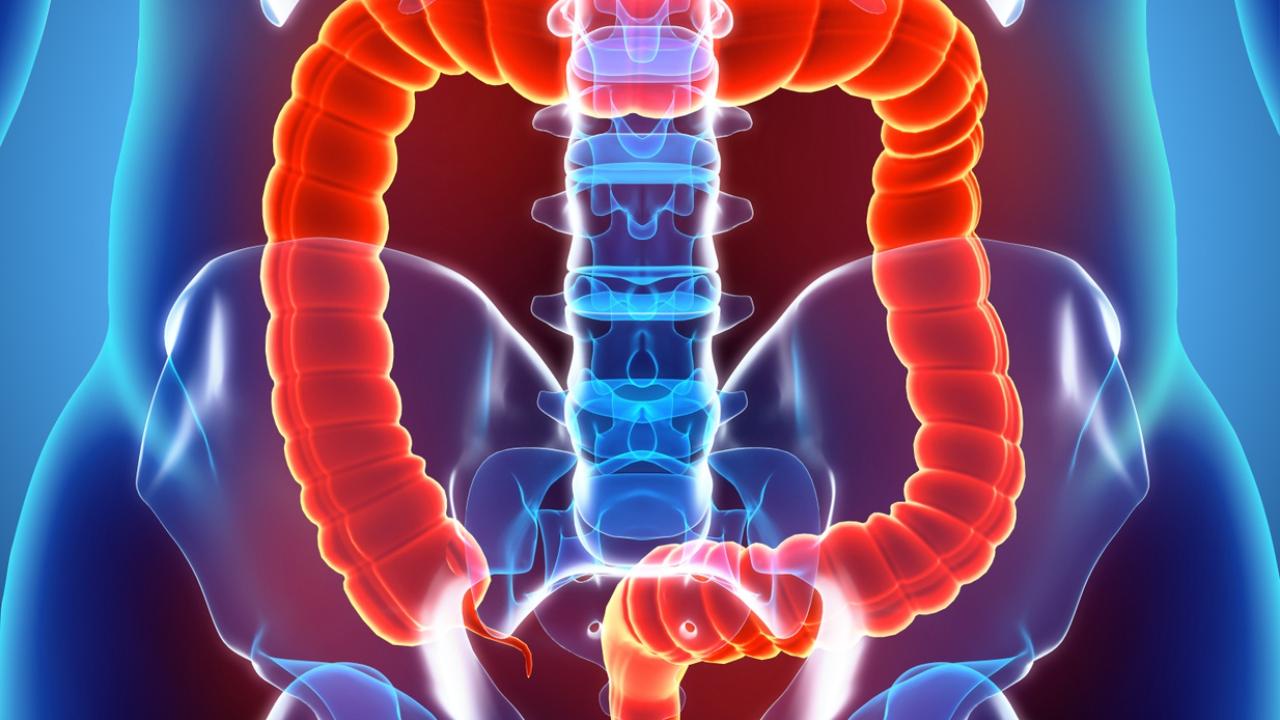
Small Intestinal Bacterial Overgrowth, commonly known as SIBO, is a digestive condition involving excessive bacterial growth in the small intestine. It can cause bloating, gas, abdominal discomfort, and changes in bowel habits.
One of the most common questions people ask after experiencing these symptoms is how long SIBO can last without treatment. The answer depends on the individual and the factors contributing to bacterial overgrowth.
How Long Can SIBO Last Untreated?
There is no universal timeline for untreated SIBO. Some people experience digestive symptoms for a short period, while others may have recurring problems for months or even years.
The condition may persist when factors affecting normal intestinal movement or anatomy remain unresolved.
For example, certain gastrointestinal disorders, previous abdominal surgeries, and problems with intestinal motility can increase the likelihood of bacterial overgrowth.
Why Does SIBO Sometimes Continue for Years?
The small intestine normally uses coordinated muscular movements to move food and bacteria through the digestive tract.
When this process becomes less effective, bacteria may accumulate in areas where they would not normally be present in excessive amounts.
Other factors that may contribute include:
-
Structural abnormalities in the small intestine.
-
Certain digestive disorders.
-
Previous gastrointestinal surgery.
-
Conditions that affect intestinal movement.
These factors can make recurring or persistent SIBO more likely.
Can You Have SIBO for Years Without Knowing?
Yes. Some individuals may experience mild or inconsistent symptoms without recognizing their connection to SIBO.
They may attribute bloating to particular foods, occasional diarrhea to stress, or abdominal discomfort to ordinary digestive sensitivity.
However, symptoms alone cannot confirm SIBO. Similar problems can occur with irritable bowel syndrome, food intolerances, and other gastrointestinal conditions.
Does SIBO Go Away Without Treatment?
Symptoms may improve temporarily, but that does not always mean the bacterial overgrowth has resolved.
In some cases, addressing an underlying trigger may improve the condition. However, relying on spontaneous improvement is not a dependable management strategy.
What Should You Do?
If digestive symptoms continue, discuss them with a healthcare professional. Hydrogen and methane breath tests may help evaluate suspected SIBO.
Depending on the findings, treatment may involve prescribed medication, nutritional support, and management of underlying digestive problems.
Conclusion
SIBO can last for different lengths of time depending on its cause and individual health circumstances. Rather than waiting indefinitely for symptoms to disappear, consider an appropriate medical evaluation to understand what is happening in your digestive system.
Disclaimer: This information is educational and is not a substitute for professional diagnosis or treatment.

 English
 Arabic
 French
 Spanish
 Portuguese
 Deutsch
 Turkish
 Dutch
 Italiano
 Russian
 Romaian
 Portuguese (Brazil)