


Tricompartmental Degenerative Changes: What Your Knee X-Ray Report Means
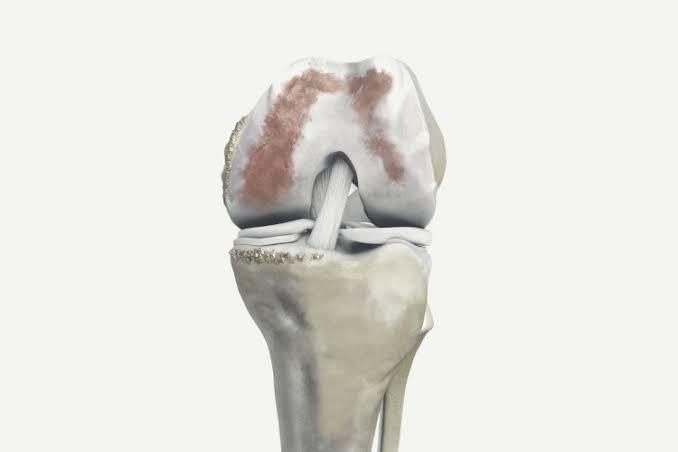
Receiving an X-ray report that mentions tricompartmental degenerative changes can be confusing, especially when you are unsure what the medical terminology means.
These findings generally describe wear-related changes affecting the three compartments of the knee. They are commonly associated with osteoarthritis, a condition involving the gradual breakdown of joint cartilage and changes in surrounding bone.
Understanding these terms can help you make sense of your imaging results and discuss appropriate care with your doctor.
What Does Tricompartmental Degenerative Disease Mean?
The knee has three compartments: medial, lateral, and patellofemoral.
Tricompartmental degenerative disease means that degenerative changes are present across all three areas.
These changes may involve cartilage thinning, bone remodeling, joint space narrowing, and osteophyte formation.
The term tricompartmental degenerative osteoarthritis is often used when these findings indicate osteoarthritis throughout the knee.
Understanding Common X-Ray Terms
Tricompartmental Joint Space Narrowing
Joint space narrowing occurs when the space between the bones becomes reduced, often because the protective cartilage has become thinner.
Tricompartmental joint space narrowing means this change is visible in all three compartments.
Tricompartmental Osteophyte Formation
Osteophytes are bony projections that develop around joint margins.
Tricompartmental osteophyte formation means bone spurs are present in multiple compartments of the knee.
Tricompartmental Arthrosis
Arthrosis is another term used to describe degenerative joint changes. Tricompartmental arthrosis indicates degenerative involvement of all three knee compartments.
Tricompartmental Chondrosis
Chondrosis describes cartilage damage or degeneration. Tricompartmental chondrosis indicates cartilage-related changes affecting all three compartments.
Tricompartmental Chondromalacia
Chondromalacia refers to cartilage softening or damage. The exact meaning depends on the location and imaging context, and it should not automatically be treated as synonymous with advanced osteoarthritis.
Does Mild Tricompartmental DJD Mean Severe Arthritis?
No. Mild tricompartmental DJD means relatively early or limited degenerative changes are present across the knee compartments.
An imaging report may mention small marginal osteophytes or mild joint space narrowing.
Some people with mild tricompartmental degenerative changes experience discomfort, while others have few noticeable symptoms.
What About Moderate or Severe Disease?
Moderate tricompartmental osteoarthritis may involve more noticeable cartilage loss, osteophytes, and joint space narrowing.
Severe tricompartmental osteoarthritis may involve extensive cartilage damage, substantial narrowing, and significant changes in the underlying bone.
However, symptoms and imaging findings do not always match perfectly.
Symptoms to Watch For
Common symptoms include:
-
Knee pain during walking.
-
Stiffness after resting.
-
Swelling around the joint.
-
Difficulty climbing stairs.
-
Reduced range of motion.
-
Grinding or clicking sensations.
A medical assessment can help determine whether these symptoms are related to osteoarthritis or another condition.
Treatment and Management
Treatment is generally based on symptoms, imaging findings, physical function, and overall health.
Options may include physical therapy, strengthening exercises, appropriate activity modification, weight management, pain-relieving medications, and selected injection treatments.
For advanced disease that significantly limits daily activities, surgical options may be discussed.
For additional information, read CMed Regen's detailed article about tricompartmental osteoarthritis symptoms, causes, and treatment.
Conclusion
Tricompartmental degenerative changes describe structural changes affecting all three areas of the knee. Terms such as osteophytes, chondrosis, arthrosis, and joint space narrowing provide additional information about the condition.
Your X-ray report should always be interpreted alongside your symptoms and physical examination.

 English
 Arabic
 French
 Portuguese
 Deutsch
 Turkish
 Dutch
 Italiano
 Russian
 Romaian
 Portuguese (Brazil)
 Greek