


Ancestry DNA Test Privacy: What Happens to Your Genetic Information?
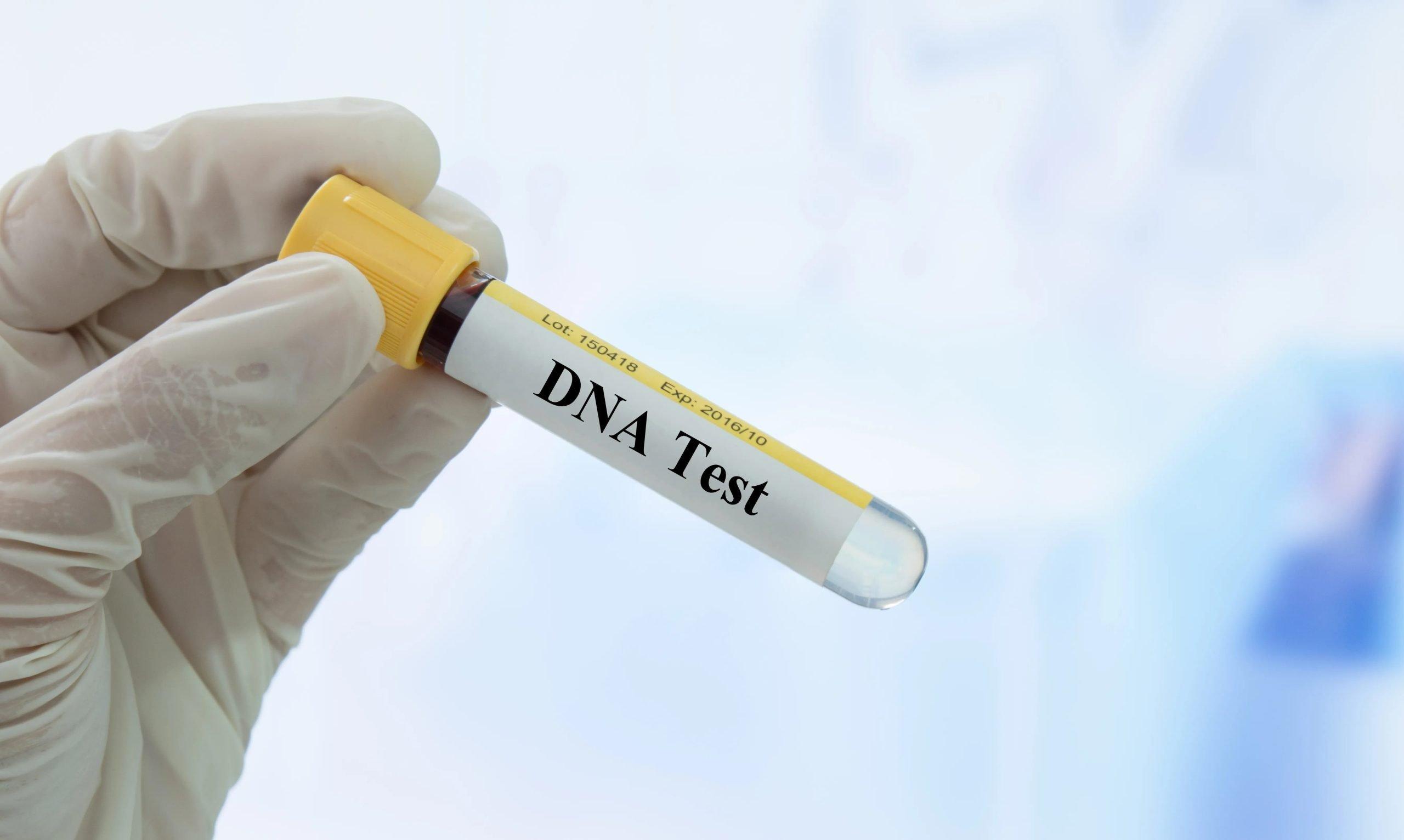
An ancestry DNA test can help you explore your family history, discover biological relatives, and learn about your genetic origins. But before sending a saliva sample or cheek swab to a testing company, it is worth asking an important question: What happens to your genetic information after the test is complete?
Your DNA contains information that is uniquely connected to you and your biological relatives. Depending on the testing service, your genetic data may be used to generate ancestry estimates, identify DNA matches, improve testing methods, or support additional research if you provide the required consent. Companies may also retain samples or genetic information according to their policies and applicable laws.
Understanding Ancestry DNA Test UAE privacy can help you make an informed decision before purchasing a kit. This guide explains how genetic information is collected, stored, shared, and protected, along with practical steps you can take to maintain control over your personal data.
From Saliva Sample to Digital DNA Profile: What Happens First?
When you order an ancestry DNA kit, the process typically begins with collecting a saliva sample or using a cheek swab. You send the sample to the company's laboratory, where DNA is extracted and analyzed.
The laboratory examines selected genetic markers relevant to the testing service. The resulting data is processed to generate information such as ethnicity estimates, potential biological relationships, and genetic communities.
During this process, several types of information may be collected:
-
Biological sample: Your saliva or cheek cells, which contain DNA.
-
Genetic data: Information generated by analyzing selected parts of your DNA.
-
Account information: Your name, email address, login details, and other registration information.
-
Family history information: Optional details about relatives, surnames, birthplaces, or family trees.
-
Usage information: Information related to how you use the company's website or application.
These categories are not identical, and each may be governed by different privacy rules.
For example, a company might remove your name from a genetic dataset while retaining the genetic information itself. This may reduce direct identification, but it does not necessarily make the information impossible to associate with a person.
The specific process depends on the provider, so reviewing its current privacy policy before submitting a sample is an important first step.
Who Can Access Your Genetic Information?
One of the most common concerns about genetic genealogy is whether other people can see your DNA results.
The answer depends on your account settings, the service's features, your consent choices, and the company's privacy practices.
DNA Matches and Other Testing Users
If you enable DNA matching, the platform may compare your genetic profile with those of other participating users. Depending on the service, your matches may see certain details, such as a display name, estimated relationship, shared DNA amount, or information you have added to a family tree.
This feature makes it possible to discover cousins and other biological relatives. However, it can also reveal unexpected family connections.
For example, someone may discover a previously unknown half-sibling or learn that a documented family relationship differs from a biological relationship.
If you prefer not to participate in relative matching, check whether the service allows you to disable matching or limit what other users can see.
Company Employees and Service Providers
Authorized employees may need access to certain information to operate the service, investigate technical problems, provide customer support, or perform laboratory-related tasks.
Companies may also use external providers for data storage, laboratory processing, security, and other business operations.
The privacy policy should explain which third parties may process your information and under what circumstances. Do not assume that every employee or contractor has unrestricted access, but recognize that access arrangements vary between providers.
Law Enforcement and Legal Requests
Another important consideration is whether genetic information could be disclosed in response to a legal request.
The rules differ by country, company, and type of request. Some providers publish policies explaining how they respond to law enforcement inquiries, whether they challenge certain requests, and whether they publish transparency reports.
Before purchasing a DNA kit, review the company's policy on government requests, subpoenas, court orders, and other legally binding demands.
Can Ancestry DNA Companies Sell or Share Your Genetic Data?
The terms selling, sharing, and using genetic information can describe different activities.
A company might share information with a laboratory to process a sample, use data to operate its ancestry service, or disclose certain information to a research partner under specific conditions. These activities are not necessarily the same as selling identifiable genetic information.
Some testing companies offer optional research participation. Depending on the program, this may involve using genetic information alongside health, ancestry, or survey data to investigate broader scientific questions.
The available choices and consent requirements differ by provider.
Before agreeing to research participation, find out:
-
Whether participation is optional.
-
What categories of information may be used.
-
Whether the data will be identifiable, coded, or de-identified.
-
Which organizations may receive or access the data.
-
Whether the company permits you to withdraw future participation.
-
What happens to information already incorporated into completed research.
Do not assume that agreeing to DNA testing automatically means agreeing to every additional research use. Read the relevant consent forms and privacy notices carefully.
It is also important to understand that withdrawing consent may not reverse work already completed or remove information that has been incorporated into published research. The provider's terms should explain these limitations.
How Secure Is Your Genetic Information?
Genetic testing companies may use measures such as encryption, access controls, authentication systems, and security monitoring to protect sensitive information.
However, no digital system can guarantee complete security. Data breaches, unauthorized account access, software vulnerabilities, and human errors remain possible risks.
The sensitivity of genetic information makes these risks particularly important. Unlike a password, your inherited DNA cannot simply be changed after a breach.
Why De-Identified DNA Data Still Requires Protection
Some companies separate genetic information from direct identifiers such as names or email addresses. This practice can reduce privacy risks, but it does not eliminate them.
Genetic data can contain patterns that distinguish one individual from another. In some circumstances, researchers may be able to connect genetic information with a person by combining it with genealogy databases, public records, or information about biological relatives.
This is one reason that de-identified genetic data should still be treated as sensitive information.
When comparing ancestry DNA testing companies, look for clear explanations of security practices, incident response procedures, data retention, and user privacy controls.
What Happens to Your DNA Sample After Testing?
Many people assume that the laboratory destroys their saliva sample immediately after generating a report. That is not necessarily the case.
Some providers retain physical samples for a defined period, while others may offer options concerning sample storage or destruction. Retention policies can vary depending on the service, laboratory requirements, and the choices available to customers.
It is important to distinguish between three things:
The physical sample: The saliva or cheek cells submitted to the laboratory.
The genetic data: The digital information generated from the sample.
The ancestry report: The ethnicity estimates, DNA matches, and other interpretations produced from the data.
Destroying a physical sample does not automatically mean that all digital genetic information has been deleted. Likewise, deleting an ancestry report from an account may not erase every underlying record held by the provider.
If sample destruction is important to you, check whether the company offers that option and whether it is separate from deleting digital data.
Can You Delete Your Ancestry DNA Data?
Many DNA testing services provide account management or privacy tools that allow users to change matching preferences, withdraw certain permissions, or request deletion of some information.
However, the scope of deletion varies. Depending on the provider and applicable law, different procedures may apply to your account, genetic data, physical sample, research participation, and records that must be retained for legal or operational reasons.
Before submitting your sample, look for clear answers to these questions:
-
Can I request deletion of my genetic data?
-
Can I request destruction of my stored biological sample?
-
Does deletion remove my DNA profile from relative matching?
-
Can research consent be withdrawn separately?
-
Are there records the company may retain after a deletion request?
-
How does the company confirm that a request has been processed?
If you have already taken a test, consult the provider's current privacy settings and official deletion instructions.
Do not assume that removing your account from a website automatically removes data held by laboratories, research partners, or other authorized recipients. The policy should explain how these situations are handled.
Why Genetic Privacy Also Matters to Your Family?
Your DNA is personal, but it also contains information about biological relatives. A DNA match may reveal connections involving parents, siblings, cousins, or previously unknown branches of a family.
This means that your decision to participate in genetic genealogy can sometimes affect other people, even if they have never taken a DNA test themselves.
For instance, a close match may allow someone to infer a biological relationship or investigate an unknown family branch. Public family trees and historical records can sometimes provide additional information that makes these connections easier to identify.
Consider the possible consequences before sharing sensitive family details publicly. When contacting unexpected relatives, use respectful language and allow them to decide whether they wish to engage.
Privacy-conscious genealogy involves balancing the benefits of family discovery with the reasonable expectations of the people connected to your family history.
Frequently Asked Questions About Ancestry DNA Test Privacy:
Is an ancestry DNA test safe to use?
An ancestry DNA test can be useful, but no service can guarantee zero privacy or security risk. Review the company's data protection practices, sample retention policy, research consent options, and account controls before participating.
Can someone steal my identity using my DNA results?
Genetic data is sensitive and may contribute to identification when combined with other information. However, the risks vary depending on the data exposed, the circumstances, and the safeguards in place. Protect your account and avoid sharing unnecessary personal information.
Does deleting my DNA account remove my genetic data?
Not always. Account deletion, genetic data deletion, physical sample destruction, and withdrawal from research may involve separate procedures. Check the provider's policy to understand what deletion covers and whether any information may legally or operationally be retained.
Should I enable DNA matching?
DNA matching can help you discover biological relatives and expand your family tree. However, it may also reveal unexpected relationships. Review the privacy options and decide whether the potential benefits align with your preferences.
Conclusion: Make an Informed Decision About Your Genetic Privacy
An ancestry DNA Lab tests can offer valuable insights into your family history, ancestral origins, and biological relationships. At the same time, the process involves sensitive information that may be stored, analyzed, compared, or shared under specific conditions.
Understanding how DNA data is collected, who may access it, how long samples are retained, and what deletion options exist can help you make a more informed choice.
Before ordering a kit, evaluate the provider's privacy policy rather than relying only on its ancestry features or marketing claims. Use strong account security, review consent options, and think carefully about whether you want to participate in DNA matching or additional research.
Ultimately, responsible genetic genealogy means exploring your family's past while making deliberate decisions about your personal information. The more clearly you understand the privacy implications, the better prepared you will be to balance the benefits of ancestry discovery with the protection of your genetic data.

 English
 Arabic
 French
 Spanish
 Portuguese
 Deutsch
 Turkish
 Dutch
 Italiano
 Russian
 Romaian
 Greek