


Choosing Aquarium Species, UV Lights and Equipment for Healthy Aquariums
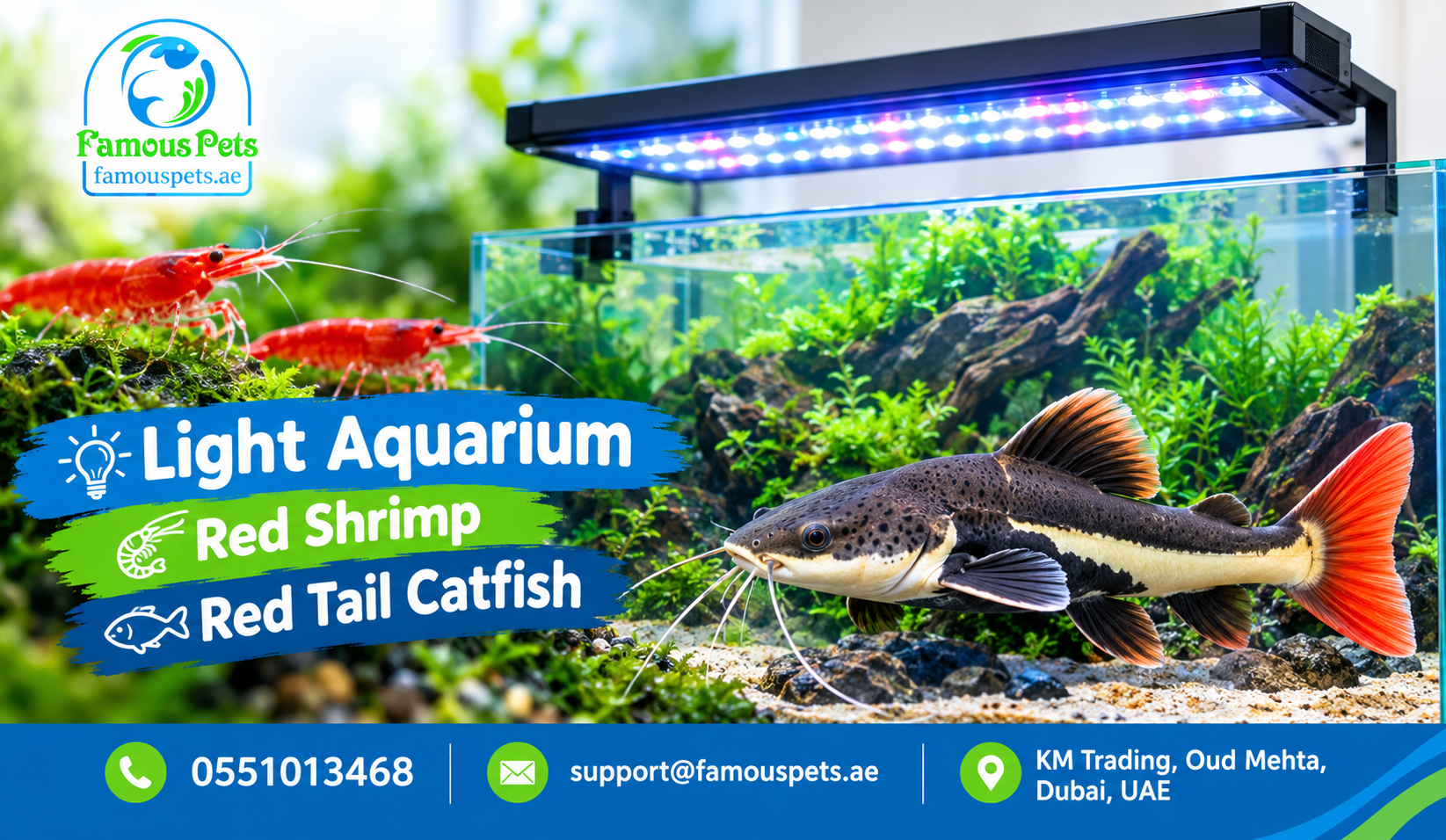
Choosing Aquarium Species and Equipment with Care
A successful aquarium starts with choosing animals and equipment that suit the available space. Fish, shrimp, and aquatic plants have different requirements for temperature, water chemistry, shelter, and feeding. Research these needs before purchasing anything, particularly when planning a mixed-species aquarium.
Consider the tank's mature capacity rather than the size of young animals at the store. Some species remain small, while others grow much larger than beginners expect. A responsible setup gives every inhabitant enough space to behave naturally and maintain good health.
Selecting Aquarium Lighting for Different Environments
Aquarium lighting affects visibility, plant growth, and the appearance of aquatic animals. Choose a fixture based on tank dimensions, plant requirements, and the type of environment you want to maintain. A consistent lighting schedule also helps prevent excessive algae growth.
An appropriate UV light aquarium setup requires attention to the equipment's purpose. Ultraviolet sterilizers differ from ordinary aquarium lights because they expose passing water to UV radiation. Their effectiveness depends on factors such as flow rate, exposure time, and correct installation. Follow the manufacturer's safety instructions and never look directly at an operating UV-C lamp.
Maintaining Clean Water and Stable Conditions
Clear water does not always indicate suitable water conditions. Fish waste, excess food, and decaying plant matter can introduce harmful substances even when the aquarium looks clean. Regular testing helps detect problems before they affect aquatic animals.
Monitor the parameters relevant to your tank, including:
- Ammonia and nitrite.
- Nitrate and pH.
- Water temperature.
- Salinity in marine aquariums.
Use test results to guide maintenance instead of changing water chemistry unnecessarily. Sudden adjustments can create additional stress.
Providing Suitable Conditions for Red Shrimp
A red shrimp can add striking colour and activity to a freshwater aquarium. Many popular red freshwater shrimp, including cherry shrimp, graze on biofilm and algae while exploring plants, decorations, and other surfaces. They generally do best in stable, mature aquariums with suitable water conditions.
Provide hiding places through moss, fine-leaved plants, and aquarium-safe decorations. Avoid introducing shrimp into tanks with fish that may eat them. Copper-containing treatments can also harm invertebrates, so check product labels carefully before using medication or fertilisers.
Choosing Compatible Tank Mates for Aquariums
Compatibility depends on more than whether two species occupy the same part of the aquarium. Differences in adult size, temperament, feeding behaviour, and water requirements can lead to stress or predation. Research each species before combining them.
Before introducing new tank mates, consider:
- Whether their temperature ranges overlap.
- Whether they require similar water chemistry.
- Whether one species may prey on another.
- Whether the aquarium provides enough territory and shelter.
Quarantine new arrivals when practical to reduce the risk of introducing parasites or disease.
Understanding the Growth Potential of Red Tail Catfish
The red tail catfish attracts attention because of its distinctive colouring and impressive growth potential. However, this species becomes extremely large and requires far more space than a typical home aquarium can provide. Its eventual size, substantial waste production, and predatory behaviour make it unsuitable for most household setups.
Do not choose this fish based on its juvenile appearance. Before considering any large species, investigate adult dimensions, tank or pond requirements, filtration needs, and local regulations. A suitable environment must accommodate the animal throughout its life, not just during its early growth.
Installing Reliable Filtration for Aquarium Health
Filtration removes suspended debris and supports beneficial bacteria that process fish waste. Select equipment according to the aquarium's volume, livestock, and waste load. A filter that works for a lightly stocked planted tank may not meet the needs of a heavily stocked aquarium.
Inspect the filter regularly for blockages, unusual noise, and reduced water flow. Clean mechanical media when needed, but preserve biological media to protect beneficial bacteria. Avoid washing biological media in untreated tap water.
Feeding Aquarium Fish and Shrimp Responsibly
Different species need different diets. Shrimp may graze on biofilm, while fish may require prepared pellets, flakes, frozen foods, or species-specific diets. Feeding the wrong food can lead to poor nutrition and unnecessary waste.
Offer appropriate portions and observe how quickly the animals eat. Remove excess food when necessary, and store products according to their instructions. Adjust feeding routines as animals grow or their activity changes.
Creating Natural Shelter with Aquatic Plants
Plants and decorations give aquatic animals places to hide, rest, and explore. Live plants can also absorb some nutrients from the water, although they cannot replace filtration or routine testing. Choose species that suit the aquarium's lighting, substrate, and water conditions.
Arrange taller plants toward the back and leave open swimming areas where needed. Secure decorations so they cannot collapse or trap animals. Inspect new plants for pests, damaged leaves, and unwanted organisms before adding them.
Controlling Temperature During Seasonal Changes
Room temperature can affect aquarium water, especially during hot weather. Sudden changes may stress fish and invertebrates, so monitor the tank with a reliable thermometer rather than relying on how the room feels.
Keep aquariums away from direct sunlight and heat-producing appliances. Check heaters, cooling fans, and their controls regularly. If the tank becomes too warm, make gradual adjustments using equipment designed for aquarium use.
Recognising Early Signs of Aquarium Stress
Changes in behaviour often provide early clues that something is wrong. Fish may breathe rapidly, hide unusually often, lose their appetite, or develop clamped fins. Shrimp may become inactive or show unusual movement when conditions deteriorate.
Check water readings and equipment first, then review recent changes to feeding, stocking, or maintenance. Avoid adding medication without understanding the likely cause. Persistent symptoms or unexplained deaths warrant advice from an aquatic animal professional.
Building a Healthier Environment for Aquatic Life
A well-planned aquarium balances appearance with animal welfare. Research adult sizes, match compatible species, maintain suitable water conditions, and choose equipment for the tank's actual requirements. These steps reduce preventable stress and make daily care more manageable.
Thoughtful planning matters more than adding more animals or accessories. When every inhabitant has suitable space, appropriate nutrition, and stable conditions, the aquarium becomes a healthier environment to observe and maintain.

 English
 Arabic
 French
 Spanish
 Portuguese
 Deutsch
 Turkish
 Dutch
 Italiano
 Russian
 Romaian
 Greek