


How Nutrition and Hydration Support Wound Healing During Home Care
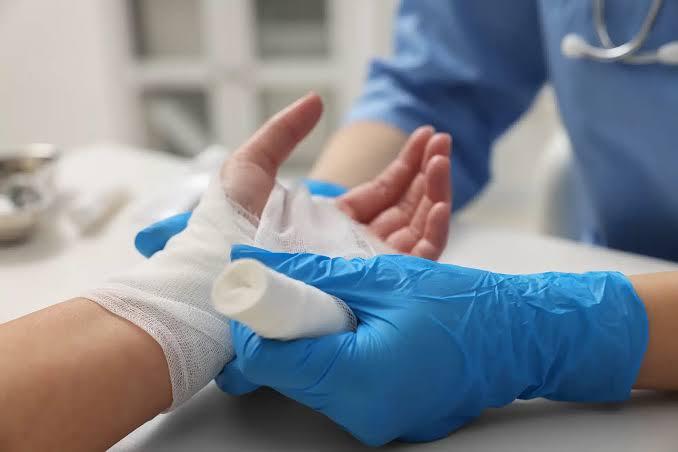
Proper wound care involves more than cleaning an injury and applying a suitable dressing. Nutrition and hydration also play important roles in helping the body repair damaged tissue and maintain healthy skin. Wound Dressing at Home in Dubai allows patients to receive professional wound care in familiar surroundings while learning how daily habits can support recovery. With guidance from qualified nurses or a Doctor at Home, patients and caregivers can understand the importance of balanced meals, adequate fluid intake, and consistent wound monitoring. Whether recovering from surgery, managing a skin injury, or living with a chronic wound, patients may benefit from addressing nutritional needs alongside their prescribed wound care plan. Individual requirements vary, particularly for people with diabetes, kidney disease, or other long-term conditions, so personalized professional advice remains important.
Understanding How Nutrition Supports Wound Healing:
The body needs energy, protein, vitamins, minerals, and other nutrients to repair damaged tissue and maintain normal immune function. During wound healing, these nutrients support the formation of new cells, collagen production, and the development of tissue that gradually closes the injured area. When a person's diet does not provide enough energy or essential nutrients, healing may be affected, particularly if the wound is large, chronic, or complicated by another health condition. Eating a balanced diet does not guarantee faster healing, but it helps provide the building blocks the body needs for recovery. Patients with poor appetite, unintentional weight loss, or difficulty eating should discuss these concerns with a healthcare professional rather than starting supplements independently. Nutritional support should complement, not replace, appropriate wound cleaning, dressing changes, and medical follow-up.
Why Protein Is Important for Tissue Repair:
Protein provides amino acids that the body uses to build and repair tissue, including collagen, which contributes to wound strength. Patients recovering from surgery, managing chronic wounds, or dealing with multiple injuries may need particular attention to their protein intake, although the right amount depends on individual health needs. Useful food sources include eggs, fish, poultry, lean meat, milk, yoghurt, beans, lentils, and other suitable plant-based protein foods. Including a source of protein in regular meals can help patients meet their nutritional needs without relying entirely on supplements. However, people with kidney disease or certain other medical conditions may need individualized protein guidance. If appetite is poor or chewing and swallowing are difficult, a healthcare professional or dietitian can help identify appropriate food options and determine whether additional nutritional support is needed.
Vitamins and Minerals That Support Skin Recovery:
Several vitamins and minerals contribute to normal tissue repair and immune function, making a varied diet an important part of recovery. Vitamin C supports collagen formation, while vitamin A plays a role in normal skin and immune function. Zinc is involved in tissue repair and many biological processes, and iron supports oxygen transport through the blood. These nutrients are found in a variety of foods, including fruits, vegetables, whole grains, beans, dairy products, meat, and seafood. However, taking high doses of vitamins or minerals does not automatically improve wound healing and may cause harm or interact with medicines when used inappropriately. Patients should focus on a balanced diet and seek professional advice if a deficiency is suspected or food intake is insufficient. Supplements should be used when clinically appropriate rather than as a substitute for wound care or varied meals.
The Role of Hydration in Wound Healing:
Adequate hydration supports circulation, helps regulate body temperature, and allows normal physiological processes to function effectively. When fluid intake is insufficient, dehydration may contribute to weakness, dizziness, and other problems that can interfere with daily care and recovery. Fluid requirements vary according to age, activity, climate, medical conditions, and medications, so patients should follow individualized recommendations rather than aiming for a fixed amount regardless of their health. In Dubai's warm climate, people may need particular awareness of fluid loss from sweating, especially during hot weather. Patients with heart failure, kidney disease, or a prescribed fluid restriction should consult their healthcare professional before increasing intake. Regularly drinking appropriate fluids throughout the day, according to clinical advice, can help support general health while the wound heals.
Foods That Can Help Support Recovery During Home Care:
A balanced eating pattern can provide the energy and nutrients needed during wound healing. Patients do not usually need a specialized diet unless their healthcare professional recommends one, but meals should include a variety of nutritious foods suited to their medical needs, cultural preferences, and appetite. Examples include:
-
Protein-rich foods: Eggs, fish, chicken, yoghurt, beans, lentils, and other suitable protein sources.
-
Fruit and vegetables: Citrus fruits, berries, peppers, leafy greens, and other colourful produce.
-
Whole grains: Oats, wholegrain bread, and brown rice for energy and additional nutrients.
-
Healthy fats: Foods such as olive oil, nuts, seeds, and avocado when suitable.
-
Appropriate fluids: Water and other drinks permitted under the patient's care plan.
Patients with diabetes should also consider the effect of meals and drinks on blood glucose levels and follow their clinician's dietary guidance. A dietitian can help patients who have restricted diets, poor appetite, or increased nutritional needs.
How Poor Nutrition May Affect Wound Healing:
Insufficient energy or nutrients can make it harder for the body to maintain normal tissue repair and immune function. Patients who eat very little, lose weight unintentionally, or have difficulty absorbing nutrients may be at greater risk of delayed healing. A wound that remains open for a long time can have many causes, including infection, poor circulation, pressure, uncontrolled blood glucose, and underlying medical conditions, so nutrition should not be assumed to be the only factor. Signs such as reduced appetite, ongoing weight loss, weakness, or difficulty preparing meals should be discussed with a healthcare professional. Older adults and patients with chronic wounds may benefit from nutritional screening and individualized advice. A balanced diet can support the overall care plan, but persistent or worsening wounds require clinical assessment to identify and address the underlying cause.
Supporting Patients With Diabetes and Other Chronic Conditions:
People with diabetes, circulation problems, kidney disease, or other chronic conditions may need a more individualized approach to nutrition and wound care. For example, persistently elevated blood glucose can interfere with wound healing, while kidney disease may affect recommendations for protein, fluids, potassium, or other nutrients. Patients should follow the advice of their treating clinician and avoid making major dietary changes or starting supplements without guidance. Regular monitoring, medication adherence, and appropriate management of underlying conditions are important alongside dressing care. Patients with foot wounds, reduced sensation, poor circulation, or wounds that are not improving should seek prompt professional assessment. A coordinated approach involving the treating clinician, nurse, and dietitian when needed can help align nutritional recommendations with medical requirements and the patient's wound care plan.
How Wound Dressing at Home in Dubai Supports Recovery:
Wound Dressing at Home in Dubai can help eligible patients receive professional wound assessment, dressing changes, and guidance on caring for the affected area between visits. During home care, qualified healthcare professionals may observe changes in the wound, review the prescribed dressing plan, and discuss practical concerns that could affect recovery, such as reduced appetite, difficulty preparing meals, or trouble maintaining the recommended routine. Patients should share information about their medical conditions, current medicines, allergies, and any dietary restrictions. Depending on their needs, they may also benefit from referral to a dietitian or other specialist. Home wound care should complement regular medical reviews and any required laboratory tests. It does not replace urgent medical attention if the wound deteriorates or signs of infection develop.
Practical Ways to Combine Nutrition With Wound Care:
Patients and caregivers can make recovery more manageable by establishing a routine that includes appropriate meals, fluids, wound protection, and follow-up care. Planning simple meals ahead of time, keeping suitable snacks available, and asking family members for assistance may help patients who feel tired or have limited mobility. Keep a record of dressing changes and report changes in wound appearance, drainage, pain, or surrounding skin to the healthcare professional. Follow the prescribed dressing schedule and avoid unapproved wound products. Seek professional advice if the patient has persistent poor appetite, swallowing difficulties, unintentional weight loss, or concerns about fluid intake. Nutrition and hydration are important parts of general recovery, but they should always be tailored to the individual's medical needs and combined with appropriate clinical wound management.
Final Thoughts
Nutrition and hydration support wound healing by providing energy, protein, fluids, and essential nutrients needed for normal tissue repair. A balanced diet, suitable fluid intake, and careful management of underlying conditions can contribute to recovery, although they cannot replace appropriate wound treatment. Wound Dressing at Home in Dubai offers eligible patients access to professional wound care and practical guidance while recovering in familiar surroundings. Patients should follow their individualized care plan, seek advice about dietary restrictions or supplements, and report wounds that are worsening or slow to heal. By combining consistent dressing care with appropriate nutrition, hydration, and medical follow-up, patients and caregivers can support a safer and more organized recovery.

 English
 Arabic
 French
 Spanish
 Portuguese
 Deutsch
 Turkish
 Dutch
 Italiano
 Russian
 Romaian
 Greek