


How Traditional Botanicals Became Part of Modern Product Formulas
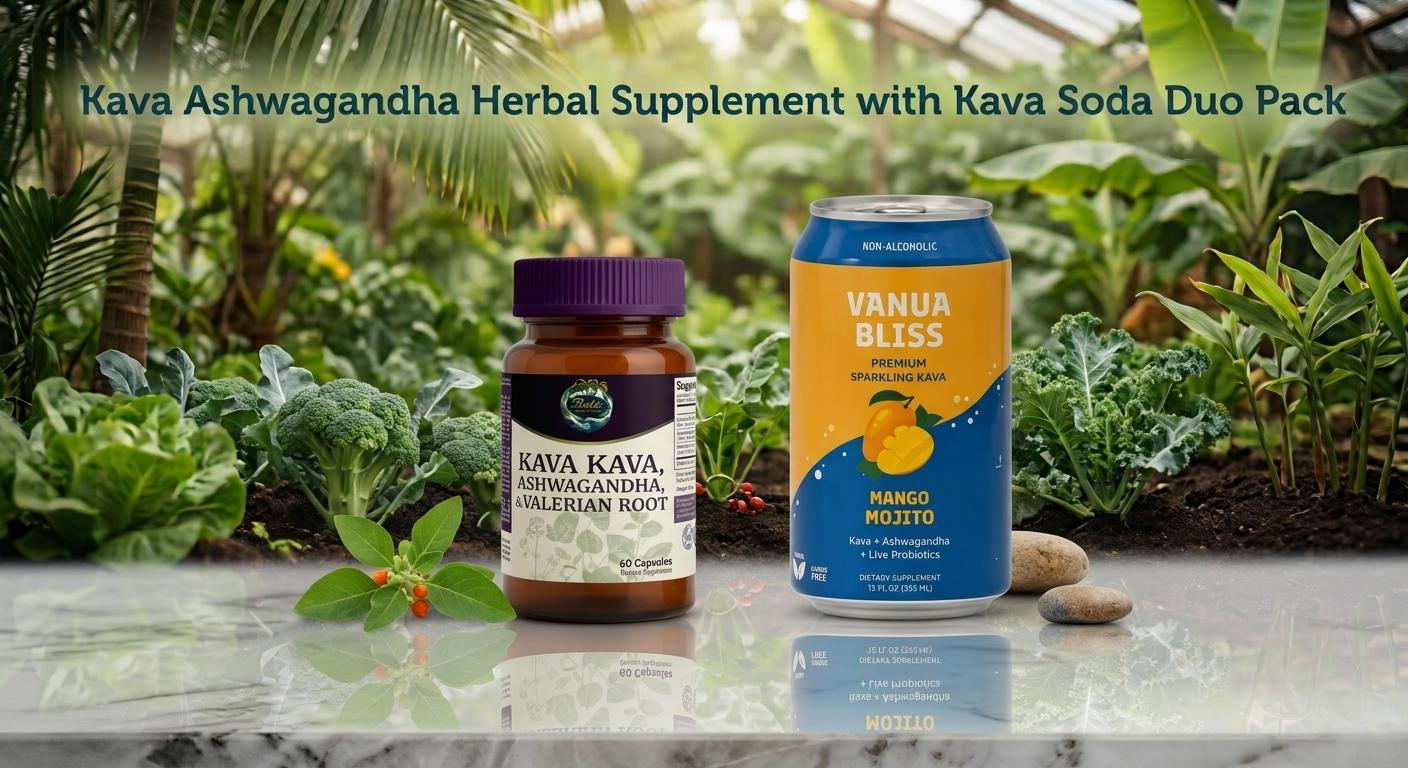
Traditional botanical ingredients have a long history in food preparation, cultural practices, and everyday routines. Today, these ingredients also appear in contemporary products designed around convenience and familiar plant-based formulations. A stress relief duo is one example of how traditional botanicals can be combined with modern product formats, bringing together herbal capsules and a ready-to-drink kava beverage in a single bundle.
The Historical Role of Botanical Ingredients
Plants have been used across different cultures for generations. Roots, leaves, flowers, and other plant parts have featured in traditional preparations, with their uses varying by region and local customs. Ginger and turmeric, for example, are widely known as culinary ingredients, while kava has a long-standing cultural history in parts of the Pacific Islands.
Traditional use does not automatically establish that an ingredient is effective or safe for every person. However, this history helps explain why botanical ingredients remain relevant in modern food, beverage, and wellness product development.
From Traditional Preparations to Modern Formats
Historically, plant ingredients were often prepared as teas, infusions, powders, or other locally familiar preparations. Modern manufacturing has introduced additional formats, including capsules, gummies, powdered blends, and canned beverages.
These formats can make products easier to store, carry, and incorporate into everyday routines. Capsules offer a measured serving format, while ready-to-drink beverages provide an alternative for people who prefer not to prepare a drink themselves.
The format does not change the need to understand the ingredients. Consumers should still review the product label, serving directions, and relevant precautions before use.
Understanding Kava in Contemporary Products
Kava is made from the root of Piper methysticum, a plant associated with traditional practices in Pacific Island communities. It is now included in certain contemporary beverages and other products.
Kava products are not interchangeable, as their ingredients, concentrations, and preparation methods may differ. A drink containing kava should therefore be evaluated according to its own label rather than assumptions based on traditional preparations.
Kava also carries important safety considerations. It has been associated with rare but serious liver injury, and it may interact with medicines or other substances that affect the central nervous system. Consumers should avoid combining kava with alcohol or sedatives and seek advice from a qualified healthcare professional before use, particularly if they take medication or have a liver condition.
The Place of Ashwagandha and Valerian Root
Ashwagandha and valerian root are two other botanicals used in some modern herbal formulations. Both have a history of use in traditional systems, but their effects, evidence, and safety considerations differ.
Ashwagandha is commonly included in herbal supplements, while valerian root is often associated with products marketed for evening routines or sleep support. Research findings vary, and neither ingredient should be treated as a guaranteed solution for stress or sleep concerns.
Potential side effects and interactions also matter. Ashwagandha may not be suitable for everyone, including some people with thyroid or autoimmune conditions, and it may interact with certain medicines. Valerian can cause drowsiness and may interact with sedating substances. Professional guidance is advisable when there are existing health concerns or regular medications involved.
Why Modern Formulas Combine Different Product Types
Some contemporary bundles bring together more than one format to offer variety. For example, the Stress Relief Duo combines kava, ashwagandha, and valerian root capsules with Vanua Bliss Kava Soda.
Such a bundle brings together a capsule product and a prepared beverage, but consumers should not assume that combining products automatically improves their effects. In this example, both products contain kava, so using them together could increase overall exposure. Consumers should check the full ingredient lists and serving information and consult a healthcare professional before combining them.
The key consideration is not simply how many products a bundle contains. It is whether each product suits the individual's circumstances and whether the combined ingredients introduce overlapping effects or risks.
Reading Labels Before Choosing Botanical Products
Product labels provide essential information for making informed choices. Before purchasing or using a botanical formula, consumers should check:
-
Ingredient lists: Review all active and inactive ingredients, including potential allergens.
-
Serving directions: Follow the manufacturer's instructions and avoid assuming that larger servings are more beneficial.
-
Warnings: Check for age restrictions, pregnancy and breastfeeding precautions, and other product-specific guidance.
-
Medication interactions: Ask a qualified healthcare professional about possible interactions with prescription or over-the-counter medicines.
-
Quality information: Look for transparent labeling and credible information about manufacturing and quality controls.
These checks are particularly important when a bundle contains multiple products with overlapping ingredients.
Balancing Tradition With Modern Safety Standards
Traditional knowledge can help explain the continued use of botanical ingredients, while modern research and manufacturing standards provide additional ways to assess products. Neither historical use nor attractive packaging should replace careful evaluation.
Consumers can take a practical approach by researching ingredients individually, reading product warnings, and discussing concerns with a healthcare professional. People who are pregnant or breastfeeding, have existing medical conditions, or take regular medication should seek professional advice before using herbal supplements.
For brands, clear labeling and responsible product information help consumers understand what a formula contains and how it should be used. Transparent communication is especially important when several botanical ingredients appear in one product or bundle.
For people interested in plant-based products, Bula Natural Living offers a range of botanical products in formats that fit different preferences. Reviewing the ingredients and precautions for each product remains an important step before making a choice.
Final Thoughts
Traditional botanicals continue to influence modern product formulas because they connect longstanding cultural practices with contemporary ways of preparing and consuming plant ingredients. Capsules, powders, and ready-to-drink beverages offer different formats, but the importance of informed use remains the same.
Understanding each ingredient, checking for overlapping components, and reviewing safety information can help consumers make more responsible decisions. A thoughtful approach places transparency and individual suitability ahead of assumptions about what a botanical product can achieve.
FAQs
1. What are traditional botanicals?
Traditional botanicals are plant-derived ingredients that have been used in cultural practices, food preparation, or traditional systems over time.
2. Why are botanicals used in modern product formulas?
They are incorporated into products such as capsules, powders, and beverages because consumers and manufacturers have an ongoing interest in plant-based ingredients and convenient formats.
3. Are all botanical ingredients safe because they are natural?
No. Natural ingredients can cause side effects, interact with medicines, or be unsuitable for certain people. Safety depends on the ingredient, dose, product quality, and individual circumstances.
4. Can different herbal products be used together?
Not always. Products may contain overlapping ingredients or substances with similar effects. Review their labels and consult a healthcare professional before combining them.
5. What should consumers check before using a botanical supplement?
Check the complete ingredient list, serving directions, warnings, quality information, and possible interactions with medicines or existing health conditions.

 English
 Arabic
 French
 Spanish
 Portuguese
 Turkish
 Dutch
 Italiano
 Russian
 Romaian
 Portuguese (Brazil)
 Greek