


What to Know About Kava Before Trying a Sparkling Beverage
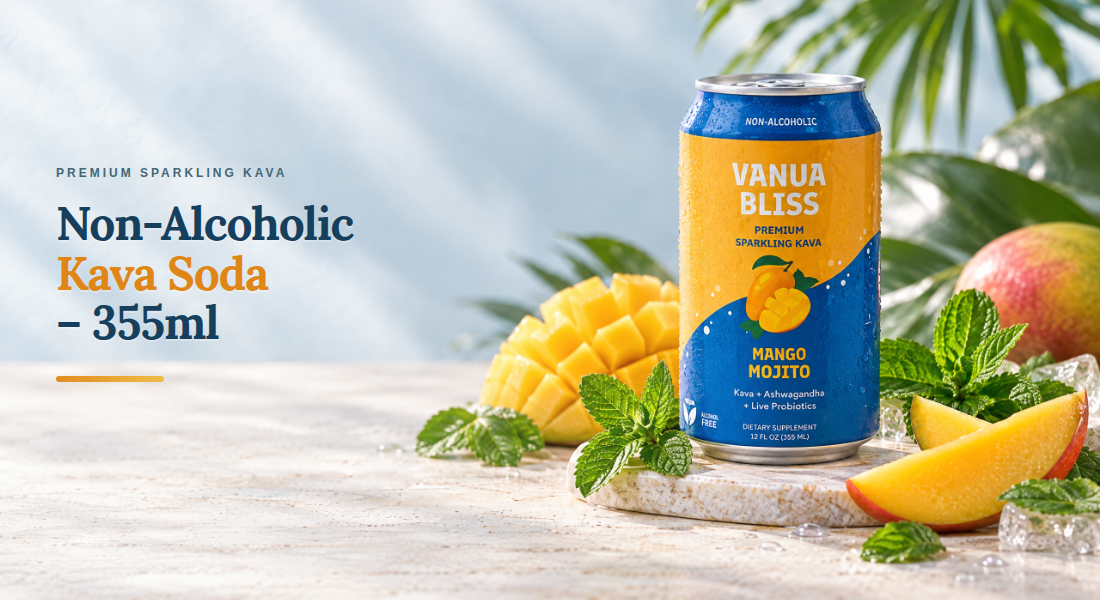
Sparkling botanical beverages are becoming an alternative for adults who want something different from traditional soft drinks. An ashwagandha drink that also contains kava offers a combination of plant ingredients in a convenient, ready-to-drink format. However, before trying one, it helps to understand kava’s cultural background, how these beverages are formulated, and what precautions consumers should consider.
Understanding Kava and Its Traditional Background
Kava comes from Piper methysticum, a plant native to the South Pacific. Its roots have been used for generations in traditional beverages associated with social gatherings, ceremonies, and community customs across Pacific Island cultures.
In Fiji and other Pacific communities, kava has cultural significance beyond its use as a drink. Modern products adapt the ingredient into different formats, including prepared beverages and capsules. Understanding this background provides useful context when choosing a contemporary kava product.
How Kava Became Part of Sparkling Beverages
Traditional kava preparation differs from the canned and bottled beverages available today. Modern manufacturers offer ready-to-drink options that combine botanical ingredients with carbonation and flavoring.
A sparkling kava beverage can appeal to people who prefer a chilled, fizzy drink rather than preparing a traditional recipe. However, the formulation matters. Products can vary in their ingredients, kava content, serving sizes, and preparation methods, so consumers should not assume that every beverage has the same composition or effects.
What to Know About Ashwagandha in a Kava Drink
Some botanical beverages combine kava with ashwagandha, a plant commonly used in traditional Ayurvedic practices. These ingredients have different histories and should not be treated as interchangeable.
An ashwagandha drink containing kava may bring several botanical ingredients together in one serving. Still, the presence of familiar herbs does not establish that a product will produce a particular result. Evidence for individual ingredients may not apply directly to a finished beverage containing multiple ingredients.
Consumers should review the complete ingredient list and serving directions rather than choosing a product based only on its marketing language.
Flavor and Format Can Shape the Experience
Taste is an important consideration when choosing a sparkling botanical beverage. Carbonation, sweetness, acidity, and added flavorings can all influence how a drink tastes.
Some products use fruit-inspired profiles to create a familiar alternative to conventional sodas. For example, Vanua Bliss Kava Soda from Bula Natural Living is presented as a non-alcoholic sparkling beverage containing kava and ashwagandha. Its listed flavor options have included Mango Mojito and Strawberry Margarita.
The best choice depends on personal taste, ingredient preferences, and the product’s specific formulation. A non-alcoholic label, however, should not be interpreted as proof that a beverage is suitable for every situation or every consumer.
Read the Label Before Opening a Can
Product labels help consumers understand what they are choosing. Before purchasing a kava-based sparkling drink, check:
-
The complete ingredient list and any listed allergens.
-
The recommended serving size and directions.
-
The amount of kava or other active ingredients, when disclosed.
-
Storage instructions and the product’s expiration date.
-
Any warnings, age restrictions, or advice about combining ingredients.
These details are especially important when comparing beverages from different manufacturers. If a label does not clearly explain the formulation or serving information, contacting the manufacturer may help clarify what the product contains.
Important Safety Considerations Before Trying Kava
Kava is not risk-free simply because it comes from a plant. The US National Center for Complementary and Integrative Health reports that kava products have been associated with rare cases of serious liver injury. Reported side effects can also include digestive discomfort, headache, and dizziness.
Kava should not be combined with alcohol or sedating substances, and it may interact with medications. People who take prescription medicines or have liver concerns should consult a qualified healthcare professional before using a kava beverage. Kava may also pose risks during pregnancy and breastfeeding.
Because formulations differ, follow the specific product label and do not assume that a smaller-looking serving is automatically safe. If you experience concerning symptoms after consuming a product, stop using it and seek appropriate medical advice.
How to Decide Whether a Botanical Beverage Suits You
Start by considering your reason for choosing the drink. You might be interested in its flavor, its sparkling format, or the cultural history of its ingredients. These are different considerations from seeking a specific health effect.
Compare the product’s ingredients with your own dietary requirements and review the safety information before trying it. If you already use herbal supplements, check for overlapping ingredients and ask a healthcare professional about possible interactions.
It is also worth remembering that a botanical beverage is not a substitute for prescribed treatment. Claims about relaxation, sleep, or other outcomes should be assessed carefully rather than accepted solely because the product contains traditional plant ingredients.
Final Thoughts
Kava-based sparkling beverages bring a traditional South Pacific ingredient into a modern drink format. Understanding kava’s background, checking product labels, and taking safety precautions can help consumers make more informed choices. Flavor and convenience may influence a purchase, but ingredient transparency and individual suitability deserve equal attention.
For readers interested in botanical beverages and other plant-based products, Bula Natural Living offers a range of wellness products, including Vanua Bliss Kava Soda. Reviewing each product’s current ingredients and directions is a practical step before deciding whether it fits your preferences.
FAQs
1. What is kava?
Kava is a plant native to the South Pacific. Its roots have a long history of use in traditional beverages and cultural gatherings.
2. Is sparkling kava soda the same as traditional kava?
No. Traditional kava is prepared using established cultural methods, while sparkling versions are commercially formulated beverages. Their ingredients and concentrations may differ.
3. Can a drink contain both kava and ashwagandha?
Yes. Some products combine both ingredients. Check the specific product label for its complete formulation and serving directions.
4. Can kava be consumed with alcohol?
Kava should not be combined with alcohol because of potential safety risks. It may also interact with sedating substances and certain medications.
5. What should I check before buying a kava beverage?
Review the ingredients, serving information, warnings, and storage directions. Consult a healthcare professional if you take medication, have liver concerns, or are unsure whether kava is appropriate for you.

 English
 Arabic
 Spanish
 Portuguese
 Deutsch
 Turkish
 Dutch
 Italiano
 Russian
 Romaian
 Portuguese (Brazil)
 Greek