


How to Maintain Consistent Growing Conditions in a 50 Foot Dome Greenhouse Kit
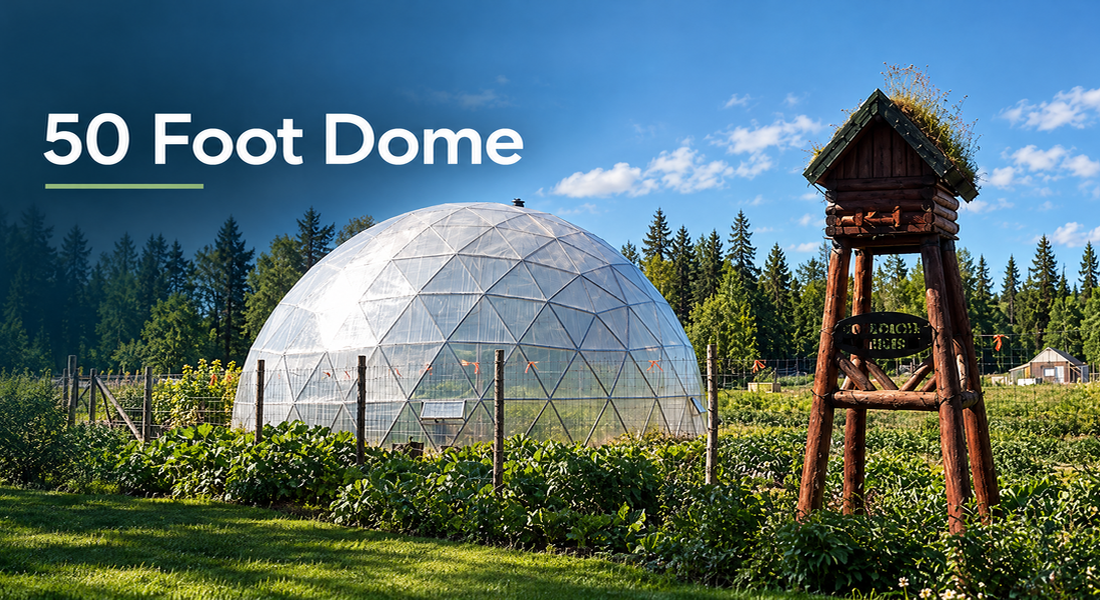
Maintaining a stable environment is an important part of successful greenhouse gardening, especially when growing different crops throughout the year. A 50 foot dome greenhouse kit provides a large growing area, but keeping temperature, humidity, moisture, and airflow balanced requires thoughtful planning. Small changes in these conditions can affect plant development, flowering, and harvest quality. With regular monitoring and practical management techniques, growers can create a more reliable environment for their plants.
1. Monitor Temperature Throughout the Day
Temperature can change considerably between morning, afternoon, and evening. Even when a greenhouse receives plenty of sunlight, excessive daytime heat may stress plants, while cold nights can slow growth.
Place a thermometer at plant height and check readings at different times of the day. Avoid relying only on outdoor temperatures because the conditions inside a greenhouse can be very different.
Use ventilation during warm periods to release trapped heat. During colder weather, consider suitable insulation or additional heating when necessary for the crops being grown. Keeping simple temperature records can also help identify recurring problems before they affect plant health.
2. Maintain Suitable Humidity Levels
Humidity influences how quickly plants lose moisture through their leaves. Excessively humid conditions can encourage fungal diseases, while very dry air may increase water loss and cause plants to wilt.
The ideal humidity level depends on the crop, its growth stage, and the temperature inside the structure. A digital hygrometer can help growers track changes and make informed adjustments.
If humidity remains high, improve airflow and avoid watering late in the day when possible. When the air becomes too dry, review irrigation frequency and consider whether additional humidity control is appropriate. The goal is to maintain conditions suited to the plants rather than applying one setting to every crop.
3. Improve Air Circulation Across Growing Areas
Air circulation helps distribute heat and moisture more evenly throughout the greenhouse. Without sufficient movement, some areas may become warmer or more humid than others, creating inconsistent growing conditions.
Arrange plants with enough space between them for air to move through the foliage. Keep pathways clear and avoid placing tall containers or stored supplies where they block airflow.
Natural ventilation through suitable openings can support air exchange. In larger growing spaces, circulation fans may help reduce stagnant areas. Position fans to move air gently around the plants instead of directing strong airflow continuously at delicate leaves.
4. Use Irrigation Practices That Support Stable Growth
Inconsistent watering can create stress even when temperature and humidity are well managed. Some plants may receive too much water while others remain dry, particularly when growing beds vary in size or soil composition.
Check soil moisture before watering rather than following a rigid schedule alone. The frequency of irrigation depends on plant type, weather, growing medium, and stage of development.
Drip irrigation can help deliver water directly to the root zone and reduce unnecessary moisture on leaves. If several crops have different water requirements, divide them into irrigation zones. This approach allows growers to adjust watering without affecting every plant in the greenhouse.
5. Manage Sunlight and Shade Carefully
Plants need adequate light for healthy growth, but the amount required varies by species. Uneven exposure can cause some beds to dry quickly while others receive less light than necessary.
Observe how sunlight moves across the growing area during the day. Place light-demanding crops where they receive sufficient exposure and position shade-tolerant plants in areas with less direct sunlight.
During particularly hot periods, suitable shade cloth may help limit heat stress. Use it according to crop requirements and seasonal conditions, since excessive shading can reduce photosynthesis and slow plant development.
6. Keep Soil Conditions Consistent
Healthy soil supports root development, nutrient uptake, and steady plant growth. However, soil conditions can differ between beds, particularly when crops have been grown in the same areas for several seasons.
Before planting, assess soil texture, drainage, and organic matter. Incorporate suitable compost when needed, and use soil testing to guide nutrient adjustments instead of applying fertilizer without knowing what the soil requires.
Raised beds and clearly defined growing zones can make soil management easier. Keep records of amendments and previous crops so that future planting decisions reflect the condition of each bed. Consistent soil care can reduce nutrient imbalances and help plants establish stronger roots.
7. Prevent Sudden Changes in Growing Conditions
Abrupt environmental changes can place stress on plants. Opening all ventilation points at once during a cold period, changing irrigation drastically, or applying excessive fertilizer may disrupt otherwise stable conditions.
Make adjustments gradually whenever practical. When introducing seedlings from another environment, acclimate them to greenhouse conditions before exposing them fully to the new setting.
A basic monitoring routine can make these changes easier to manage. Record temperature, humidity, watering, and any visible plant symptoms. Over time, these observations can reveal patterns and help growers respond to changing weather or seasonal crop needs.
8. Organize Growing Zones for Easier Management
A large greenhouse becomes easier to maintain when crops are grouped according to their environmental requirements. Plants that need similar temperatures, irrigation schedules, or light levels can be placed in the same growing zone.
Keep taller crops from unnecessarily shading shorter plants, and leave accessible paths for inspection and maintenance. Clearly defined zones also make it easier to identify where a problem begins rather than treating the entire growing area in the same way.
Regularly inspect leaves, stems, and soil for signs of pests, disease, nutrient deficiencies, or water stress. Early action can prevent a localized issue from spreading and disrupting the wider growing environment.
For growers planning a controlled and productive garden, Dome Greenhouses offers greenhouse structures that can be considered when selecting a setup suited to available space, crop needs, and long-term gardening goals.
Final Thoughts
Consistent growing conditions depend on several connected factors, including temperature, humidity, airflow, irrigation, sunlight, and soil quality. Managing these elements together helps reduce plant stress and supports more predictable growth.
A 50 foot dome greenhouse kit provides room to organize multiple crops, but its size also makes regular monitoring important. By dividing the growing area into practical zones, recording environmental changes, and adjusting conditions according to plant requirements, growers can create a healthier environment throughout the growing season.
Frequently Asked Questions
1. What conditions should be monitored inside a greenhouse?
Temperature, humidity, soil moisture, airflow, and light exposure are useful factors to monitor. The ideal ranges depend on the crops being grown and their stages of development.
2. How can temperature be controlled in a large greenhouse?
Ventilation, suitable shading, insulation, and appropriate heating can help manage temperature. Regular readings at different locations and times of day reveal where adjustments may be needed.
3. Why is airflow important for greenhouse plants?
Air movement helps distribute heat and moisture, reduces stagnant conditions, and allows foliage to dry more effectively. Good circulation can also support healthier plant development.
4. How often should plants in a greenhouse be watered?
Watering frequency depends on crop type, soil moisture, temperature, and weather. Checking the root zone before watering is generally more reliable than using the same schedule every day.
5. How can different crops grow successfully in one greenhouse?
Group crops with similar light, temperature, and water requirements into separate zones. This makes it easier to adjust irrigation and environmental conditions for each group without disrupting the others.

 Arabic
 French
 Spanish
 Portuguese
 Deutsch
 Turkish
 Dutch
 Italiano
 Russian
 Romaian
 Portuguese (Brazil)
 Greek