


Tips for Managing Drainage in a 50x100 Farm Greenhouse
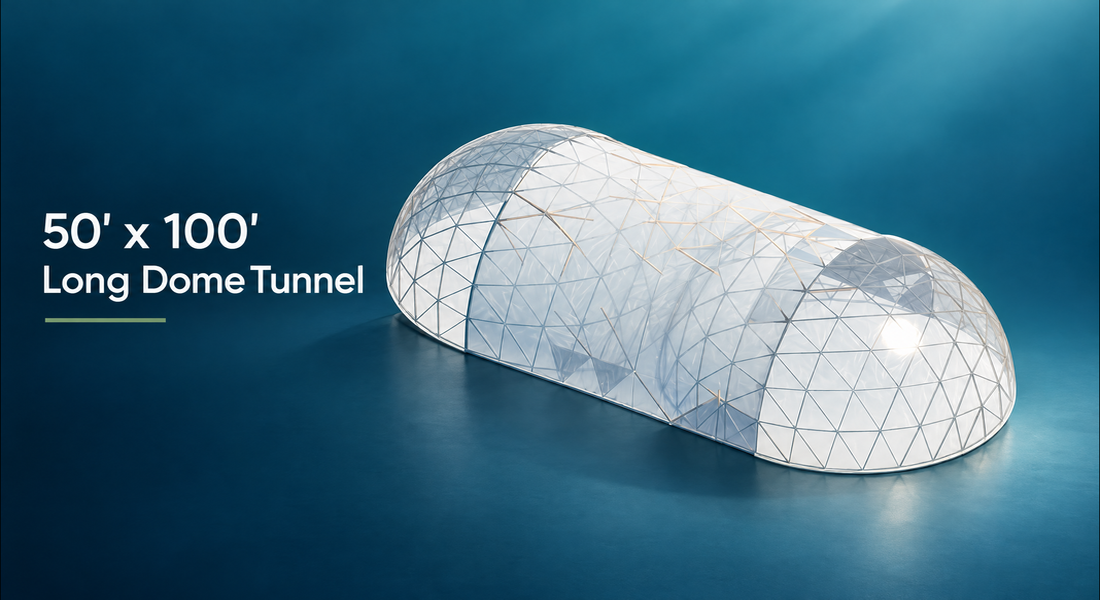
Good drainage helps protect plant roots, maintain soil structure, and support consistent crop growth. In a 50x100 farm greenhouse, managing water across a large growing area requires careful planning because excess moisture can affect multiple beds if it is not directed away effectively. By preparing the site properly, monitoring soil conditions, and maintaining irrigation systems, growers can reduce waterlogging and create a healthier growing environment.
1. Assess the Site Before Planting
Drainage planning should begin before beds and irrigation systems are installed. Observe the site after rainfall or watering to identify areas where water collects, flows slowly, or remains near the surface.
Check the natural slope of the land and note any low spots that could direct water toward the greenhouse. Soil texture also matters: clay-heavy soil often drains more slowly than sandy soil, while compacted ground can restrict water movement.
If drainage problems are already present, address them before establishing permanent planting beds. A site assessment helps determine whether surface grading, improved soil structure, or a dedicated drainage system may be necessary.
2. Prepare Raised Beds Where Appropriate
Raised beds can help separate plant root zones from areas where excess water accumulates. They are especially useful when the native soil drains slowly or the site experiences occasional waterlogging.
Build beds with enough height and width for the crops being grown, while keeping paths accessible for routine maintenance. Use suitable soil and mature compost to support a stable growing medium, but avoid assuming that adding organic matter alone will correct severe drainage problems.
In a 50x100 farm greenhouse, consistent bed dimensions can simplify irrigation planning and make it easier to monitor water movement across different sections.
3. Avoid Soil Compaction
Compacted soil contains fewer large pores through which water and air can move. Heavy foot traffic, machinery, and working soil while it is wet can gradually reduce drainage and restrict root development.
Keep workers and equipment on designated pathways rather than walking across planting beds. Avoid cultivating wet soil because it can compress and form dense clods when handled under unsuitable conditions.
If compaction is suspected, assess the affected area before using cultivation equipment. The appropriate remedy depends on soil type, compaction depth, and the growing system. Preventing repeated pressure on the beds is often easier than correcting established compaction.
4. Design Irrigation to Match Soil Conditions
Excess irrigation is a common cause of drainage problems. Applying more water than the root zone can hold may leave soil saturated and move nutrients below the area where plants can absorb them.
Check soil moisture before watering and adjust the schedule according to crop needs, temperature, and soil texture. Drip irrigation can deliver water near plant roots, but its flow rate and operating duration still need to match the soil's ability to absorb moisture.
For a 50x100 farm greenhouse, divide the growing area into manageable irrigation zones where practical. This allows different crops or soil sections to receive suitable amounts of water instead of applying the same schedule everywhere.
5. Plan Walkways and Surface Water Flow
Walkways should remain accessible without becoming channels that direct water toward planting beds or greenhouse entrances. Observe where irrigation runoff travels and correct areas where water collects.
Maintain suitable surface grading around the structure so that external runoff is directed away from the growing area. Keep entrances and pathways free of debris that could block water movement.
Where surface drainage channels are appropriate, design them to move water safely toward a suitable outlet. Avoid directing runoff onto neighboring property or into locations where it could create erosion or flooding.
Large growing areas benefit from a clear drainage plan because a small low spot can become a recurring problem after repeated watering or rainfall.
6. Consider Drainage Pipes for Persistent Problems
Some sites require subsurface drainage to remove excess water from below the soil surface. Perforated drainage pipes, properly designed trenches, and suitable drainage materials may help when high groundwater or poorly draining soil causes persistent saturation.
The system must be designed around soil conditions, water volume, outlet location, and local requirements. Installing pipes without understanding the source of the water may not resolve the underlying problem.
If standing water continues despite improved irrigation and surface grading, consider consulting a qualified drainage professional. They can assess whether subsurface drainage is appropriate and help avoid problems such as blocked outlets or poorly placed pipes.
7. Monitor Soil Moisture and Root Health
Regular monitoring helps identify drainage issues before crops experience significant stress. Look for water that remains on the surface long after irrigation, persistently wet patches, algae growth, or soil that stays saturated between watering sessions.
Plants may also show signs of root stress, including yellowing leaves, slow growth, or wilting despite wet soil. These symptoms can have several causes, so inspect the growing conditions rather than assuming that more water or fertilizer is needed.
Use a soil probe or moisture meter to compare conditions across different beds. Keep records of areas that repeatedly remain wet and adjust irrigation or drainage practices based on the results.
8. Maintain Drainage Features Throughout the Season
Drainage systems need regular inspection to remain effective. Remove debris from channels, check accessible outlets, and inspect irrigation equipment for leaks that could saturate nearby soil.
After heavy rain or significant irrigation changes, review areas that previously had drainage problems. Soil can settle over time, while sediment and plant debris may obstruct water movement.
At the end of each growing cycle, inspect beds and pathways before preparing for the next crop. Early maintenance can prevent minor drainage problems from disrupting planting and harvesting later.
Growers planning a large growing structure can review the options available from Dome Greenhouses and consider how site preparation, bed layout, and water management can work together.
Final Thoughts
Effective drainage management starts with understanding the site, preventing soil compaction, and controlling how much water enters the growing area. Raised beds, carefully planned irrigation, suitable surface grading, and regular inspections can help protect root zones from excess moisture.
A 50x100 farm greenhouse benefits from a drainage plan that accounts for soil type, site slope, crop requirements, and water outlets. By addressing recurring wet areas early and maintaining drainage features throughout the season, growers can create more reliable conditions for crop production.
Frequently Asked Questions
1. Why is drainage important in a farm greenhouse?
Good drainage prevents prolonged soil saturation, supports root-zone oxygen, and helps reduce conditions that contribute to root diseases and nutrient loss.
2. Can raised beds solve all greenhouse drainage problems?
No. Raised beds can improve root-zone conditions, but persistent groundwater, severe compaction, or poor site grading may require additional drainage measures.
3. How can I tell if my greenhouse soil drains poorly?
Look for standing water, persistently saturated soil, slow water absorption, and plants showing stress despite wet conditions. Comparing different areas can help identify problem spots.
4. Is drip irrigation useful for drainage management?
Yes. Drip irrigation can reduce unnecessary water application by delivering moisture near plant roots. It still needs correct flow rates and schedules to prevent saturation.
5. When should I install a greenhouse drainage system?
Address drainage during site preparation whenever possible. If waterlogging persists after correcting irrigation and surface-flow issues, assess whether a professionally designed drainage system is needed.

 English
 Arabic
 French
 Spanish
 Portuguese
 Deutsch
 Turkish
 Italiano
 Russian
 Romaian
 Portuguese (Brazil)
 Greek