


What Should Buyers Check in a Compact CNC Lathe?
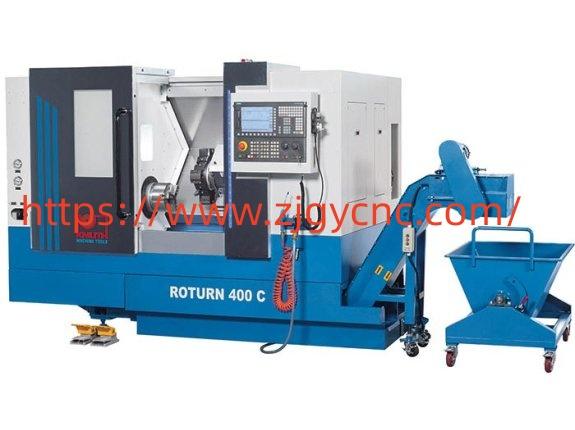
Compact CNC Lathe selection should begin with a clear understanding of workshop space, workpiece dimensions, material types, and expected production volume. A smaller machine may suit workshops producing small components, prototypes, or precision-turned parts, provided its working capacity matches the intended tasks. Before requesting a quotation, buyers should define their machining requirements and compare equipment specifications with their daily production needs.
Measure the Available Workshop Space
Floor space is often a key consideration when choosing turning equipment. However, the machine footprint is only part of the calculation. Buyers should also account for door movement, operator access, material loading, electrical connections, coolant equipment, and maintenance clearance.
Prepare a simple layout of the intended installation area before discussing models with a supplier. Check the machine dimensions against the available space and leave room for operators to load components, inspect finished parts, and perform routine cleaning.
It is also worth considering how the equipment will fit into the existing production line. If operators need to move between several machines, the layout should support safe movement and convenient access to tools and materials. A suitable installation plan can help reduce unnecessary workshop adjustments after delivery.
Confirm the Workpiece Capacity
A small machine does not automatically mean that it can handle every component. Buyers should check the maximum turning diameter, machining length, spindle bore, chuck dimensions, and workholding arrangements.
Start by listing the parts your workshop produces regularly. Include their dimensions, weights, materials, and clamping requirements. If the product range contains several different component sizes, identify the largest workpiece and the smallest feature that requires accurate machining.
These details help determine whether the available working envelope is appropriate. Buyers should also consider future orders rather than focusing exclusively on current jobs. A machine that accommodates the planned product range can offer greater flexibility as customer requirements change.
Match Spindle Specifications to Materials
Spindle speed, power, and torque influence the cutting conditions available for different materials. Aluminum components may require different operating parameters from steel parts, while workpiece geometry can also affect tooling choices and cutting loads.
Instead of comparing maximum spindle speed alone, buyers should ask how spindle specifications relate to their intended applications. Discuss typical cutting depths, required surface finishes, material hardness, and production cycle expectations with the manufacturer.
Workholding deserves equal attention. The chuck and clamping arrangement should hold the workpiece securely throughout the machining process. For parts that require repeated loading, convenient clamping and consistent positioning can also influence setup time and production workflow.
Review Tooling and Control Compatibility
The number and type of tools required for a component can affect equipment configuration. Buyers should identify whether their parts involve external turning, facing, boring, grooving, threading, or drilling. The proposed tool arrangement should accommodate the operations without creating unnecessary manual changes.
Control compatibility is another practical factor. Operators need a programming environment they can use confidently, with functions appropriate to their machining tasks. Before ordering, confirm the control model, program input methods, available technical documentation, and training arrangements.
For workshops introducing automated equipment for the first time, straightforward setup procedures and accessible operating instructions can make the transition easier. Buyers should also ask whether the supplier can provide guidance on commissioning and basic troubleshooting.
Examine Accuracy, Chip Handling, and Maintenance
Accuracy requirements should be based on finished component drawings. Ask the supplier how positioning accuracy and repeatability are specified and whether inspection records or sample machining tests are available. When tolerances are important, provide a representative drawing and discuss how the finished part will be measured.
Chip management should also be considered before purchase. Different materials and cutting conditions produce different chip shapes, so the enclosure, coolant delivery, and chip collection arrangements should suit the intended work. Convenient access for cleaning helps operators maintain an orderly working area.
Routine maintenance can affect machine availability over time. Review lubrication requirements, inspection intervals, replacement parts, and access to service assistance. Buyers should clarify warranty terms and technical support arrangements rather than evaluating the purchase price alone.
Compare the Complete Investment
The equipment budget should include more than the initial quotation. Buyers may also need to account for tooling, workholding accessories, transportation, installation, operator training, consumables, and routine servicing.
Production volume can help determine which optional features are worthwhile. A workshop handling short runs may value flexible setup and easy changeovers, while repeated production of the same component may benefit from suitable loading accessories. Optional functions should be selected according to a clear operational need.
Before making a purchasing decision, request a detailed specification sheet and confirm which accessories are included. Comparing quotations on the same technical basis makes it easier to identify differences in configuration, support, and expected operating requirements.At zjgycnc, buyers can begin discussions by preparing component drawings, material information, tolerance targets, and estimated output. Visit https://www.zjgycnc.com/ to review the company and its machine tool offerings, then contact the manufacturer to discuss whether the available configuration matches your workshop layout and machining plans.

 English
 Arabic
 French
 Spanish
 Deutsch
 Turkish
 Dutch
 Italiano
 Russian
 Romaian
 Portuguese (Brazil)
 Greek