


Glutathione Injections for Skin: What Results Can You Expect?
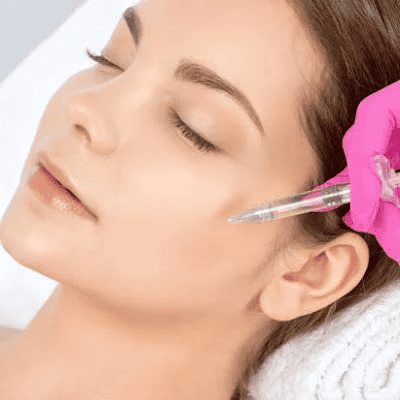
Glutathione Injections have gained attention among people seeking brighter-looking skin, a more even complexion, and a refreshed appearance. Often discussed in aesthetic and skincare settings, glutathione is a naturally occurring antioxidant that helps protect cells from oxidative stress. Its role in the body has led to interest in whether increasing glutathione levels through injections can also influence skin tone and overall skin health.
However, the results are not as straightforward as some beauty claims suggest. While glutathione plays an important role in normal cellular functions, scientific evidence supporting injectable glutathione as a skin-lightening treatment remains limited. Results can vary from person to person, and potential health risks deserve careful consideration before treatment.
Understanding how glutathione works, what research suggests, and what realistic outcomes look like can help individuals make informed decisions. Rather than expecting dramatic or guaranteed changes, it is important to approach this treatment with balanced expectations and professional medical guidance.
1. What Are Glutathione Injections and How Do They Work?
Glutathione is an antioxidant made naturally by the body from three amino acids: glutamate, cysteine, and glycine. It is present in many tissues and supports several essential processes, including protecting cells against oxidative damage, maintaining the balance of other antioxidants, and assisting the body's natural detoxification pathways.
Glutathione injections deliver the substance into the body through an injection, sometimes intravenously. This method has attracted interest because it bypasses the digestive system, although that does not automatically mean it is more effective or safer than other approaches.
In skincare discussions, glutathione is frequently associated with melanin, the pigment responsible for skin, hair, and eye color. Some laboratory research suggests that glutathione may influence pathways involved in melanin production. However, these biological effects do not establish that injections will reliably produce visible skin lightening in humans.
It is also important to distinguish between a naturally occurring antioxidant and an approved treatment for a particular cosmetic concern. A substance can have useful functions in the body without having sufficient evidence to support every advertised use.
2. What Skin Results Can You Expect From Glutathione Injections?
The expected results are one of the biggest reasons people research glutathione injections. Some individuals hope to achieve a brighter complexion, reduce the appearance of uneven pigmentation, or improve the overall appearance of their skin. However, these outcomes are not guaranteed.
A brighter-looking complexion: Some people report that their skin appears fresher or brighter after treatment. At present, evidence is insufficient to establish how consistently injectable glutathione produces this effect or how much of the reported change is directly attributable to the injections.
A more even-looking skin tone: People with uneven pigmentation may hope that glutathione will help create a more uniform complexion. However, pigmentation can result from several different conditions, including sun exposure, melasma, post-inflammatory hyperpigmentation, and certain medications. Glutathione injections are not an established first-line treatment for these concerns.
Changes in skin pigmentation: Glutathione has been investigated for its potential influence on melanin production. Nevertheless, available research does not provide strong enough evidence to predict the degree of skin lightening, the number of treatments required, or how long any change might last.
General skin appearance: Healthy skin depends on several factors, including hydration, sun protection, nutrition, sleep, and the management of underlying skin conditions. Although glutathione contributes to antioxidant defenses, there is not enough reliable evidence to conclude that injections consistently improve skin texture, elasticity, or visible signs of aging.
The most realistic expectation is that the outcome remains uncertain. Dramatic before-and-after photographs, promotional testimonials, and promises of permanent fairness should not be treated as proof of effectiveness. Natural skin tone also varies widely, and no cosmetic treatment can guarantee a particular complexion.
3. How Long Does It Take to See Results From Glutathione Injections?
There is no scientifically established timeline for visible skin changes from glutathione injections. Some promotional materials describe results appearing after several sessions, but such claims should not be confused with a reliable medical guideline.
The timing and extent of any reported change may depend on several factors:
-
The underlying skin concern: Sun-related pigmentation, melasma, and marks left after acne have different causes and may respond differently to treatment.
-
Individual biology: Natural pigment production, skin type, general health, and other biological factors can influence the appearance of the skin.
-
Sun exposure: Ultraviolet radiation can stimulate pigmentation and make existing dark spots more noticeable.
-
Other skincare practices: Sunscreen, moisturizers, and appropriate treatments for specific skin conditions may influence the skin's appearance independently of glutathione.
-
Treatment quality and safety: The product used, its source, and the way it is administered can affect safety, but they do not guarantee cosmetic results.
There is also no well-established maintenance schedule or proven duration of effect for injectable glutathione used for skin lightening. Repeated injections should not be assumed necessary or beneficial simply because a treatment provider recommends a package of sessions.
A cautious approach involves evaluating the reason for treatment, reviewing the available evidence, and discussing measurable goals with a qualified healthcare professional before proceeding.
4. Potential Benefits, Risks, and Side Effects of Glutathione Injections
Glutathione has a genuine biological role as an antioxidant. It helps protect cells from oxidative stress and supports normal cellular processes. However, these established functions do not mean that injecting additional glutathione will necessarily improve skin health or produce a visible cosmetic benefit.
The distinction between biological activity and proven clinical effectiveness is particularly important when a treatment is promoted for aesthetic purposes.
Possible side effects and health risks
Glutathione injections may cause unwanted effects, and the risks can vary depending on the product, dose, route of administration, and individual health circumstances. Potential concerns include:
-
Pain, redness, swelling, or irritation at the injection site.
-
Allergic reactions, which can occasionally be serious.
-
Infection or other complications associated with injections prepared or administered under unsuitable conditions.
-
Potential organ-related complications, including concerns involving the liver or kidneys, although the frequency and relationship to specific glutathione regimens are not well established.
-
Risks associated with contaminated, improperly stored, or unregulated products.
Intravenous administration also carries risks that are not present with ordinary topical skincare, including complications related to the infusion process. The long-term safety of repeated glutathione injections for cosmetic skin lightening has not been adequately established.
Regulatory status matters as well. Approval for a medical indication in one country does not establish approval for cosmetic skin lightening elsewhere. People should verify the status of the specific product with their local medicines regulator rather than relying on advertising claims.
Anyone considering treatment should disclose existing medical conditions, allergies, pregnancy or breastfeeding status, and current medications to a qualified healthcare professional. Urgent medical attention is warranted if a person develops breathing difficulties, facial or throat swelling, fainting, or another severe reaction after an injection.
5. Who Should Consider Glutathione Injections, and What Are the Alternatives?
Glutathione injections should not be viewed as a routine solution for everyone seeking brighter skin. Because evidence of cosmetic effectiveness is limited and important safety questions remain, a healthcare professional should assess whether the proposed treatment is appropriate before any injection is administered.
People with persistent pigmentation may benefit more from identifying the underlying cause than from trying a general skin-lightening treatment. For example, melasma may be influenced by hormones and sunlight, while post-inflammatory hyperpigmentation can follow acne, eczema, or skin irritation. Each condition may require a different management strategy.
Safer, better-established skincare measures can often help improve the appearance of uneven skin tone.
Daily broad-spectrum sunscreen: A sunscreen with SPF 30 or higher helps protect against ultraviolet radiation and can prevent existing pigmentation from becoming darker. Reapplication during outdoor exposure and protective clothing can provide additional benefits.
Evidence-based topical ingredients: Depending on the condition and individual suitability, ingredients such as niacinamide, azelaic acid, retinoids, or vitamin C may help address certain pigmentation concerns. Hydroquinone may be appropriate in selected cases under professional guidance. Some ingredients can irritate the skin, so introducing them gradually and following suitable instructions is important.
Professional assessment of pigmentation: Persistent, changing, or unexplained dark patches deserve evaluation. Appropriate treatment may involve prescription products or selected procedures, depending on the diagnosis and skin type.
Consistent skincare habits: Gentle cleansing, regular moisturizing, avoiding unnecessary irritation, and maintaining a balanced diet support overall skin health. These habits cannot change a person's natural skin color, but they can help the skin look healthier and reduce preventable damage.
Oral glutathione supplements are sometimes promoted as an alternative, but evidence for their cosmetic benefits is also limited, and they should not be assumed to provide a reliable or risk-free solution.
The most useful approach is to focus on the actual skin concern rather than a promise of rapid whitening. A treatment plan based on diagnosis, realistic expectations, and safety is more dependable than relying on unverified cosmetic claims.
6. How to Make an Informed Decision Before Treatment
Before choosing glutathione injections, prospective patients should ask clear questions about the treatment's purpose, supporting evidence, possible side effects, and regulatory status. A qualified healthcare professional should explain whether the proposed use is appropriate and discuss alternatives with better-established evidence.
It is reasonable to ask what is known about the product's quality, how it will be administered, what complications could occur, and how an adverse reaction would be managed. The source of the product and the qualifications of the person administering it are also important considerations.
People should be cautious of claims promising permanent fairness, guaranteed results, instant transformation, or complete removal of pigmentation. Such promises go beyond what current evidence can reliably support. A series of injections should not be started simply because a promotional offer is available or because another person reports a positive experience.
It is also helpful to define success in practical terms. Someone concerned about acne marks may benefit from a plan targeting those marks, while someone with sun-related pigmentation may need consistent photoprotection and a different treatment strategy. Addressing the underlying concern is often more useful than pursuing an undefined goal of overall skin lightening.
Ultimately, glutathione injections remain an uncertain option for cosmetic skin lightening. Careful evaluation, transparent discussion of risks, and consideration of established alternatives can help people make decisions that prioritize long-term skin health over quick cosmetic promises.
Frequently Asked Questions
1. Are glutathione injections effective for skin whitening?
Evidence supporting glutathione injections for skin whitening is limited. Some individuals report a brighter complexion, but research has not established a consistent, predictable, or lasting skin-lightening effect. Results should not be guaranteed.
2. How many glutathione injections are needed to see results?
There is no scientifically established number of injections required to achieve visible cosmetic results. Treatment schedules promoted online or by providers should not be interpreted as evidence-based recommendations. Repeated injections also introduce additional exposure to potential risks.
3. How long do the effects of glutathione injections last?
The duration of any skin-lightening effect has not been reliably established. There is insufficient evidence to determine whether changes persist after treatment stops or whether maintenance injections provide meaningful benefits.
4. Are glutathione injections safe for everyone?
No. Safety depends on individual health circumstances, product quality, dosage, and administration. Allergic reactions, injection-related infections, and other complications are possible. Anyone considering treatment should discuss personal risks with a qualified healthcare professional.
5. Can glutathione injections remove dark spots and melasma?
Glutathione injections are not an established first-line treatment for melasma or other pigmentation disorders. The most appropriate treatment depends on the cause of the pigmentation, and a professional assessment can help identify evidence-based options.
6. What is a safer alternative to glutathione injections for brighter skin?
Daily broad-spectrum sunscreen, suitable topical ingredients, gentle skincare, and treatment tailored to the underlying pigmentation concern are useful starting points. A healthcare professional can recommend appropriate options based on skin type, sensitivity, and medical history.
Read More About Glutathione Injections: https://drukarnia.com.ua/articles/are-glutathione-injections-safe-for-long-term-use-EBiTw

 English
 Arabic
 French
 Spanish
 Portuguese
 Turkish
 Dutch
 Italiano
 Russian
 Romaian
 Portuguese (Brazil)
 Greek