


Home Disaster Recovery: What to Expect From Restoration Experts
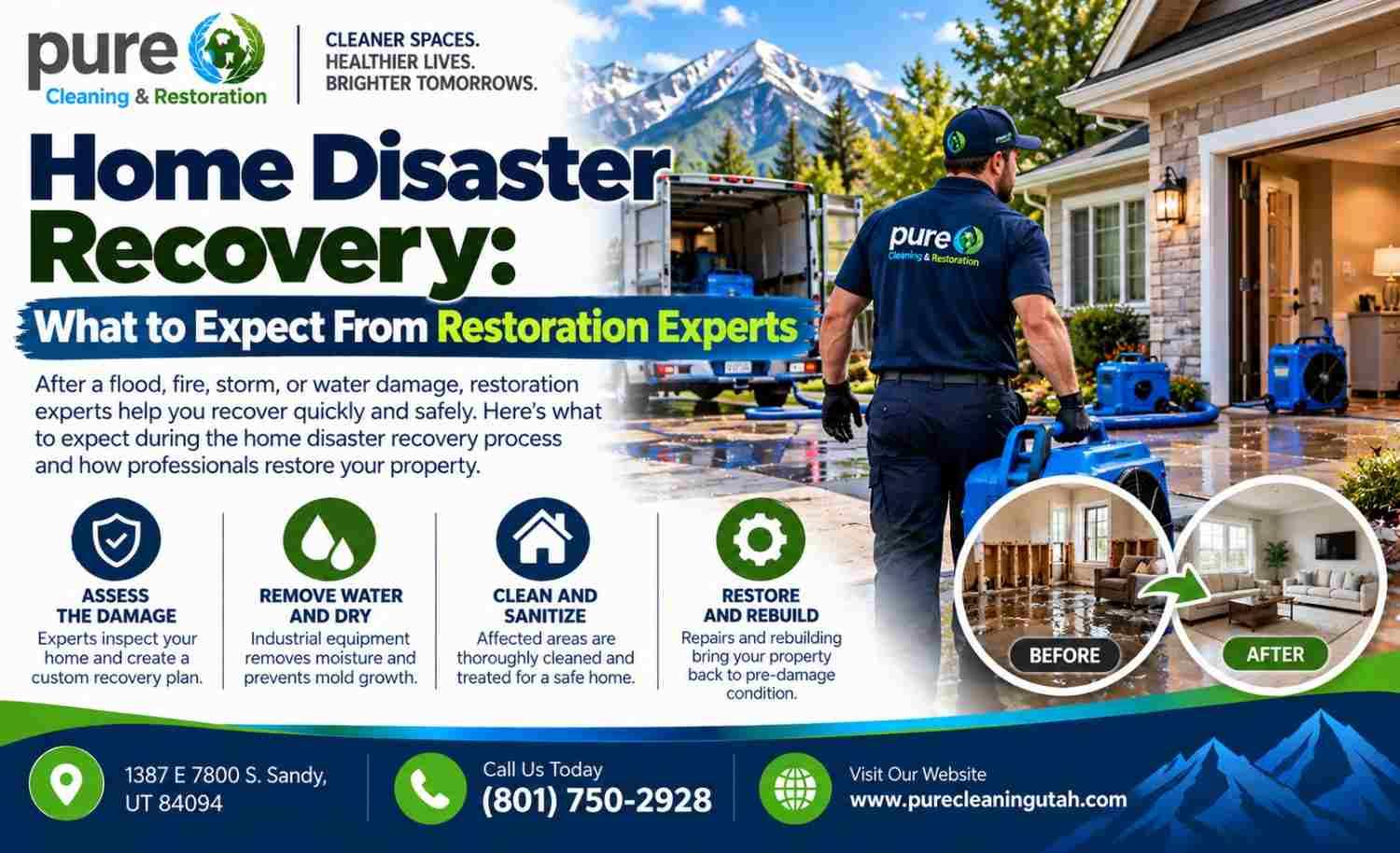
Property damage can happen when you least expect it. A burst pipe, kitchen fire, heavy storm, or hidden leak can quickly turn a comfortable home into a stressful situation. Besides the visible damage, homeowners may also have to deal with damaged belongings, unpleasant odors, moisture, and unexpected repair costs.
Knowing what happens during the restoration process can make recovery less confusing. Professional restoration teams assess the damage, recommend appropriate cleanup methods, and help homeowners understand the steps needed to restore their property.
Whether you are dealing with water, fire, or storm damage, understanding what to expect can help you make informed decisions and protect your home.
1. The First Step: Assessing the Property Damage
Before restoration work begins, the affected areas need to be inspected. The purpose of this assessment is to understand what happened, identify visible damage, and determine whether additional problems may be hidden behind walls, beneath flooring, or inside ceilings.
For example, a leaking pipe may leave only a small wet patch on the floor, even though moisture has spread into nearby materials. Similarly, a fire that affects one room may leave smoke residue and odors in other parts of the home.
During an inspection, restoration professionals may examine affected surfaces, check moisture levels, identify damaged materials, and discuss immediate safety concerns.
Homeowners should explain when the damage occurred, whether the problem is ongoing, and what steps have already been taken. These details help the restoration team develop a more suitable plan.
2. Making the Property Safe Before Cleanup
Safety is one of the most important parts of disaster recovery. Some properties may have electrical hazards, weakened building materials, contaminated water, or other conditions that make immediate cleanup unsafe.
After a fire, follow the fire department's instructions and do not enter the property until authorities confirm that it is safe. If flooding affects electrical outlets or equipment, stay away from the water and contact qualified professionals.
When sewage or contaminated water is involved, avoid direct contact and keep children and pets away from the affected area. Protective equipment and specialized cleanup procedures may be necessary.
A qualified restoration specialist can help identify potential hazards and explain which areas require professional attention before restoration work continues.
Homeowners should never feel pressured to enter an unsafe building or begin cleanup before the risks have been addressed.
3. Water Damage Cleanup and Structural Drying
Water damage is one of the most common reasons homeowners need restoration services. It can result from broken pipes, leaking appliances, roof damage, overflowing fixtures, or flooding.
The restoration process usually begins by addressing the source of the water when possible. Standing water may then be removed using appropriate extraction equipment.
After extraction, the affected materials need to be evaluated and dried. Moisture can remain inside carpets, padding, drywall, insulation, and wooden structures even when the surface appears dry.
Depending on the situation, professionals may use air movers, dehumidifiers, and moisture-monitoring equipment to help dry the property. Damaged materials that cannot be safely restored may need to be removed and replaced.
The time required depends on how much water entered the property, which materials were affected, and how quickly drying began. Checking moisture levels during the process helps determine when the affected areas are sufficiently dry for the next stage.
4. Fire and Smoke Damage Restoration
Fire damage often continues after the flames have been extinguished. Soot may cover walls and furniture, smoke odors can travel through ventilation systems, and heat can damage materials that appear relatively normal.
Restoration professionals first assess the affected areas and determine which surfaces and belongings may be cleaned or restored. Depending on the damage, the process may include removing loose debris, cleaning soot from suitable surfaces, treating persistent odors, and identifying materials that require replacement.
Homeowners should avoid wiping soot with ordinary cloths or using random household cleaners. These actions can spread residue or make some stains harder to remove.
Smoke odor can also remain trapped in porous materials such as upholstery, carpets, and certain building components. The appropriate treatment depends on the materials involved and the severity of the fire.
A careful inspection helps determine the work required rather than relying on surface appearance alone.
5. Storm Damage and Other Unexpected Emergencies
Storms can damage roofs, break windows, allow rainwater inside, and cause flooding around a property. Even a small opening in the roof or exterior can lead to additional moisture problems if it is not addressed promptly.
After severe weather, inspect your property only when it is safe to do so. Stay away from fallen power lines, unstable structures, and areas with electrical hazards.
If the damage is minor and safe to access, photographs can help document the condition of the property for insurance purposes. Temporary protective measures may be appropriate when they can be completed safely, but major structural damage should be handled by qualified professionals.
Homeowners researching Utah disaster restoration services should compare providers based on their experience with the specific type of damage, emergency response options, equipment, and the clarity of their proposed restoration plan.
A provider should explain which work is urgent, what can wait, and whether additional contractors may be needed for structural repairs.
6. Understanding the Home Restoration Process
Restoration involves more than cleaning the visible damage. Depending on the situation, it may include several stages that must be completed in the correct order.
Inspection and planning: The affected areas are assessed, and the required work is identified.
Damage removal and cleanup: Standing water, debris, soot, or contaminated materials are addressed using appropriate methods.
Drying and monitoring: When moisture is involved, the affected areas are dried and checked to confirm progress.
Cleaning and treatment: Surfaces and salvageable belongings receive suitable cleaning or odor treatment.
Repairs and rebuilding: Damaged drywall, flooring, insulation, or other building components may need repair or replacement.
Final checks: The property is reviewed to determine whether the planned restoration work has been completed.
Not every disaster requires every stage. A small water leak may need limited drying and repairs, while extensive fire damage could require a much larger project.
Ask the restoration company to explain the proposed sequence, expected timeline, and any conditions that could affect completion.
7. Working With Insurance During Recovery
Insurance paperwork can add stress to an already difficult situation. Keeping accurate records from the beginning can make communication easier.
Take photographs and videos of the damage when it is safe to do so. Keep receipts for emergency expenses, save written estimates, and maintain copies of reports and communications with your insurance company.
Before approving major work, review the proposed scope and ask questions about costs, exclusions, and services that may require separate contractors.
Coverage depends on your policy and the cause of the damage. For example, sudden accidental water damage may be treated differently from damage caused by long-term neglect or gradual leakage.
Contact your insurer promptly and follow its instructions regarding documentation and inspections. A restoration provider may be able to supply supporting records, but the insurer determines coverage under the policy.
8. Choosing the Right Restoration Company
Selecting a reliable provider is an important part of recovering from property damage. Homeowners should look beyond advertising claims and focus on experience, communication, and the services actually offered.
When comparing companies, consider the following questions:
-
Does the company handle your specific type of damage?
-
Are its technicians appropriately trained or certified for the work?
-
Can it explain the recommended cleanup and restoration methods?
-
Will it document the work and communicate progress?
-
Is the estimate clear about the services and costs included?
-
Can it explain what may require repair or replacement?
For homeowners planning Utah home restoration, local experience can be useful, but the quality and suitability of the service matter just as much. A company should inspect the situation, provide realistic expectations, and explain any limitations before work begins.
Pure Cleaning and Restoration is one option Utah homeowners can explore for restoration and cleanup needs. Reviewing its service information and asking questions about your specific situation can help you determine whether it is a suitable provider.
9. How Homeowners Can Prepare for Future Emergencies
Although disasters cannot always be prevented, regular maintenance can help reduce some risks and make emergencies easier to manage.
Inspect plumbing connections and appliances for leaks. Keep gutters clear, check the roof for visible damage, and make sure water drains away from the foundation when possible.
Test smoke alarms regularly and maintain a household emergency plan. Keep important documents accessible, and learn how to shut off the main water supply if a plumbing emergency occurs.
After any leak, address the moisture promptly rather than covering the affected area with paint or flooring. Hidden moisture can lead to further damage if the underlying problem remains unresolved.
These simple habits can help homeowners respond more confidently when something goes wrong.
Frequently Asked Questions
1. How long does home disaster restoration take?
The timeline depends on the type and extent of the damage. A small leak may require only a few days of drying and repairs, while major flooding or fire damage may take weeks or longer. Material availability and insurance approvals can also affect the schedule.
2. What should I do immediately after property damage?
Make sure everyone is safe, follow emergency authorities' instructions, and avoid electrical hazards or unstable areas. If possible, stop the source of the damage safely, document the affected areas, and contact the appropriate restoration or emergency service.
3. Can all water-damaged materials be saved?
No. Some materials can be cleaned and dried, while others may need replacement because of contamination, deterioration, or prolonged moisture exposure. An assessment helps determine the safest and most practical option.
4. Does restoration include rebuilding the home?
Some companies provide both cleanup and reconstruction, while others focus on mitigation and restoration. Ask which services are included in the estimate and whether separate contractors will be required.
5. Should I hire professionals for smoke damage?
Professional assistance is worth considering when soot covers multiple surfaces, smoke odors persist, or the fire has affected building materials or ventilation systems. Avoid disturbing extensive soot deposits before the property has been assessed.
6. How can I choose a trustworthy restoration specialist?
Look for relevant experience, appropriate training, clear estimates, documented procedures, and good customer feedback. Ask the provider to explain the work required and what results you can realistically expect.
Conclusion
Recovering from property damage can feel overwhelming, but understanding the restoration process makes it easier to plan the next steps. From the initial inspection and safety checks to cleanup, drying, repairs, and final assessments, every stage helps address a different part of the problem.
The most important priorities are to protect your safety, act promptly, document the damage, and choose qualified professionals when specialized work is needed. Avoid rushing into repairs before the underlying problem has been addressed.
With a clear plan and the right support, homeowners can move through disaster recovery with greater confidence and work toward restoring a safe, comfortable living environment.

 Arabic
 French
 Spanish
 Portuguese
 Deutsch
 Turkish
 Dutch
 Italiano
 Russian
 Romaian
 Portuguese (Brazil)
 Greek