


How to Recognize Lipedema in the Lower Legs
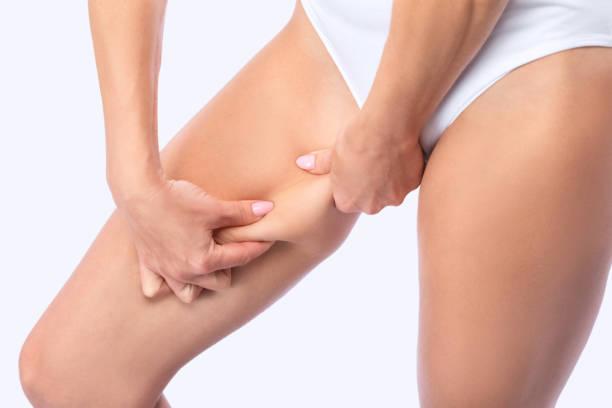
Lipedema is a chronic condition involving an abnormal buildup of fat beneath the skin, most commonly affecting the legs and sometimes the arms. It can cause changes in body shape, tenderness, and discomfort that may gradually affect everyday activities. Recognizing the signs early can help people seek an appropriate medical assessment and explore ways to manage their symptoms. Understanding Treatment for Lipedema in Riyadh (علاج الوذمة الشحمية في الرياض) can also help individuals learn about available care options, from conservative symptom management to specialized procedures when clinically appropriate. Although lipedema can resemble other conditions, certain patterns may help distinguish it from ordinary fat distribution or other causes of leg swelling.
What Does Lipedema in the Lower Legs Look Like?
Lipedema often affects both legs in a relatively symmetrical pattern. The lower legs may appear fuller than expected, with fat accumulating around the calves and ankles. In many cases, the feet remain relatively unaffected, creating a noticeable transition between the ankle and foot. This pattern is sometimes described as an ankle cuff, although it does not occur in every person with lipedema.
The skin may look smooth initially, while some people develop a soft, uneven, or nodular texture beneath the surface. The lower legs can feel heavy, particularly after prolonged standing or physical activity. However, appearance alone cannot confirm lipedema because natural body shape, venous problems, lymphedema, and other conditions can produce similar changes.
Common Signs of Lower-Leg Lipedema
Symmetrical Fat Distribution
One of the characteristic features of lipedema is disproportionate fat accumulation affecting both legs. The calves may appear larger in relation to the upper body, and the lower legs may not change significantly even when a person's overall weight changes. This distribution can be frustrating for individuals who maintain healthy habits but continue to notice differences in their leg shape.
Tenderness and Pain
People with lipedema may experience tenderness when the lower legs are pressed or touched. Some report aching, sensitivity, or discomfort after standing or walking for extended periods. The severity varies considerably, and not everyone experiences the same level of pain.
Easy Bruising
Unexplained bruising can occur in people with lipedema. Bruises may appear after minor bumps that would not normally cause noticeable marks. Easy bruising is not specific to lipedema, however, and persistent or unusual bruising should be discussed with a healthcare professional.
A Feeling of Heaviness
The lower legs may feel heavy or tired, especially toward the end of the day. This sensation can affect walking comfort, exercise tolerance, and the ability to remain standing for long periods. If swelling is also present, a clinician may need to evaluate whether another condition, such as venous insufficiency or lymphedema, is contributing to the symptoms.
How Lipedema Differs From Ordinary Fat and Other Conditions
Lipedema is not simply a result of weight gain. It involves a distinct pattern of fat distribution and may occur in people across a range of body sizes. Losing weight can improve general health, but it may not substantially change the areas affected by lipedema.
It is also important to distinguish lipedema from lymphedema. Lymphedema involves impaired lymphatic fluid drainage and commonly causes swelling that may affect the feet. Lipedema typically spares the feet, although both conditions can occur together. Venous insufficiency may cause lower-leg swelling, aching, skin discoloration, or visible veins, while other medical conditions can produce similar symptoms.
Because these conditions can overlap, a professional evaluation is more reliable than trying to identify lipedema through photographs or self-examination alone.
How Is Lipedema in the Lower Legs Diagnosed?
There is no single test that confirms every case of lipedema. Diagnosis generally relies on a detailed medical history and physical examination. A healthcare professional may ask when the changes began, whether both legs are affected, whether the area is tender, and whether symptoms have changed over time.
The examination may include an assessment of fat distribution, skin texture, tenderness, swelling, and foot involvement. The clinician may also review family history and whether symptoms appeared or became more noticeable around hormonal changes, such as puberty, pregnancy, or menopause.
Additional investigations may be recommended when another condition is suspected. Depending on the findings, these could include vascular assessments or imaging to investigate other causes of swelling. A careful diagnosis helps guide an appropriate care plan rather than relying on appearance alone.
Treatment Options for Lower-Leg Lipedema
The right approach depends on symptom severity, mobility, general health, and whether other conditions are present. Treatment for Lipedema in Riyadh may involve a combination of conservative measures and specialist-led options tailored to individual needs.
Compression and Supportive Care
Compression garments may help some people manage discomfort or associated swelling, particularly when recommended by a qualified clinician. Proper fitting is important because the wrong level or type of compression may cause discomfort or be unsuitable for certain medical conditions.
Low-Impact Physical Activity
Walking, swimming, water-based exercise, and other low-impact activities can support mobility, circulation, muscle strength, and overall well-being. The best activity is one that can be performed comfortably and consistently. Exercise does not selectively remove lipedema fat, but it can help maintain function and make everyday movement easier.
Physiotherapy and Symptom Management
A physiotherapist familiar with lipedema may suggest mobility exercises, strengthening routines, and strategies to reduce physical strain. Manual lymphatic drainage or other lymphatic care may be useful for selected individuals, particularly when there is coexisting swelling or lymphedema. These therapies should be selected according to clinical needs rather than assumed to be necessary for everyone.
Specialist Assessment for Procedures
For some patients with persistent symptoms, specialized liposuction may be considered after a thorough assessment. The procedure aims to remove affected tissue and may improve pain or mobility in selected cases, but outcomes vary and it carries surgical risks. It is not suitable for everyone and should be discussed with an experienced specialist who can explain the potential benefits, limitations, recovery process, and alternatives.
When Should You Seek Medical Advice?
Consider arranging a medical assessment if both lower legs have become disproportionately larger, if you experience persistent tenderness or easy bruising, or if changes in leg shape interfere with daily activities. Early evaluation can help clarify the cause and identify suitable management strategies.
Seek urgent medical care if one leg suddenly becomes swollen, red, warm, or severely painful, particularly if the symptoms develop quickly. These signs can indicate a blood clot or another condition requiring prompt assessment and should not automatically be attributed to lipedema.
Conclusion
Recognizing lipedema in the lower legs involves looking at the overall pattern of fat distribution, tenderness, bruising, heaviness, and possible ankle changes. These signs can provide useful clues, but they cannot establish a diagnosis on their own. With a professional assessment, individuals can better understand their symptoms and consider options that support comfort, movement, and quality of life. Learning about Treatment for Lipedema in Riyadh may be a helpful starting point for exploring individualized care. For guidance on assessment and appropriate treatment options, schedule a consultation with Royal Clinic Saudia (عيادات رويال كلينك) to discuss your concerns with a qualified healthcare professional.

 English
 Arabic
 French
 Spanish
 Portuguese
 Deutsch
 Turkish
 Dutch
 Russian
 Romaian
 Portuguese (Brazil)
 Greek