


How Can Kaixin Lifting Permanent Magnet Improve Material Handling
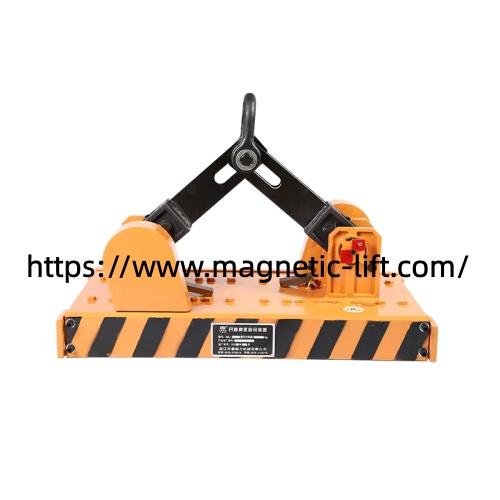
Lifting Permanent Magnet technology offers a practical way to move heavy steel components in workshops, warehouses, and metal fabrication facilities. By using magnetic attraction rather than chains wrapped around a workpiece, this equipment can help operators handle compatible materials while keeping access to the work surface clear. Its performance, however, depends on more than the weight of the object. Material properties, surface contact, component shape, and the selected model all influence whether a lifting task can be completed safely.
The working principle is based on a controlled magnetic circuit. Inside the device, permanent magnets generate a magnetic field that can be directed through suitable steel. When the operating handle moves to the engaged position, the magnetic flux passes through the contact surface and into the workpiece. This creates the holding force needed to support the material during a planned lifting operation. Moving the control to the release position redirects the magnetic field within the device, allowing the workpiece to be detached after it has been safely lowered.
One practical benefit of this design is that manual permanent magnetic lifters do not require a continuous electrical supply to maintain their magnetic field. This can make them useful in fabrication shops, machining areas, steel stockrooms, and other workplaces where operators frequently reposition metal components. The absence of power cables can also simplify equipment arrangement around worktables and storage racks. Nevertheless, the specific operating mechanism and safety features should always be checked against the manufacturer's documentation before use.
Rated capacity is an essential starting point when selecting magnetic lifting equipment. A model marked for a particular weight does not necessarily support that same weight under every working condition. Manufacturers generally establish ratings using specified test materials and contact conditions. Actual capacity may be lower when the workpiece is thinner, curved, uneven, or made from a steel grade with different magnetic properties.
Surface preparation also matters. Rust, paint, metal scale, oil residue, and dirt can create a gap between the contact face and the material. Even a small gap may reduce magnetic holding performance. Before lifting, operators should inspect and clean both contact surfaces according to the equipment instructions. They should also verify the workpiece thickness and consult the model's capacity chart rather than relying on its nominal rating alone.
Shape creates another important consideration. A flat steel plate presents a different contact area from a round bar, pipe, or narrow section. Curved materials may require a specially designed contact profile, while long or flexible components may need an engineered lifting arrangement to control bending and movement. A load that hangs at an angle can also introduce forces that differ from a straightforward vertical lift. These conditions should be assessed before work begins.
For purchasing teams, the selection process should begin with actual operating requirements. Record the typical and maximum load weights, material grades, dimensions, thicknesses, lifting frequency, and available overhead handling equipment. Consider whether the application involves individual plates, round stock, machined components, or materials of varying sizes. This information helps suppliers recommend a model that matches the intended work rather than relying on weight alone.
Control design and construction deserve attention as well. Buyers can review the handle arrangement, locking mechanism, lifting eye, housing, contact face, and inspection requirements. Clear operating instructions and accessible technical specifications help maintenance personnel establish consistent procedures. Where equipment will serve several production areas, it is also worth considering how easily operators can identify the appropriate model and verify its capacity before use.
Kaixin provides magnetic lifting equipment for industrial material handling applications. When evaluating its product range, buyers can compare model specifications with their own workpiece dimensions, lifting methods, and workshop conditions. Requesting the relevant capacity chart, operating manual, and technical details before placing an order can help clarify whether a proposed model is suitable for the planned application.
Safe handling begins before the load leaves the ground. Operators should inspect the device for visible damage, check that the control operates correctly, confirm that the contact face is clean, and ensure that the workpiece falls within the model's permitted operating range. The lifting point should be positioned appropriately in relation to the load's centre of gravity to reduce tilting. Any required locking mechanism must be engaged according to the manufacturer's instructions.
A controlled trial lift can help confirm that the material is attached and balanced before it is moved along the intended route. The load should be raised and transported smoothly, without sudden acceleration, impact, or unnecessary swinging. Personnel must remain clear of suspended materials, and nobody should stand or pass beneath a raised workpiece. Operators should never exceed the applicable rated capacity or attempt to compensate for uncertain holding conditions by simply lifting more carefully.
Training and maintenance are equally important. Workers need to understand the equipment's limitations, the correct switching procedure, and the inspection steps required by the manufacturer. Damaged equipment should be taken out of service until it has been assessed and cleared for use. Periodic checks, appropriate storage, and documented maintenance can help businesses maintain consistent handling practices across shifts.
Choosing suitable equipment involves matching magnetic performance with real workshop demands. By evaluating load characteristics, reviewing technical documentation, and establishing clear operating procedures, businesses can plan steel handling tasks with greater confidence. Buyers considering Kaixin products can review the available models and application details at https://www.magnetic-lift.com/product/ to identify options for their material handling requirements and discuss the specifications needed for their intended lifting work.

 English
 Arabic
 French
 Spanish
 Portuguese
 Deutsch
 Turkish
 Italiano
 Russian
 Romaian
 Portuguese (Brazil)
 Greek