


Canada Education System for International Students: Pathways to Success
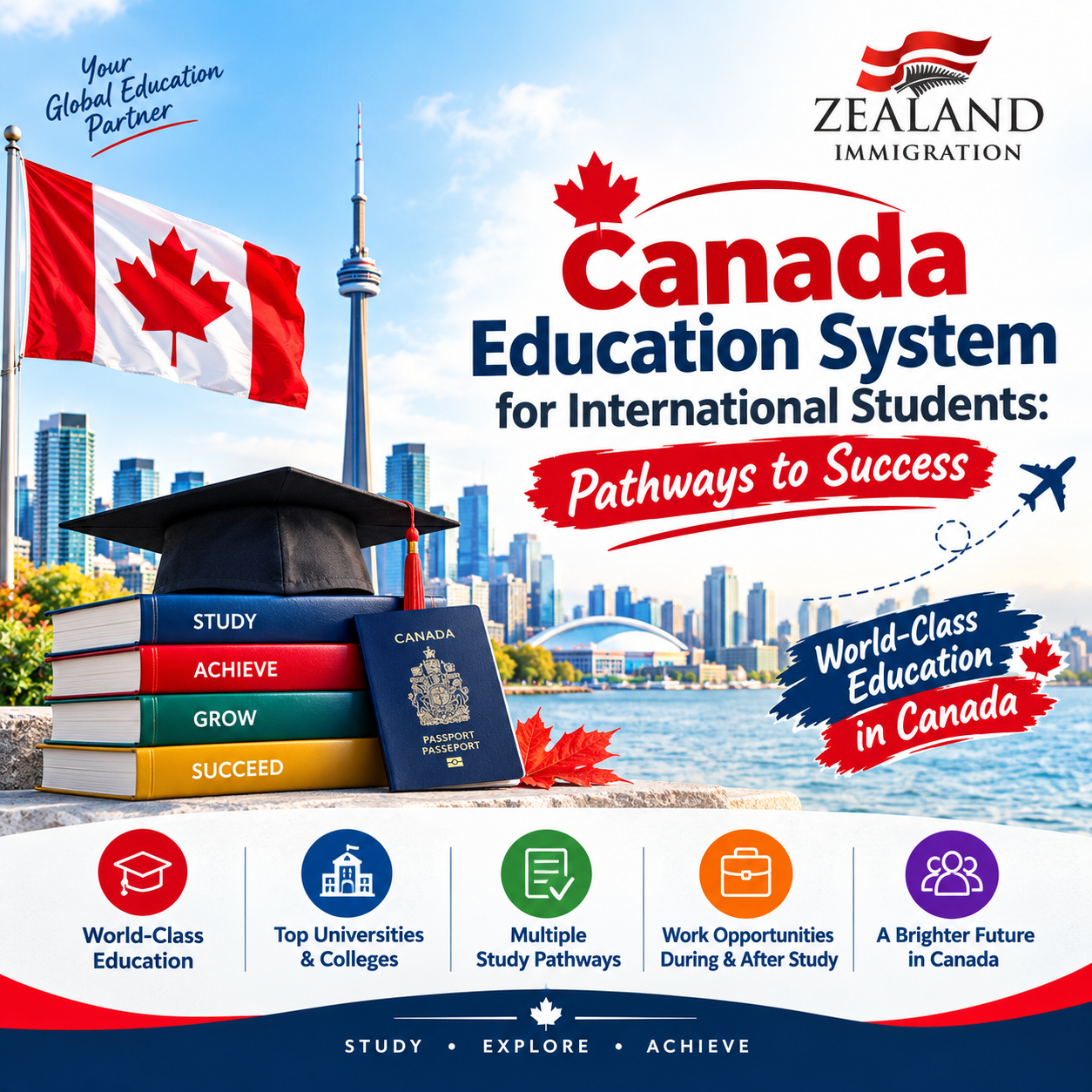
Education plays an important role in building a bright future. Many students choose to study in another country to learn new skills, explore different cultures, and prepare for better career opportunities. Canada is a popular destination because it offers different study options, modern learning facilities, and a welcoming environment for international students. Before applying, students should understand the education levels, admission rules, costs, and available support.
The Canada Education System offers several learning pathways, from primary and secondary school to college, university, and postgraduate studies. Students can choose a course based on their interests, previous education, and future plans. Colleges often focus on practical skills and career training, while universities offer undergraduate, postgraduate, and research programmes. Understanding these options helps international students choose the right institution and make a clear plan for their education.
Why Do International Students Choose Canada?
Canada attracts students from many parts of the world. Its education system offers different programmes for students with different goals. Many institutions also provide academic support, career services, and activities that help students settle into campus life.
Here are some key reasons to consider studying in Canada:
-
Different study options: Students can choose from business, healthcare, engineering, information technology, arts, and many other subjects.
-
Practical learning: Some programmes include projects, placements, and hands-on training.
-
Multicultural communities: Students can meet people from different cultures and backgrounds.
-
Modern facilities: Many institutions provide libraries, laboratories, and digital learning tools.
-
Career development: Students can build communication, teamwork, and problem-solving skills.
However, the right choice depends on your budget, academic background, and career goals. Always check the course details before applying.
Understanding the Main Education Levels
Canada has several education levels, and each serves a different purpose. The exact structure and rules can vary by province or territory.
1. Primary and Secondary Education
Primary education builds basic skills in reading, writing, mathematics, and other subjects. Secondary education prepares students for further study or work. International students who want to attend a Canadian school should check its admission rules, age requirements, and fees.
2. College and Diploma Programmes
Colleges offer certificates, diplomas, and some degree programmes. These courses may focus on practical knowledge and job-related skills. Popular areas include business, hospitality, computer studies, and healthcare-related fields.
3. Undergraduate Degrees
Students who complete secondary school may apply for a bachelor's degree. Most programmes take around three to four years, depending on the institution and subject. Admission requirements usually include school records and proof of English or French language ability, where required.
4. Postgraduate Studies
Students with a bachelor's degree can explore graduate certificates, postgraduate diplomas, master's degrees, or doctoral programmes. Entry requirements depend on the course, and some programmes may require work experience, references, or research proposals.
Popular Courses and Study Options
Choosing a suitable course is an important step. Students should look beyond popularity and select a programme that matches their interests and previous education.
Some areas to explore include:
-
Business administration and management
-
Computer science and information technology
-
Engineering and technology
-
Healthcare and health sciences
-
Hospitality and tourism
-
Finance, accounting, and marketing
-
Environmental studies and research
Compare course subjects, duration, tuition fees, entry requirements, and possible career paths. Check whether the institution and programme meet your future professional needs.
Tuition Fees and Cost of Living
Planning your budget early can help you avoid financial stress. The total cost depends on the institution, programme, city, and lifestyle. International students may need to pay tuition fees, accommodation, food, transport, health insurance where applicable, books, and personal expenses.
To plan carefully:
-
Compare fees on official institution websites.
-
Check accommodation costs before choosing a city.
-
Look for scholarships and financial aid for which you qualify.
-
Keep extra funds for unexpected expenses.
-
Review payment deadlines and refund policies.
Do not rely on one general fee estimate. Confirm the current amount directly with your chosen institution.
Admission Process for International Students
The application process may differ between colleges and universities, but these steps can help you prepare:
-
Choose a course that matches your academic background.
-
Research institutions and check their admission requirements.
-
Prepare transcripts, certificates, and language test results if required.
-
Submit your application before the deadline.
-
Review your offer letter and tuition payment instructions.
-
Prepare the required immigration documents and plan your accommodation.
Start early because collecting documents and meeting admission conditions can take time.
Family Options for International Students
Some students may wish to understand whether their spouse or family can accompany them during their studies. A Spouse visa canada search should lead you to current information about family immigration options, not assumptions that every student’s spouse qualifies automatically. Eligibility depends on the principal applicant’s status, the type of study programme, and the immigration rules in effect. Check the latest requirements before making family travel plans.
Student Permit and Important Requirements
After receiving an offer from an eligible institution, students should check whether they need a study permit and what documents are required. A Canada student visa is a common search term, but studying in Canada generally involves understanding the study permit process and any separate entry visa or electronic travel authorisation that may apply. Requirements depend on nationality and individual circumstances.
Students may need an acceptance letter, proof of funds, identity documents, and other supporting information. Review current instructions through the official Canadian immigration website before applying.
Why Choose Zealand Immigration India?
Zealand Immigration India helps students understand their overseas education options and prepare for the application process.
Our support includes:
-
Personalised course and institution guidance
-
Admission document assistance
-
Information about fees and scholarships
-
Guidance on preparing study permit documents
-
Support with application planning
Our aim is to make the process easier to understand so students can make informed choices. Admission and immigration decisions remain with the relevant institutions and authorities, and approval cannot be guaranteed.
Frequently Asked Questions
1. Is Canada a suitable destination for international students?
It offers a wide range of courses and institutions. Suitability depends on your goals, budget, and chosen programme.
2. Can international students choose between colleges and universities?
Yes. Both offer different qualifications, but available programmes and entry requirements vary.
3. How can students reduce education costs?
Compare tuition fees, plan living expenses, and research scholarships for eligible applicants.
4. When should students start applying?
Start several months before the intended intake to allow time for admission, documents, funding, and immigration preparation.
Conclusion
Studying in Canada can open new learning opportunities when students plan carefully. Research institutions, compare programmes, understand the costs, and prepare documents early. With the right information and guidance, international students can take practical steps towards their academic and career goals.

 English
 Arabic
 French
 Spanish
 Deutsch
 Turkish
 Dutch
 Italiano
 Russian
 Romaian
 Portuguese (Brazil)
 Greek