


Crooked Toes, Heel Lumps and Finding the Right Person to Ask: A Patient-Friendly Guide
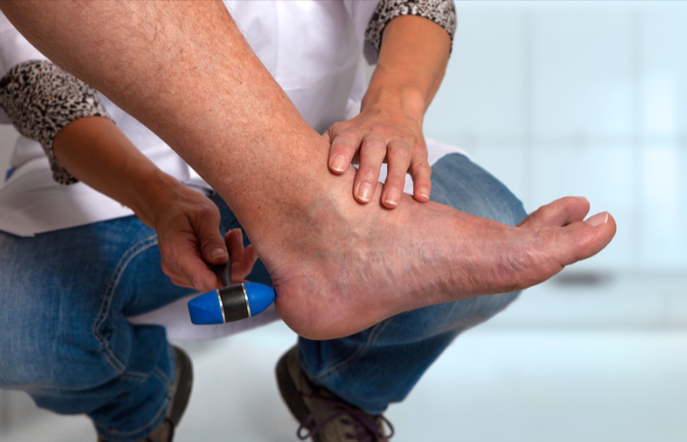
By the Pavel Akimau Clinic Team | Foot and Ankle Health Guide
Meta description: Curled toe or a bump at the back of your heel? Learn what causes these problems, what you can try, and what to expect from a specialist consultation in Cheltenham.
Foot problems have a funny way of becoming part of your personality. You stop wearing certain shoes. You choose the seat nearest the door so you don't have to walk far. You laugh about your "dodgy toe" at family gatherings. But underneath the humour, there's often discomfort that could be improved.
This guide looks at two things that bring people to a foot clinic: toes that bend into a hook shape, and lumps at the back of the heel. It also explains what a specialist consultation involves, so the first appointment feels less daunting.
What Is a Hammer Toe?
A hammer toe is a toe that bends at the middle joint, so it looks curled or hooked. It most often affects the second, third or fourth toe. The top of the bent joint can rub against shoes, forming corns or calluses, and the tip of the toe may press painfully into the sole of the shoe.
Causes include inherited foot shape, muscle and tendon imbalance, tight footwear, previous injury, nerve or joint conditions, and sometimes a bunion pushing the neighbouring toe out of line. At first the toe is usually flexible. Over time, the joint can stiffen and become fixed.
Why Flexibility Matters
The difference between a flexible and a fixed toe shapes your options. A flexible toe can often be straightened with your fingers, which is a good sign that simple measures may help. A fixed toe won't straighten, so footwear adjustments focus on comfort rather than correction.
That's why early attention is useful. If you notice a toe beginning to curl, don't wait for it to stiffen.
Looking at Your Options
When people ask about treatment for a hammer toe, they're usually hoping for relief from rubbing and pain, and sometimes for a straighter toe. For flexible toes, simple measures can include shoes with a deep, wide toe box, soft pads or sleeves, gentle stretching and strengthening exercises, and sometimes splints or insoles.
If the toe is stiff, painful or causing recurrent corns despite sensible footwear, a specialist may discuss surgical options. Procedures aim to straighten the toe and relieve pressure, and the technique depends on whether the joint is flexible or rigid. Everything should be explained, including risks and recovery, before any decision.
Lumps at the Back of the Heel
A hard, tender lump at the back of the heel is another common reason for an appointment. It may be sore when pressed, rub against the back of shoes or swell after activity. Several things can cause it:
- A bony enlargement at the back of the heel bone
- An inflamed bursa, a small fluid-filled sac that cushions the area
- Thickened skin or tissue from repeated pressure
- Irritation of the Achilles tendon where it attaches to the heel
Because the causes differ, an accurate diagnosis helps. A clinical examination, and sometimes an X-ray or scan, can show what's going on.
What Helps a Sore Heel Lump
Most people start with practical steps. Choose shoes with a soft, flexible heel counter, or open-backed options at home. Heel pads can lift the heel slightly and reduce pressure. Ice can calm swelling, and gentle calf stretching can ease tension on the area.
When people look for heel bumps treatment, they usually want to settle the pain, wear normal shoes again and stop the problem returning. If simple measures don't give enough relief, a specialist can discuss other approaches, including surgery for selected cases where a bony prominence is the main problem.
What to Expect From a Specialist Visit
If you decide to seek expert advice, it helps to know what happens. An Orthopaedic Foot Specialist in Cheltenham offers consultant-led care focused on foot and ankle conditions. The aim is to understand how your symptoms developed and how they affect daily life, then choose a proportionate plan.
A typical journey looks like this:
- Initial assessment. A conversation about your symptoms and a physical examination of movement, alignment and tender areas.
- Diagnostic review. X-rays or MRI are reviewed where clinically needed.
- Treatment discussion. Non-surgical options come first where appropriate, with surgery recommended only when it's genuinely likely to help.
- Treatment and aftercare. Clear guidance on activity, rehabilitation and what to expect.
- Follow-up. Appointments to review progress and adjust the plan.
Mr Pavel Akimau has worked as a Consultant Orthopaedic Surgeon at University Hospitals of North Staffordshire NHS Trust since 2021, and his clinics also cover Cheltenham.
Tips for Your First Appointment
- Wear or bring the shoes you use most.
- Write down when the problem started and what makes it better or worse.
- Bring previous scans or letters.
- Prepare questions about recovery, risks and alternatives.
- Take your time before deciding on treatment. There's no need to commit at the first visit.
Frequently Asked Questions
Do I need a GP referral for a private appointment? No, private consultations can be booked directly, although insurers may require a referral letter.
Will surgery be recommended straight away? Not necessarily. Non-surgical options are discussed first where appropriate.
Can a hammer toe be treated without surgery? Flexible toes often improve in comfort with footwear changes, padding and exercises. Rigid toes may need further assessment.
Are scans always needed? Only when they'll help diagnosis and planning. Existing scans can be reviewed.
Is follow-up included? Follow-up is part of care, so progress can be monitored and concerns addressed.
Final Thoughts
A curled toe or a sore heel lump may seem small, but they can affect every step. With clear information and a sensible plan, most people find a route to greater comfort. If you're unsure where to begin, a conversation with a specialist can bring clarity.
To learn more or book a consultation, visit pavelakimau.com.

 English
 French
 Spanish
 Portuguese
 Deutsch
 Turkish
 Dutch
 Italiano
 Russian
 Romaian
 Portuguese (Brazil)
 Greek