


Sharp Plants in Lawn: How to Find and Remove Them
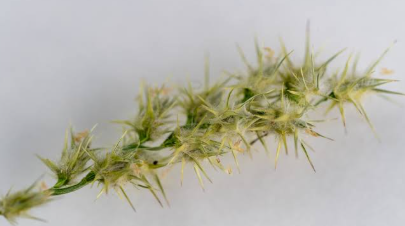
A green lawn should feel soft and safe under your feet. However, some yards contain plants with sharp thorns, prickly seeds, or spiky leaves. These plants can hurt children, pets, and anyone walking barefoot. They can also make yard work harder.
If you have sharp plants in lawn areas, you should identify the problem early. Some weeds spread fast and cover large parts of your yard. Others produce tiny seeds that stick to shoes, socks, and pet fur. Fortunately, you can take simple steps to control these plants.
This guide explains common prickly weeds, their risks, and the best ways to remove them.
What Causes Sharp Plants in Lawn Areas?
Several weeds can make a lawn painful to walk across. Many grow in dry soil, thin grass, and sunny spots. Some also thrive where the ground receives little care.
For example, weeds often grow in bare patches where grass cannot compete. Poor watering and compacted soil may also help weeds spread. As a result, your lawn can develop rough, prickly areas.
Common causes include:
-
Thin grass that leaves open soil.
-
Dry ground during hot weather.
-
Poor lawn care and uneven mowing.
-
Weed seeds carried by wind, shoes, or animals.
-
Bare patches caused by heavy foot traffic.
Therefore, healthy grass is one of the best ways to prevent many unwanted weeds.
Common Weeds That Make Your Yard Prickly
Before removing a weed, learn what it looks like. Different plants need different control methods.
1. Goathead Weeds
Goathead, also called puncturevine, is a common problem in warm, dry areas. It grows low to the ground and spreads across open soil.
The plant produces small yellow flowers and seeds with hard, sharp points. These seeds can hurt bare feet and damage bicycle tires. They can also become trapped in pet paws.
Goathead weed removal works best before the seeds mature. Pull young plants carefully and collect every part that contains seeds. Always wear thick gloves and sturdy shoes.
2. Lawn Burrs
Lawn burrs produce prickly seed heads that cling to clothing and animal fur. They often grow where grass is weak or soil stays dry.
These weeds can spread quickly if you allow their seeds to mature. Therefore, check your yard often during the growing season.
Use gloves when collecting burrs by hand. Then place the seeds in a sealed bag before disposal.
3. Sandburs
Sandburs grow well in sandy soil and warm weather. Their seed heads have sharp spines that can hurt your feet.
These weeds often appear in dry lawns with thin grass. Regular mowing and better lawn coverage can help reduce their growth.
However, mowing alone may not remove every seed head. You should also inspect the ground and remove unwanted plants.
4. Thistle Plants
Thistles have sharp spines along their leaves and stems. Some types grow tall and produce purple flowers.
Their prickly leaves can make yard work uncomfortable. In addition, mature plants may spread seeds across nearby areas.
Wear gloves and use suitable tools to remove thistles. Remove as much of the root as possible to reduce regrowth.
How to Find Sharp Plants in Lawn Areas
Start by checking the places where people walk most often. Look around garden edges, fences, driveways, and dry patches.
Next, inspect the grass closely. Some prickly weeds stay low and blend into the lawn. Others stand above the grass and produce visible seed heads.
Wear closed shoes during your inspection. Also, use gloves when touching unfamiliar plants.
If you find sharp plants in lawn areas, mark each affected spot. This helps you track the spread and choose the right removal method.
Take clear photos of unfamiliar weeds before removing them. A local gardening expert can help identify plants you cannot name.
Best Ways to Remove Prickly Lawn Weeds
The right removal method depends on the weed type and how much it has spread.
Pull Small Weeds by Hand
Hand removal works well for young weeds and small patches. Wear thick gloves, long pants, and closed shoes.
Pull each plant near its base. Remove the roots when possible, and collect any prickly seed heads.
However, avoid shaking mature plants. Doing so can spread seeds across your yard.
Use a Suitable Weed Removal Tool
A weed puller can help remove plants with deep roots. Choose a tool that suits your soil and the weed type.
For larger areas, inspect the lawn before choosing a control method. Some weeds need repeated removal because missed roots or seeds can cause new growth.
Always follow product labels when using weed control chemicals. Keep children and pets away as directed.
Remove Burrs Before They Spread
Timing matters when controlling burr-producing weeds. Remove them before their seeds become hard and prickly.
Collect loose burrs carefully and place them in a sealed container or bag. Do not leave them on the lawn, where people or pets may step on them.
A lawn burr remover can help collect certain loose seed heads. For larger problem areas, choose equipment designed for the type of burr you have.
How to Prevent Prickly Weeds From Returning
Removing existing weeds is only part of the job. You should also make your lawn less suitable for future growth.
First, grow thick, healthy grass. Choose a grass type suited to your local climate and soil.
Next, water deeply when needed. Follow local watering guidance and avoid keeping the soil constantly wet.
Mow at the recommended height for your grass type. Cutting grass too short can leave more room for weeds.
Also, check bare patches regularly. Repair damaged areas with suitable seed or sod when conditions allow.
Finally, inspect your shoes, tools, and pets after spending time in areas with burrs. This can help stop seeds from spreading to other parts of your yard.
Why Regular Lawn Checks Matter
Small weeds are easier to manage than mature plants with many seeds. Therefore, a short weekly inspection can save time later.
Walk around your property and check dry or damaged areas. Look for new plants, sharp seed heads, and spreading weeds.
Pay extra attention after rain or during active growing periods. Some weeds grow quickly when conditions suit them.
If sharp plants in lawn areas keep returning, look for the cause. Thin grass, bare soil, and missed seed heads may explain the problem.
A simple routine can help keep your yard safer throughout the growing season.
Conclusion: Keep Your Lawn Safe and Comfortable
A prickly lawn can make simple outdoor activities uncomfortable. Sharp seeds and thorny weeds can hurt bare feet, children, and pets. Fortunately, early action can help control the problem.
Start by identifying the weeds in your yard. Then remove young plants, collect loose burrs, and improve grass coverage. Regular mowing, proper watering, and frequent checks can also reduce future growth.
If sharp plants in lawn areas continue to spread, consider using suitable removal tools or asking a local lawn care expert for help.
With steady care, you can reduce prickly weeds and make your yard more comfortable. A clean, healthy lawn gives your family more room to walk, play, and enjoy the outdoors.
Frequently Asked Questions
1. What are the most common sharp plants in a lawn?
Common examples include goathead, sandbur, lawn burrs, and thistles. These plants produce sharp seeds, prickly leaves, or thorny stems. Their growth depends on the climate, soil, and local conditions.
2. Why do prickly weeds grow in my yard?
Prickly weeds often grow in bare patches and thin grass. Dry soil, poor lawn coverage, and seeds carried by animals can also contribute. Healthy grass helps limit the space available for weeds.
3. How can I remove burrs from grass safely?
Wear thick gloves and sturdy shoes before removing burrs. Collect seed heads carefully and place them in a sealed bag. For large areas, consider a suitable lawn burr removal tool.
4. Can mowing get rid of sharp lawn weeds?
Mowing can control some weeds, but it may not remove their roots. It can also spread seeds if plants already have mature seed heads. Remove weeds before they produce seeds whenever possible.
5. How can I stop prickly weeds from returning?
Keep your grass thick, repair bare patches, and inspect the lawn regularly. Remove young weeds before they produce seeds. Also, clean tools and check shoes after working in affected areas.

 English
 Arabic
 French
 Spanish
 Portuguese
 Deutsch
 Turkish
 Dutch
 Italiano
 Russian
 Romaian
 Greek