


Is an IUD for Contraception Suitable for All Age Groups
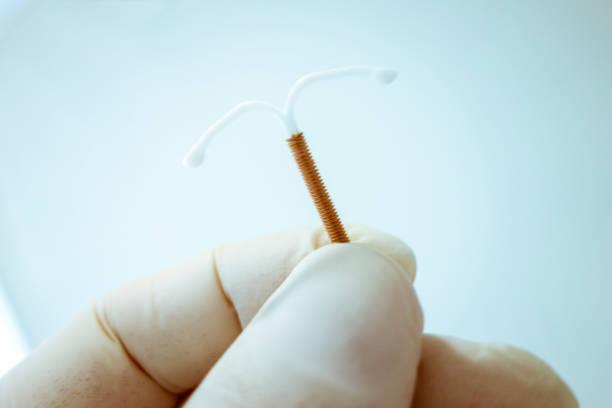
Choosing a suitable contraceptive method is an important part of reproductive health, and the right option can vary depending on a person's age, lifestyle, medical history, and future family plans. An intrauterine device, commonly known as an IUD, is a long-acting contraceptive method designed to prevent pregnancy over an extended period. For individuals exploring IUD for contraception in Abu Dhabi, understanding how this method works and whether it is appropriate at different stages of life can support informed decisions. IUDs are used by adolescents, adults who have never given birth, and individuals approaching menopause, provided the method is medically appropriate for their circumstances. Although an IUD can suit many age groups, its suitability should be determined by individual health needs rather than age alone.
What Is an IUD and How Does It Work?
An IUD is a small, T-shaped device placed inside the uterus by a qualified healthcare professional. It provides ongoing contraception without requiring daily attention, making it a convenient option for people who prefer a long-term approach to pregnancy prevention.
There are two main types of IUDs: hormonal IUDs and copper IUDs. Hormonal IUDs release a small amount of a progestin hormone into the uterus, which primarily works by thickening cervical mucus and preventing sperm from reaching an egg. Copper IUDs use copper to interfere with sperm movement and function, helping prevent fertilization without introducing hormones.
Both types are highly effective contraceptive methods, but they differ in how they work and how long they can remain in place. The appropriate choice depends on personal preferences, menstrual health, medical considerations, and the expected duration of contraception.
Is an IUD Suitable for Teenagers and Young Adults?
An IUD can be a suitable contraceptive option for teenagers and young adults who need reliable pregnancy prevention. Current contraceptive guidance generally supports the use of both hormonal and copper IUDs among adolescents when there are no medical reasons to avoid them.
One important consideration is that a person does not need to have given birth before receiving an IUD. The uterus can accommodate an IUD in individuals who have never been pregnant, although an assessment is necessary to determine suitability and select the appropriate device.
For younger individuals, long-acting contraception can offer convenience because it does not depend on remembering a daily pill or following a schedule before every sexual encounter. However, choosing contraception should always involve informed consent, an understanding of how the method works, and an opportunity to discuss personal concerns.
An IUD does not protect against sexually transmitted infections. Young people who may be exposed to these infections should understand the importance of condoms and appropriate sexual health screening alongside their chosen contraceptive method.
Can Adults Who Have Never Given Birth Use an IUD?
Yes, adults who have never given birth can generally use an IUD if they are suitable candidates. Previous pregnancy or childbirth is not a requirement for either hormonal or copper IUD placement.
Some individuals may assume that an IUD is appropriate only after having children, but this is a misconception. Modern contraceptive guidance recognizes IUDs as an option for many people across different reproductive stages, including those who have not started or completed their family plans.
For adults seeking reliable contraception while pursuing education, building a career, or deciding whether to have children, an IUD can provide flexibility. Fertility generally returns after the device is removed, although the timing of pregnancy depends on individual reproductive health and other factors.
A healthcare professional can evaluate the uterus, review medical history, discuss contraceptive preferences, and explain the differences between available devices. This individualized approach helps ensure that the chosen method aligns with present needs and future plans.
Is an IUD Appropriate for People in Their Thirties and Forties?
People in their thirties and forties can often benefit from IUD contraception, particularly when pregnancy prevention remains important and a long-acting method is preferred. At these ages, reproductive priorities may vary considerably. Some individuals may wish to postpone pregnancy, while others may have completed their families but still need reliable contraception.
Hormonal IUDs may be particularly useful for individuals who experience heavy menstrual bleeding because certain types can reduce menstrual blood loss over time. Copper IUDs may appeal to those who prefer a hormone-free contraceptive option. The suitability of either method depends on menstrual patterns, medical history, and individual preferences.
Age-related changes in reproductive health can also influence contraceptive decisions. For example, people experiencing changes in their menstrual cycles may benefit from discussing whether an IUD could meet both their contraceptive needs and their menstrual health goals.
An IUD does not prevent natural hormonal changes associated with aging. However, it can continue to provide pregnancy prevention while it remains effective and is appropriately monitored.
Can Women Approaching Menopause Use an IUD?
An IUD can remain an appropriate contraceptive option for individuals approaching menopause, provided they meet the relevant medical criteria. Pregnancy can still occur during perimenopause, the transitional stage before menopause, because ovulation may continue even when menstrual cycles become irregular.
For this reason, contraception may remain necessary until menopause has been established according to appropriate clinical guidance. The exact timing depends on age, menstrual history, the type of contraception being used, and individual circumstances.
A hormonal IUD may also be considered in certain situations involving menstrual management or as part of a broader treatment plan. However, its suitability and duration of use for these purposes depend on the specific device and clinical recommendations.
It is important not to assume that irregular periods automatically mean pregnancy is no longer possible. Discussing contraceptive needs during this stage can help individuals understand when protection is still required and when it may be appropriate to discontinue contraception.
What Factors Determine IUD Suitability at Different Ages?
Although IUDs are suitable for many people across a broad age range, age alone does not determine whether the method is appropriate. Medical history, uterine anatomy, menstrual patterns, pregnancy status, and personal contraceptive goals all contribute to the decision.
Certain conditions, including an active pelvic infection, unexplained vaginal bleeding that has not been evaluated, or specific abnormalities involving the uterus, may affect whether an IUD can be inserted. Some medical circumstances may make one type of IUD more suitable than another.
Personal preferences also matter. Individuals who want to avoid hormones may prefer a copper IUD, while those seeking contraception that may also reduce heavy menstrual bleeding might consider a hormonal option. The duration of protection and plans for future pregnancy can further influence the decision.
A professional assessment helps identify the most appropriate method and ensures that the individual understands how long the device can remain in place, when it should be replaced, and how removal can be arranged.
Final Thoughts
An IUD for contraception can be suitable for many individuals, from teenagers and young adults to people in their thirties, forties, and approaching menopause. Its suitability depends more on individual health, reproductive goals, and medical eligibility than on age alone. Both hormonal and copper IUDs offer effective, long-acting pregnancy prevention, while their different features make them appropriate for different preferences and circumstances.
Understanding these distinctions can help individuals make confident, informed contraceptive decisions. A personalized consultation can clarify which type of IUD best meets current needs, whether future pregnancy is planned, and how contraception may fit into changing reproductive health requirements over time.
FAQs
Can teenagers use an IUD for contraception?
Yes, teenagers can generally use an IUD if they are medically eligible and understand the method's benefits and limitations.
Can someone who has never given birth get an IUD?
Yes, having a child is not a requirement for IUD use. Suitability depends on individual health and clinical assessment.
Is an IUD suitable for women over 40?
Yes, many individuals over 40 can use an IUD if they meet the relevant medical criteria and still require contraception.
Can an IUD be used before menopause?
Yes, an IUD can provide contraception during perimenopause when pregnancy remains possible, subject to the device's recommended duration of use.
Does age affect the choice between hormonal and copper IUDs?
Age may influence reproductive needs, but the choice primarily depends on medical history, menstrual health, personal preferences, and contraceptive goals.

 English
 Arabic
 French
 Spanish
 Portuguese
 Deutsch
 Turkish
 Dutch
 Italiano
 Russian
 Portuguese (Brazil)
 Greek