


What Historical Traditions Surround Maa Baglamukhi Temples?
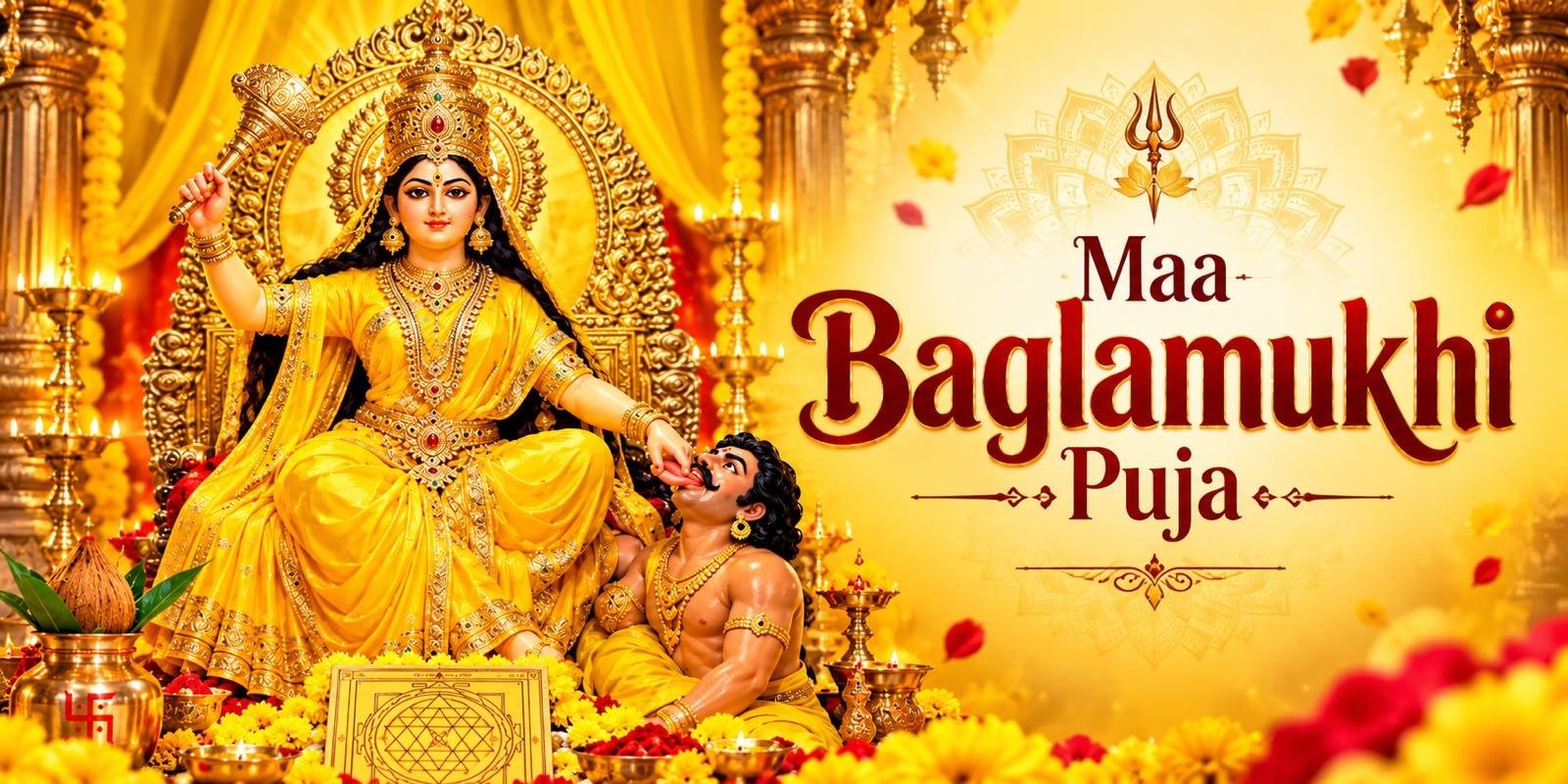
Maa Baglamukhi temples hold an important place in the devotional landscape of Hindu Shakta traditions. Dedicated to Maa Baglamukhi, one of the ten Mahavidyas, these sacred spaces bring together religious history, regional customs, traditional rituals, and community worship. For devotees, visiting a temple can be an opportunity to offer prayers, learn about the goddess, and experience practices that have been passed down through generations.
Understanding Maa Baglamukhi temple traditions requires looking at more than daily worship. Temple architecture, local legends, festival observances, offerings, and the guidance of priests all contribute to a temple's identity. Although some practices are shared across temples, others reflect the history and customs of a particular region.
Exploring these traditions helps visitors appreciate temple heritage while approaching religious customs with respect and an understanding of their local context.
Who Is Maa Baglamukhi in Hindu Religious History?
Maa Baglamukhi is one of the ten Mahavidyas, a group of powerful forms of the Divine Mother associated with Hindu Shakta traditions. She is commonly linked with the ability to restrain harmful speech and actions, protect devotees, and overcome challenging circumstances.
Her imagery often includes yellow clothing and a distinctive depiction in which she restrains an opponent's tongue. These symbols are interpreted in different ways within devotional and theological traditions, including as representations of the power to control harmful speech and disruptive forces.
Maa Baglamukhi and the Mahavidya Tradition
The Mahavidyas form an important part of certain Shakta religious traditions, in which the Divine Mother is understood through different manifestations and spiritual qualities.
Maa Baglamukhi's worship is associated with specialised prayers, mantras, and ritual practices. However, the details of these practices may vary according to a temple's tradition, the guidance of its priests, and the devotional background of its community.
For visitors interested in religious history, learning about the Mahavidyas provides useful context for understanding Maa Baglamukhi temples and their distinctive devotional practices.
1. Temple Heritage and the Stories Associated with Sacred Sites
Temple heritage includes more than the physical building. It also encompasses local memories, oral traditions, religious accounts, and the practices through which communities maintain their connection with a deity.
Maa Baglamukhi temples may have stories explaining why a particular location became sacred, how worship developed there, or why devotees gather at the site during specific occasions.
The Role of Local Legends
Some temple traditions connect the goddess with stories of divine intervention, protection, or the restoration of balance. These accounts help explain the spiritual significance that devotees attach to a place.
However, a temple legend and a documented historical record are not the same thing. A story may be central to local faith without establishing the exact date when a temple was founded.
Visitors researching a temple's past should look for information from temple authorities, historical publications, inscriptions, and other reliable sources where available. This approach allows them to appreciate devotional narratives without presenting every traditional account as a verified historical event.
Architecture and Sacred Space
Temple buildings may feature a sanctum, a place for offerings, spaces for devotees, and areas used during ceremonies. Their size, design, and decorative features depend on the temple's location, period of construction, and subsequent development.
Not every Maa Baglamukhi temple follows an identical architectural style. Some are part of larger temple complexes, while others serve local communities through smaller shrines.
Observing these differences can reveal how regional artistic styles and religious practices influence temple heritage.
2. Regional Worship Practices at Maa Baglamukhi Temples
One of the most interesting aspects of Maa Baglamukhi worship is the way devotional practices reflect local customs.
A temple's daily schedule, preferred offerings, festival arrangements, and ceremonial procedures may be influenced by regional religious traditions. As a result, visitors should not assume that every temple follows exactly the same routine.
Daily Prayer and Temple Rituals
Daily worship may include offerings, prayers, the recitation of mantras, and ceremonies performed by temple priests. The exact sequence depends on the temple's established practices.
Some temples may hold scheduled aarti ceremonies or provide designated times for devotees to participate in worship. Others may have additional arrangements on particular weekdays, festival dates, or special occasions.
Visitors planning a visit should check the temple's official information or contact its administration to confirm current timings and any participation requirements.
The Significance of Yellow
Yellow is strongly associated with Maa Baglamukhi in many devotional traditions. Yellow clothing, flowers, and other yellow-coloured offerings may appear in worship, depending on local customs.
The colour is commonly linked with auspiciousness and the goddess's distinctive devotional imagery. Nevertheless, the precise significance of an offering and whether it is required can differ between temples.
Visitors should follow the instructions provided at the particular temple rather than assuming that every offering is compulsory.
3. The Importance of Mantras and Traditional Prayer
Mantras occupy an important place in many forms of Hindu worship, including devotion to Maa Baglamukhi. They may be recited during individual prayer, temple ceremonies, or specialised religious observances.
Mantra Recitation and Devotional Practice
In some traditions, Maa Baglamukhi is worshipped through specific mantras associated with protection, discipline, and the restraint of harmful speech or actions. The way these mantras are used can depend on the ritual, the temple's customs, and guidance from a qualified practitioner.
Visitors may hear mantras during ceremonies or observe priests conducting prescribed forms of worship. The meaning and purpose of these practices can be explored through reputable religious texts and explanations from knowledgeable teachers.
It is important to distinguish established devotional traditions from unsupported promises about guaranteed outcomes. Religious practices have spiritual significance for devotees, but claims about particular results should not automatically be treated as historical or universally accepted facts.
4. Festivals and Special Religious Observances
Festivals provide opportunities for communities to gather, participate in worship, and maintain shared traditions. At Maa Baglamukhi temples, special observances may involve additional prayers, aarti, offerings, and organised ceremonies.
Maa Baglamukhi Jayanti
Maa Baglamukhi Jayanti is observed by devotees who commemorate the goddess's appearance in religious tradition. The occasion may be marked by prayers, temple visits, and other devotional activities.
The date, programme, and local arrangements should be confirmed with the temple concerned, as observances can vary. Some temples may organise larger gatherings, while others follow a more modest schedule.
Havan and Special Puja
Certain Maa Baglamukhi temples are known for organising specialised pujas or havan ceremonies. These may be performed on particular occasions or according to a devotee's religious requirements.
The materials, procedures, and participation arrangements can differ between traditions. Visitors who wish to attend or arrange a ceremony should ask the temple administration about the process, costs where applicable, and any preparation required.
Festivals and special observances are also useful opportunities to learn about regional worship, provided visitors remain mindful of temple rules and the needs of other devotees.
5. Priests, Oral Traditions, and Community Knowledge
Priests and long-standing temple communities often play an important role in preserving religious knowledge. They may explain the significance of ceremonies, describe local legends, and guide visitors through the customary forms of worship.
Learning from Temple Authorities
A respectful conversation with temple staff or priests can help clarify questions about ritual procedures, offerings, and festival schedules.
For historical research, however, oral explanations should be considered alongside other evidence when available. Temple records, inscriptions, published research, and documented accounts can provide additional information about a site's development.
This does not diminish the importance of oral traditions. Rather, it helps readers understand the difference between a community's religious memory and claims that can be independently verified.
Family and Community Participation
Many devotees learn temple customs through parents, grandparents, and other community members. Children may accompany relatives to worship, observe ceremonies, and gradually become familiar with the significance of the goddess.
These experiences allow traditions to continue across generations. They also explain why some customs may be strongly associated with one community or region but less familiar elsewhere.
6. How Visitors Can Respect Maa Baglamukhi Temple Traditions
Understanding local customs helps visitors participate appropriately and avoid unintentionally disrupting worship.
Before visiting a Maa Baglamukhi temple, consider the following practical steps:
· Check opening hours: Confirm the current schedule, particularly during festivals.
· Follow the dress guidance: Wear clothing appropriate for the temple's customs.
· Ask before taking photographs: Photography may be restricted inside certain areas.
· Follow offering instructions: Confirm which offerings are accepted and where they should be placed.
· Respect ceremonial boundaries: Do not enter restricted areas or interrupt priests during rituals.
· Maintain cleanliness: Use designated places for waste and avoid leaving offerings in unauthorised areas.
· Be considerate of other devotees: Follow queues and observe the temple's expectations for quiet or participation.
If you are researching a temple's religious history, ask whether written information is available. Some temples provide historical notes, visitor guides, or official explanations of their traditions.
7. How to Research the History of a Maa Baglamukhi Temple
If you want to learn about a specific temple, begin with its official website or information provided by the temple administration. Look for details about its location, history, festivals, and daily worship.
You can then compare this information with reputable books, academic publications, regional histories, and documented inscriptions where available.
When reading online accounts, check whether they identify their sources. Be cautious of articles that provide exact founding dates, dramatic historical claims, or supernatural accounts without explaining where the information originated.
A balanced approach respects devotional beliefs while helping readers develop a clearer understanding of the temple's historical development.
Conclusion
Maa Baglamukhi temples preserve a rich combination of devotional practices, regional customs, sacred stories, and community traditions. Their significance can be explored through daily worship, mantra recitation, festivals, temple architecture, and the knowledge shared by priests and devotees.
Understanding Maa Baglamukhi temple traditions means recognising both the shared elements of the goddess's worship and the differences between individual temples. By consulting reliable sources, asking respectful questions, and following local customs, visitors can develop a deeper appreciation of the goddess's place in Hindu religious history and the communities that continue to honour her.

 English
 Arabic
 French
 Spanish
 Portuguese
 Deutsch
 Turkish
 Dutch
 Italiano
 Russian
 Portuguese (Brazil)
 Greek