


How to Choose Jamdani Kurti Colours for Different Occasions
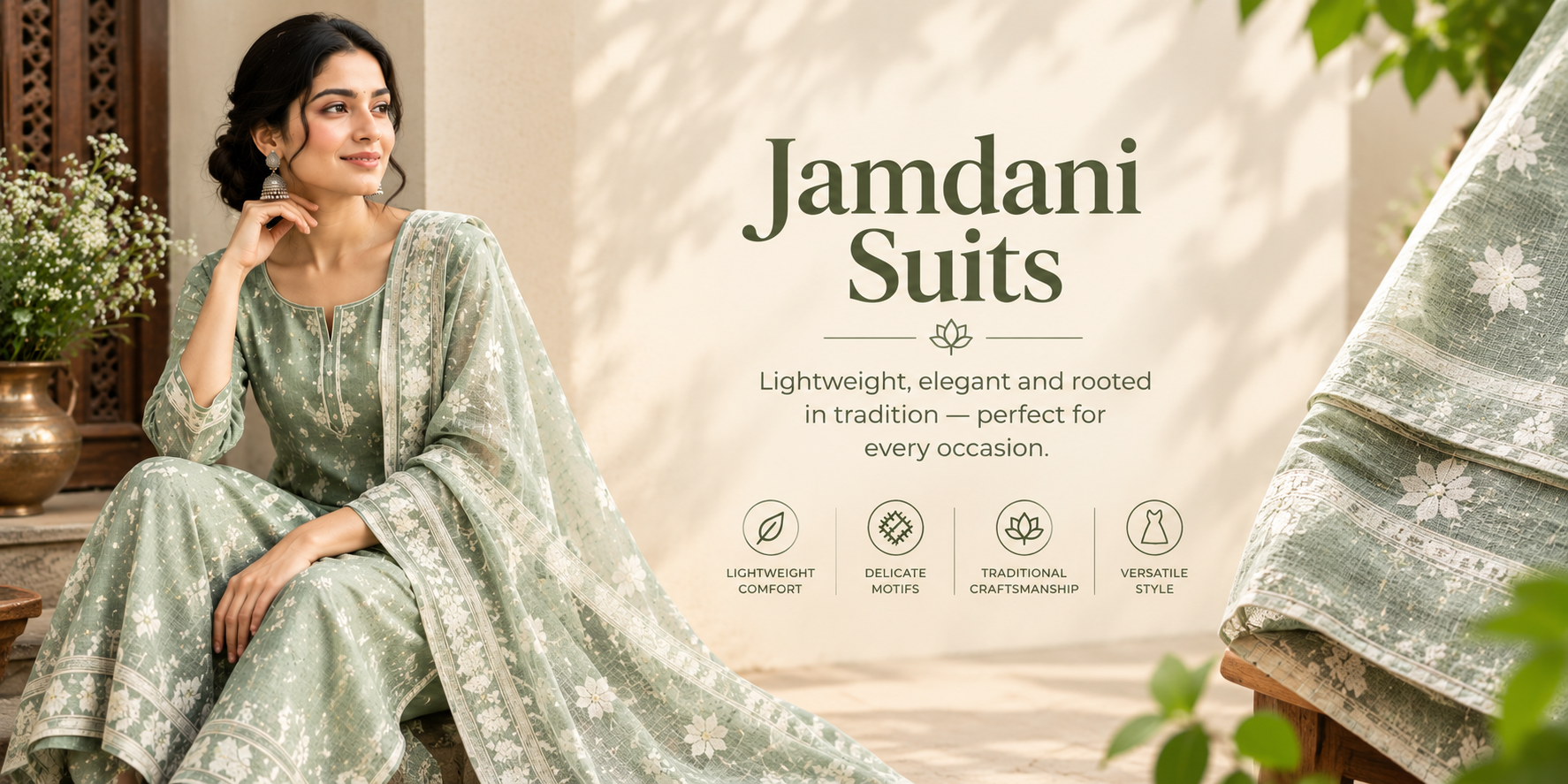
Choosing the right colour can make a Jamdani kurti feel suitable for almost any occasion. A soft pastel shade may look refreshing at a daytime gathering, while deep blue, maroon, or emerald green can create a more festive appearance. The key is to select a colour that complements the kurti's motifs, suits the event, and reflects your personal style.
Jamdani kurtis are appreciated for their delicate patterns and traditional appeal. Whether you prefer understated everyday clothing or elegant ethnic outfits for celebrations, the right colour can make styling easier. Understanding Jamdani kurti colours also helps you choose matching bottoms, dupattas, jewellery, and footwear without making the outfit look overly coordinated.
This guide explains how to approach kurti colour selection for everyday wear, office settings, family functions, festivals, and other occasions.
Why Colour Matters When Choosing a Jamdani Kurti
Colour influences the overall appearance of an outfit. It can make a kurti feel casual, formal, festive, or understated, even when the cut and fabric remain similar.
Jamdani designs often feature intricate motifs, so colour selection should consider both the base fabric and the pattern. A kurti with contrasting motifs may already have enough visual interest, while a single-colour design can offer more freedom to experiment with accessories.
When choosing a kurti, consider three important factors:
- Occasion: Decide whether you need an everyday outfit, office wear, or something more festive.
- Pattern: Look at the relationship between the kurti's base colour and its motifs.
- Styling options: Choose colours that coordinate with bottoms and accessories you already own.
A practical colour choice should look appealing and allow you to wear the garment on more than one occasion.
Best Jamdani Kurti Colours for Everyday Wear
Everyday kurtis should be easy to style, comfortable to wear, and suitable for your regular activities. Colours that coordinate with several bottoms can make daily outfit planning simpler.
White, Cream, and Beige
White, cream, and beige are versatile options for casual ethnic wear. They create a clean appearance and work well with subtle motifs, coloured trousers, and printed dupattas.
A cream Jamdani kurti with small contrasting patterns can be paired with navy trousers for a balanced look. White trousers can create a lighter combination, while earthy brown or olive bottoms offer a more muted style.
Light shades may require more attention when it comes to stains and washing, so consider your daily routine before choosing them for frequent wear.
Soft Pink and Lavender
Soft pink and lavender can create a relaxed, gentle appearance. These colours are suitable for casual lunches, shopping trips, informal family visits, and daytime outings.
Pair them with white, grey, beige, or similarly toned bottoms. If the kurti features delicate motifs, simple accessories can help maintain its understated character.
Light Blue and Mint Green
Light blue and mint green offer fresh alternatives to traditional neutrals. They work particularly well when you want colour without choosing a very bright or saturated shade.
For an easy combination, wear a light-blue kurti with white trousers or style a mint-green design with beige bottoms. Silver-toned jewellery and simple flats can complete the outfit.
How to Choose Jamdani Kurti Colours for Office Wear
Office clothing often benefits from balanced colours and uncomplicated styling. Your choice should also reflect your workplace's dress code and the formality of your role.
Navy Blue and Charcoal Grey
Navy blue and charcoal grey are useful choices for creating a polished ethnic outfit. Their relatively understated appearance makes them suitable for many professional settings.
A navy Jamdani kurti can be paired with cream, beige, or matching trousers. Charcoal grey works well with black, white, or muted-colour bottoms, depending on the design.
If the kurti features noticeable motifs, keep your jewellery and dupatta simple to maintain a balanced appearance.
Olive Green and Muted Teal
Olive green and muted teal offer colour without looking excessively bright. These shades can be styled with neutral trousers and understated accessories for a smart-casual office outfit.
Choose a kurti with a comfortable fit and a length appropriate for your workplace. Straight trousers and closed-toe flats or simple ethnic footwear can complete the look.
Burgundy and Deep Maroon
Burgundy and deep maroon can work for office events, presentations, or occasions when you want a richer colour. For a professional appearance, pair them with neutral bottoms and minimal jewellery.
These shades can also transition easily from work to an evening gathering with a small change of accessories.
Best Colours for Festivals and Family Functions
Festive occasions offer more freedom to experiment with rich colours, contrasting motifs, and decorative accessories. The right choice depends on the event, time of day, and your preferred level of formality.
Emerald Green
Emerald green can create a striking traditional look without relying on heavy embellishment. A Jamdani kurti in this shade may work well for family celebrations, festive lunches, and cultural gatherings.
Pair it with cream or beige trousers for a balanced outfit. Gold-toned jewellery can add warmth, while a simple dupatta allows the kurti's pattern to remain the focus.
Royal Blue
Royal blue is a strong option for evening events and celebrations. It pairs well with white, cream, silver, or navy accessories, depending on the kurti's motifs.
If the design includes contrasting patterns, choose plain bottoms to avoid competing visual details. Silver-toned earrings or a matching bracelet can add a polished finishing touch.
Maroon and Deep Red
Maroon and deep red are popular choices for traditional occasions because they create a rich, noticeable appearance. They can work for festive dinners, family functions, and cultural events.
Pair these colours with beige, cream, or coordinated bottoms. If you prefer a more understated look, choose a kurti with smaller motifs and minimal embellishments.
Remember that you do not need to wear a bright or deep shade for every festival. Pastels and neutral colours can also be appropriate, depending on the occasion and your personal preferences.
Choosing Colours for Weddings and Special Celebrations
For weddings and other special celebrations, consider the event's dress expectations before selecting your kurti. A small daytime ceremony may call for lighter colours, while an evening celebration may suit deeper shades or more decorative designs.
Pastel pink, powder blue, and soft peach can create an elegant daytime appearance. For evening events, plum, deep teal, royal blue, and burgundy may offer a more dramatic look.
The level of detail matters as much as the colour. A richly coloured kurti with intricate motifs may need only simple jewellery, while a plain design can be paired with a decorative dupatta or statement earrings.
If the occasion has a suggested dress code, use it as your starting point. Choose a shade you feel comfortable wearing rather than selecting a colour simply because it is trending.
Ethnic Colour Combinations That Work Well
Coordinating colours does not mean matching every part of an outfit exactly. A complementary combination can create a more interesting and natural appearance.
|
Kurti colour |
Suitable bottom colours |
Styling suggestion |
|
Cream |
Navy, olive, brown |
Add a contrasting dupatta |
|
Navy blue |
White, beige, grey |
Choose silver-toned jewellery |
|
Pastel pink |
White, cream, grey |
Keep accessories delicate |
|
Emerald green |
Cream, beige, black |
Add subtle gold-toned details |
|
Maroon |
Beige, cream, black |
Use simple jewellery for balance |
|
Mint green |
White, beige, light grey |
Choose minimal accessories |
|
Royal blue |
White, cream, navy |
Keep the bottom relatively plain |
|
Mustard yellow |
Navy, brown, cream |
Balance with understated accessories |
These are starting points rather than strict rules. The kurti's motif colours, fabric, and overall design may influence which combination looks best.
How to Match a Dupatta and Jewellery with Your Kurti
Accessories can enhance a colour combination or make it feel too busy. Start by deciding which part of your outfit should attract the most attention.
If your Jamdani kurti has detailed motifs, a solid-coloured dupatta is often an easy choice. You can select a shade that appears in the motifs or choose a neutral colour that complements the base fabric.
For a plain kurti, a printed or contrasting dupatta can introduce additional colour. Just make sure the patterns do not compete too strongly.
Jewellery should also suit the occasion. Small earrings and a simple chain are useful for everyday wear, while jhumkas, bangles, or statement earrings may suit festive events.
Gold-toned jewellery often complements warm colours such as maroon, mustard, and rust. Silver-toned pieces can work well with navy, grey, lavender, and cool pastels. These are flexible styling guidelines, not fixed rules.
What to Check Before Buying a Jamdani Kurti Online
Colour selection becomes more difficult when you cannot see the garment in person. Product photographs may look different depending on lighting, screen settings, and image editing.
Before purchasing, check the following:
- Product photographs: Review images from different angles to understand the base colour and motif placement.
- Fabric details: Read the material description and care instructions.
- Size chart: Compare garment measurements with a kurti you already own.
- Customer reviews: Look for useful feedback about colour, fit, and fabric quality.
- Return policy: Confirm whether returns or exchanges are allowed if the colour differs from your expectations.
If you are specifically looking for handwoven Jamdani, check the product description for details about its weaving method. A printed or machine-made garment inspired by Jamdani patterns may have a similar visual appearance but a different construction.
Frequently Asked Questions
Which Jamdani kurti colours are best for everyday wear?
Cream, beige, navy, light blue, and soft pastels are versatile choices. The best option depends on your existing wardrobe, comfort preferences, and how frequently you plan to wear the kurti.
Which colours are suitable for festive occasions?
Emerald green, royal blue, maroon, burgundy, and mustard can work well for festive styling. Pastels and neutrals are also suitable when paired with accessories appropriate to the event.
How do I choose the right kurti colour for my skin tone?
Try colours near your face in natural light and notice which shades you enjoy wearing. Personal preference, the garment's design, and the occasion are all useful considerations; there is no single colour rule that applies to everyone.
Should my dupatta match my Jamdani kurti exactly?
No. A dupatta can match the kurti's base colour, repeat one of its motif colours, or provide a complementary contrast. The goal is to create a balanced outfit rather than an exact colour match.
Conclusion
Choosing Jamdani kurti colours becomes easier when you consider the occasion, motif design, and styling options together. Soft shades and neutrals can be useful for everyday wear, balanced colours suit many office settings, and richer hues can bring a festive feel to family functions and celebrations.
Before buying, think about which bottoms and accessories you already own, check the garment's colour and fabric details, and choose a shade that feels comfortable for you. With thoughtful kurti colour selection, one well-chosen Jamdani kurti can become a versatile part of your ethnic wardrobe.

 English
 Arabic
 French
 Spanish
 Portuguese
 Deutsch
 Turkish
 Dutch
 Italiano
 Romaian
 Portuguese (Brazil)
 Greek