


Why Choose Xiangrui Yacht Accessories for Tailored Boat Designs
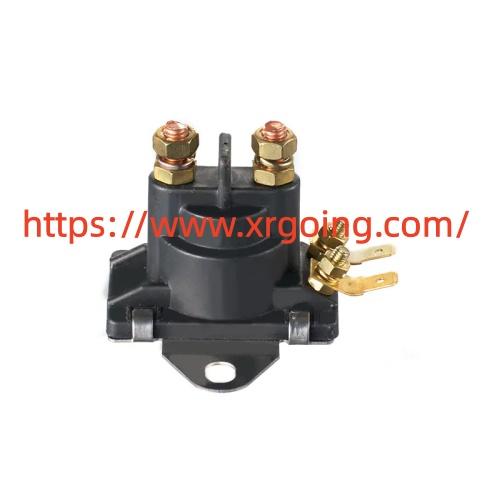
Yacht Accessories can shape how a new vessel looks, feels, and functions long before it reaches the water. For shipbuilders, designers, and marine equipment buyers, customization offers a practical way to coordinate individual components with the planned layout, intended activities, and visual style. Instead of selecting every item separately after construction begins, project teams can consider product dimensions, mounting positions, finishes, and maintenance requirements during the early design stage. This approach helps reduce avoidable adjustments and gives each participant a clearer understanding of the finished project.
Every vessel has its own dimensions, layout, and intended purpose. A boat designed for family cruising may require comfortable seating, convenient storage, and accessible deck equipment. A vessel intended for fishing or extended journeys may need different arrangements for working areas, equipment holders, lighting, and protective covers.
Standard products can meet many common requirements, but fixed dimensions and limited configuration options may not suit every project. Customized components allow designers to consider available space before making final purchasing decisions. They can also help coordinate the appearance of visible fittings with the surrounding interior or exterior.
Planning these details early is useful because changing an installation after surrounding structures have been completed may involve additional labor. Reviewing specifications before production gives the shipyard and supplier an opportunity to identify potential conflicts and discuss adjustments while the design remains flexible.
Space planning is a practical starting point for any customization project. Even a relatively small fitting can affect nearby doors, storage compartments, walkways, or access panels. A component that looks suitable in a catalogue may require changes when its actual measurements are compared with the construction drawings.
Buyers should prepare accurate dimensions and explain where each item will be installed. Drawings, photographs, mounting measurements, and reference samples can help manufacturers understand the requirements. When necessary, a review of installation clearances can identify possible problems before fabrication begins.
It is also useful to consider how people will move around the vessel. Handles should be positioned where they are easy to reach, storage solutions should allow convenient access, and deck equipment should not obstruct normal movement. These details connect product design with everyday usability rather than treating appearance as the only consideration.
Equipment used around water may face moisture, salt exposure, sunlight, temperature changes, and repeated cleaning. Material selection should therefore reflect the actual installation environment rather than relying on appearance alone.
Stainless steel, marine grade aluminum, suitable polymers, and specialized coated materials may serve different purposes depending on the product. Each option has its own considerations involving weight, corrosion resistance, strength, surface treatment, and maintenance. Buyers should confirm that the selected grade and finish are appropriate for the intended application.
Connections and mounting hardware deserve attention as well. Dissimilar metals can create corrosion concerns under certain conditions, while unsuitable fasteners may affect the service life of an installation. Discussing material compatibility with the manufacturer can help buyers evaluate these details before approving an order.
Maintenance should also be considered during planning. Components that are easy to clean, inspect, remove, or replace can simplify routine care. A clear maintenance plan helps owners and operators understand the attention a product may require throughout its service life.
Customization also gives designers more control over color, surface finish, shape, and visual consistency. These choices can help create a coordinated appearance across seating areas, storage units, rail fittings, and other visible elements.
However, decorative decisions should remain connected to function. A finish needs to suit its surroundings, while the shape and placement of a component should support convenient use. Textured surfaces may be appropriate in some areas, whereas smooth finishes may suit products that require frequent cleaning.
Modular designs can provide another useful option. Where the application allows, removable panels, replaceable parts, or adjustable mounting arrangements may make future changes easier. Buyers should discuss how these features affect installation, maintenance, and compatibility with other equipment before confirming the specification.
Clear communication is essential when ordering customized products. Before production starts, buyers should confirm dimensions, material specifications, finish options, tolerances, packaging requirements, order quantities, and expected delivery schedules.
Sample approval can be helpful for projects involving particular colors, surface treatments, or complex shapes. For larger orders, buyers may also request inspection records, product drawings, or agreed quality criteria. These documents provide a common reference for the purchasing team, production staff, and installation contractor.
It is equally important to establish how design changes will be handled. A revised measurement or finish request can affect production planning, so both parties should understand the approval process and any resulting schedule adjustments. Regular communication helps keep technical requirements aligned as the project develops.
For international buyers, packaging and shipping arrangements deserve attention before the order is finalized. Components should be packed according to their dimensions, materials, and handling needs, with suitable protection against scratches or transit damage.
Customization is worth considering when a project has specific spatial requirements, a defined visual direction, or installation conditions that standard products may not address. The value comes from careful planning, clear specifications, appropriate material choices, and communication between the people responsible for design, purchasing, and production.
Xiangrui works with customers seeking product solutions that align with individual project requirements. By discussing intended applications, dimensions, finishes, and ordering details early, buyers can establish a clearer path from initial planning to production. To review available options and discuss requirements for an upcoming build, visit https://www.xrgoing.com/ and connect your project needs with the relevant manufacturing team.

 English
 Arabic
 French
 Spanish
 Deutsch
 Turkish
 Dutch
 Italiano
 Russian
 Romaian
 Portuguese (Brazil)
 Greek