


What Is Structural Skin Tightening? A Beginner’s Guide to Multifrequency RF
What Is Structural Skin Tightening? A Beginner’s Guide to Multifrequency RF
Skin rarely loses firmness overnight, but it can feel that way. One day the jawline looks softer, the neck shows fine creases and the cheeks sit a little lower than before. Many people want to address this without surgery, and a newer approach called structural skin tightening is attracting plenty of attention.
This guide explains what structural skin tightening means, how multifrequency radiofrequency (RF) works and who may benefit. It also covers the questions worth asking before you book.
Why Skin Loses Firmness
Collagen and elastin give skin its support and bounce. From our late twenties, the body produces less of both. Sun exposure, genetics, hormonal shifts and weight changes speed up the process.
Skin laxity differs from wrinkles. Wrinkles affect the surface, while laxity reflects a loss of support underneath. That is why moisturisers and exfoliation improve texture but rarely change sagging around the jawline or neck.
What Is Structural Skin Tightening?
Structural skin tightening describes treatments that work beyond the skin’s surface. They target the deeper layers that hold the skin in place. The aim is to encourage firmer, better-supported skin over time, without cuts or stitches.
Most of these treatments use controlled heat. The warmth prompts the body’s natural repair response, which includes producing new collagen.
How Radiofrequency Works
RF devices send energy into the skin, where it turns into gentle heat. The tissue responds as it would to any minor stress and begins to remodel. New collagen forms gradually over the following weeks, which is why results build slowly rather than appearing at once.
Monopolar and bipolar RF
Monopolar RF sends energy through the tissue towards a return pad, so it can reach deeper layers. Bipolar RF passes energy between two close electrodes and tends to work more shallowly. Neither is better in every case. The right choice depends on the area and the concern.
What “multifrequency” means
Different RF frequencies heat tissue at different depths. A single-frequency device usually concentrates its energy at one level. A multifrequency device combines frequencies, so the energy can reach the shallow, middle and deeper layers during the same treatment.
In simple terms, the clinician can address the skin’s surface support and its deeper structure in one pass. Built-in cooling helps keep the skin’s surface comfortable while the deeper layers warm.
Where XERF Fits In
XERF is one of the newer multifrequency monopolar RF systems. It uses two frequencies together and allows the clinician to adjust the depth and intensity of the energy. People searching for xerf Sydney options will find the technology still quite new in Australia, so it helps to understand what you are booking.
Clinics that offer xerf treatment Sydney usually apply it to the face and neck. The jawline, cheeks, brow and under-chin are common areas. Some clinics also treat the body, for example loose skin after weight loss.
What to Expect During a Session
A good xerf treatment starts with a consultation, not the device. The clinician reviews your medical history, assesses your skin and explains realistic outcomes.
The treatment itself usually follows this pattern:
-
The clinician cleanses your skin.
-
They apply the handpiece and move it across the treatment area.
-
You feel warmth, and cooling keeps the surface comfortable.
-
They check your skin and give aftercare advice.
Session length depends on the area treated. Most people return to normal activities soon afterwards. Mild redness or warmth can occur and usually settles quickly, though experiences differ.
Results develop over weeks as collagen forms. The number of sessions varies between individuals, so a clinician should explain the plan before you commit.
Who May Suit Structural Skin Tightening
RF-based tightening generally suits people with mild to moderate laxity. Typical concerns include:
-
early jowls and a softening jawline
-
loose skin under the chin
-
a loss of firmness in the cheeks or neck
-
mild loose skin after weight loss
It does not replace surgery. Significant sagging often needs a surgical approach, and a responsible clinician will say so.
RF treatments are not suitable for everyone. Pregnancy, pacemakers or other implanted electronic devices, active skin infections and certain implants in the treatment area can rule them out. Your clinician should screen for these at the consultation.
Pairing Tightening With Surface Treatments
RF tightening improves support beneath the skin, but it does not clear congestion or boost hydration. Surface treatments handle that.
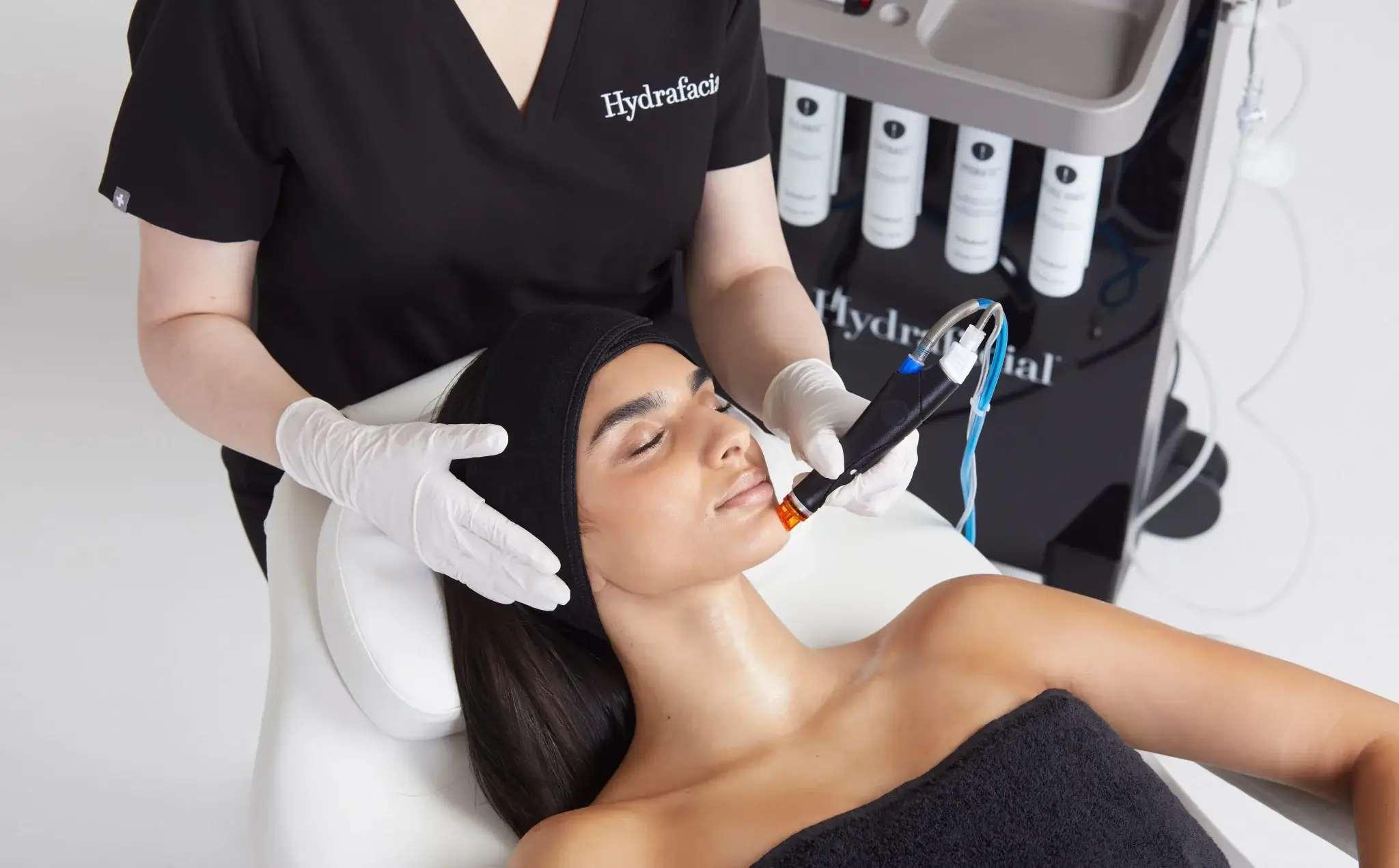
A HydraFacial treatment, for example, cleanses, exfoliates, extracts and hydrates in one session. It does not tighten skin, but it leaves the surface fresh and smooth. Many people who search for HydraFacial Sydney appointments want exactly that kind of glow before an event or as regular maintenance.
If you work in the city, HydraFacial Sydney CBD clinics often offer shorter appointments that fit around the working day. A HydraFacial treatment Sydney clinicians recommend may also come with advice on how to space it alongside other procedures. Ask your clinician about timing, because they may suggest a particular order.
Questions to Ask Before You Book
Choosing a clinic matters as much as choosing a device. At Sora Clinic, for example, every treatment begins with a medical consultation, and that is a good standard to look for anywhere. Before you commit, ask:
-
Who performs the treatment, and what are their qualifications?
-
Does the price include a consultation and follow-up?
-
How many sessions will I probably need?
-
What results can I realistically expect?
-
What are the risks, and how will you manage them?
-
What aftercare do I need to follow?
Be cautious about any clinic that promises guaranteed or dramatic results. Skin responds differently from person to person, and honest providers say so.
Looking After Your Results
Treatments work best alongside good daily habits. A few simple steps help:
-
Wear broad-spectrum sunscreen every day, because UV damage breaks down collagen.
-
Use a gentle skincare routine suited to your skin type.
-
Drink enough water and eat a balanced diet.
-
Follow your clinician’s aftercare advice.
Final Thoughts
Structural skin tightening takes a different approach from surface treatments by working on the deeper layers that support the skin. Multifrequency RF reaches several depths in one treatment, and results build gradually as the body produces new collagen.
Start with a proper consultation and ask direct questions. Then decide whether the treatment suits your skin and your goals.

 English
 Arabic
 French
 Spanish
 Portuguese
 Deutsch
 Turkish
 Italiano
 Russian
 Romaian
 Portuguese (Brazil)
 Greek