


What Should Buyers Check Before Choosing Hard Seal Ball?
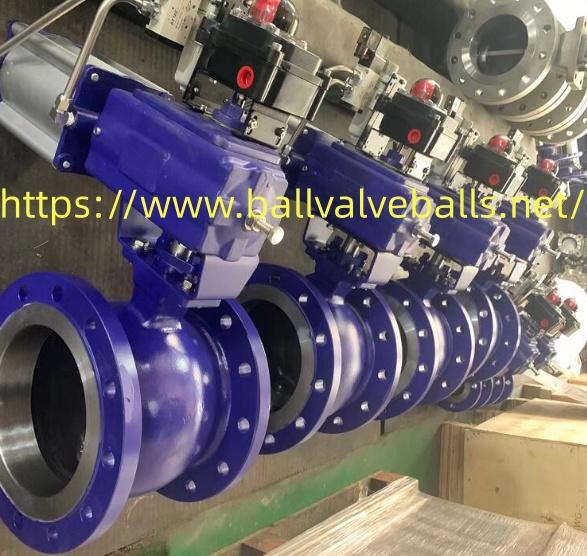
Hard Seal Ball selection requires buyers to evaluate operating conditions, material compatibility, sealing requirements, installation dimensions, and quality documentation before placing an order. For importers, distributors, engineering contractors, and equipment manufacturers, a structured purchasing process makes it easier to compare quotations and communicate technical expectations. Preparing these details in advance can also help prevent specification mismatches during production and delivery.
Identify the Application and Fluid Conditions
Start by identifying where the product will be installed and what substance will pass through the pipeline. Water, oil, steam, chemical liquids, and fluids containing solid particles can create different demands on internal components. Information about concentration, temperature, corrosive properties, and potential abrasiveness helps manufacturers assess material compatibility.
Buyers should also explain how the system operates. Continuous service, frequent opening and closing, intermittent use, and changing process conditions may influence product requirements. If the equipment experiences pressure fluctuations or repeated temperature changes, include those details in the inquiry.
A clear application description gives the supplier a practical basis for reviewing the proposed configuration rather than relying on a general product category.
Confirm Pressure and Temperature Ratings
Pressure and temperature ratings should be evaluated together. A product designed for a particular pressure range may have different allowable limits at elevated temperatures, depending on its materials and construction. Buyers should provide normal operating values as well as the maximum expected conditions.
Ask the manufacturer for relevant pressure-temperature data and confirm that the proposed configuration meets the system requirements. It is also useful to identify unusual conditions, such as pressure surges, thermal cycling, or frequent startup and shutdown operations.
Avoid making a decision based only on nominal pipeline pressure. Design conditions, applicable standards, and the actual service environment should all be considered before confirming the specification.
Examine Materials and Sealing Components
Material selection affects compatibility, maintenance, and expected service performance. Buyers should review the body, closure element, stem, seats, and other wetted components individually. The materials specified for these parts should be suitable for the medium and operating environment.
Metal-to-metal sealing arrangements may be considered in applications where temperature, wear, or process conditions place particular demands on the seating structure. Their suitability still depends on the design, surface finish, operating conditions, and required leakage criteria. Buyers should ask the manufacturer to explain the sealing arrangement and provide supporting technical information.
For applications involving abrasive particles or corrosive fluids, discuss the possible effects on contact surfaces and internal components. This helps purchasing teams understand relevant design considerations before selecting a configuration for a specific process.
Check Dimensions and Installation Requirements
Dimensional compatibility is essential when replacing existing equipment or integrating a new component into a pipeline. Confirm the nominal size, connection type, face-to-face dimensions, pressure class, and relevant dimensional standards. When connecting to an existing system, provide drawings or measurements where possible.
The operating method should also be established early. Depending on the application, buyers may need a manual handle, gearbox, pneumatic actuator, or electric actuator. The supplier should confirm that the operating mechanism is compatible with the selected configuration and available installation space.
For automated systems, discuss control requirements, actuator interfaces, and operating torque before production begins. These details can help prevent additional modifications during installation.
Review Quality Control and Testing Records
Before placing an order, ask which inspection and testing documents can be supplied. Depending on the project, relevant records may include material certificates, dimensional inspection results, pressure test reports, leakage test results, and product identification information.
Buyers should clarify the applicable standards and acceptance criteria rather than assuming every supplier follows identical procedures. If third-party inspection, traceability, or project-specific documentation is required, include it in the purchasing specification.
It is also helpful to ask how the manufacturer checks incoming materials, machining dimensions, surface conditions, assembly, and finished products. Understanding these procedures allows buyers to evaluate whether the production arrangements align with their project requirements.
Compare Quotations and Delivery Terms
A useful quotation should clearly identify the product configuration, materials, dimensions, testing scope, order quantity, and delivery schedule. Buyers should compare offers based on equivalent specifications instead of considering the unit price alone.
For wholesale and repeat purchases, confirm minimum order quantities, packaging arrangements, payment terms, shipping responsibilities, and procedures for handling quality concerns. If the order requires custom dimensions or special materials, clarify drawing approval and specification changes before production starts.
Consistent communication is particularly important for distributors and equipment manufacturers managing multiple projects. Written specifications help both parties refer to the same requirements when discussing production, inspection, and future orders.When evaluating a manufacturer, prepare a checklist covering the medium, operating pressure, temperature range, connection dimensions, material requirements, testing documents, and delivery expectations. ballvalveballs provides a point of contact for buyers seeking information about industrial valve products and supply arrangements. Visit https://www.ballvalveballs.net/ to review the available product range and submit your specifications, estimated quantity, and application details. Providing this information helps establish a clear basis for discussing product suitability, quotation details, and order requirements.

 English
 Arabic
 French
 Spanish
 Portuguese
 Deutsch
 Dutch
 Italiano
 Russian
 Romaian
 Portuguese (Brazil)
 Greek