


What Are the Benefits of a Horizontal Flow Hood?
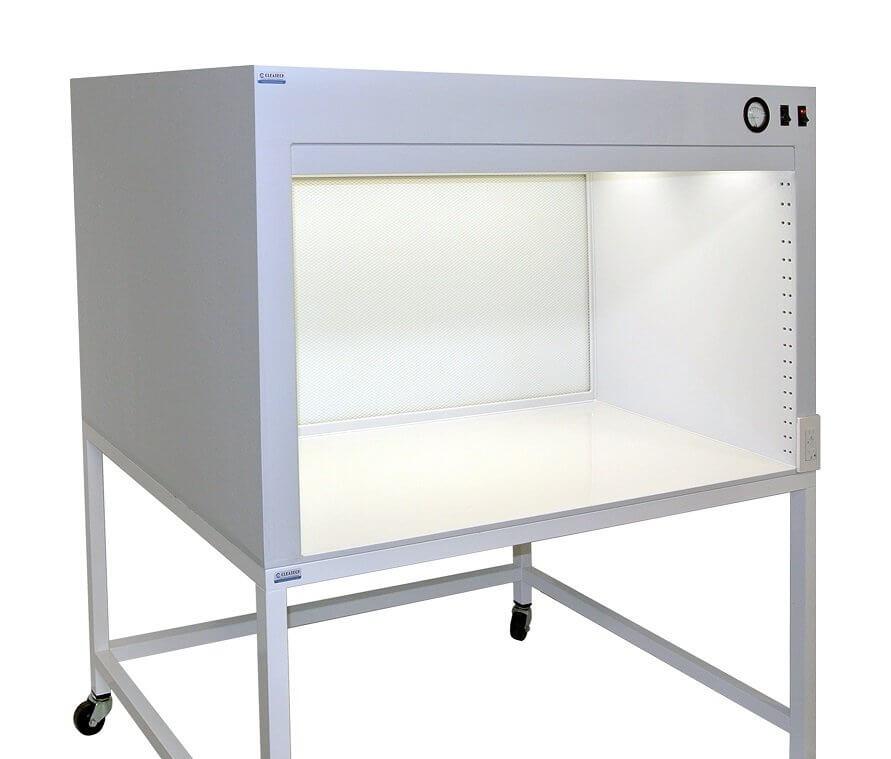
Maintaining a clean and controlled workspace is essential when you work with sensitive materials, precision components, pharmaceuticals, electronics, or laboratory samples. Even microscopic contaminants can compromise product quality, research accuracy, and operational efficiency. That is why many laboratories and manufacturing facilities rely on a horizontal flow hood to create a particle-free working environment.
A horizontal flow hood provides a continuous stream of filtered air that moves horizontally across the work surface, helping protect products and processes from airborne contamination. Understanding its advantages can help you determine whether this clean-air solution is the right fit for your application.
Understanding a Horizontal Flow Hood
A horizontal flow hood, also known as a horizontal laminar flow workstation, uses a high-efficiency filtration system to remove airborne particles from incoming air. The filtered air then flows horizontally from the rear of the unit toward the operator in a smooth, unidirectional pattern.
This airflow design minimizes turbulence and helps prevent contaminants from settling on sensitive materials. A high-quality horizontal laminar airflow workstation for contamination-sensitive applications provides a reliable clean environment for product handling, assembly, inspection, and testing.
Key Benefits of a Horizontal Flow Hood
Superior Product Protection
One of the primary benefits of a horizontal flow hood is its ability to protect products from contamination. The continuous stream of HEPA- or ULPA-filtered air sweeps airborne particles away from the work area before they can settle on critical materials.
This level of protection is especially important when working with:
- Pharmaceutical products
- Medical devices
- Semiconductor components
- Optical equipment
- Laboratory samples
- Sterile packaging materials
By maintaining cleaner conditions, you can improve product quality and reduce costly errors.
Consistent Airflow Performance
Horizontal flow hoods are designed to provide uniform airflow across the entire work surface. This consistent air movement helps create predictable operating conditions and minimizes the risk of contamination hotspots.
When your processes require precision and repeatability, stable airflow can support better outcomes and improved operational control.
Enhanced Visibility and Accessibility
Unlike some containment systems that may obstruct visibility, horizontal flow hoods typically offer an open-front design and spacious work area. This configuration allows you to easily access equipment, tools, and materials while maintaining a clean environment.
The unobstructed workspace can improve productivity and reduce operator fatigue during repetitive tasks.
Reduced Risk of Cross-Contamination
Cross-contamination can be a major concern in laboratories and manufacturing facilities. The unidirectional airflow generated by a horizontal flow hood helps prevent contaminants from moving back toward sensitive materials.
As a result, you can maintain cleaner workflows and support quality assurance requirements across multiple applications.
Energy-Efficient Operation
Many modern horizontal flow hoods are designed with energy efficiency in mind. Advanced motors, optimized airflow systems, and efficient filtration technologies help reduce energy consumption while maintaining high performance.
Lower operating costs can provide long-term savings, particularly for facilities that run clean-air equipment continuously.
Versatility Across Industries
Horizontal flow hoods support a wide range of industries and applications. Their flexibility makes them a valuable investment for organizations that require contamination control without the complexity of a full cleanroom.
Common industries that use horizontal flow hoods include:
- Biotechnology
- Pharmaceutical manufacturing
- Medical device production
- Electronics assembly
- Aerospace manufacturing
- Research laboratories
- Universities and educational institutions
The ability to adapt to various workflows makes these systems highly practical.
Improved Process Reliability
When contamination levels are controlled, process consistency often improves. A horizontal flow hood helps create standardized environmental conditions that reduce variability and support reliable results.
Whether you are assembling electronic components or preparing laboratory samples, maintaining cleanliness can lead to fewer defects and higher success rates.
Cost-Effective Clean-Air Solution
Building and maintaining a complete cleanroom can be expensive. A horizontal flow hood provides localized contamination control at a fraction of the cost.
For many businesses, this targeted approach delivers the cleanliness needed for critical operations while avoiding the significant investment associated with larger controlled environments.
Easy Maintenance
Most horizontal flow hoods are designed for straightforward maintenance. Routine cleaning and scheduled filter replacement help ensure long-term performance and reliability.
With proper upkeep, your equipment can continue providing effective contamination control for many years.
Compliance Support
Many industries operate under strict quality and cleanliness standards. Horizontal flow hoods can help support compliance efforts by providing controlled airflow and reducing particulate contamination.
When paired with proper operating procedures, these systems contribute to cleaner processes and documented quality control practices.
Choosing the Right Horizontal Flow Hood
Selecting the right unit depends on your specific application requirements. Consider factors such as:
- Work surface dimensions
- Airflow velocity requirements
- Filtration efficiency
- Material compatibility
- Electrical requirements
- Customization options
Working with an experienced manufacturer can help you identify the most suitable solution for your facility.
For organizations seeking reliable clean-air systems, custom horizontal flow hood solutions from CleaTech LLC can be tailored to meet unique operational needs and contamination-control requirements.
Conclusion
A horizontal flow hood offers numerous advantages, including superior product protection, improved process reliability, reduced contamination risks, and cost-effective clean-air performance. Whether you operate a research laboratory, pharmaceutical facility, or electronics manufacturing operation, this equipment can help maintain the clean conditions required for success.
Investing in a high-quality horizontal flow hood can enhance efficiency, support quality standards, and protect sensitive materials throughout your workflow. To learn more about clean-air solutions and customized contamination-control equipment, explore the products available from CleaTech LLC and contact us today to discuss your specific requirements.
Frequently Asked Questions
What is a horizontal flow hood used for?
A horizontal flow hood is used to create a clean, particle-free workspace for handling sensitive products, laboratory samples, electronic components, and pharmaceutical materials.
How does a horizontal flow hood work?
The system draws air through a HEPA or ULPA filter and directs the clean air horizontally across the work surface in a uniform, laminar airflow pattern.
What is the difference between horizontal and vertical flow hoods?
A horizontal flow hood directs filtered air from the back of the unit toward the operator, while a vertical flow hood pushes filtered air downward from the top of the enclosure.
Does a horizontal flow hood protect the operator?
Horizontal flow hoods are designed primarily to protect products and materials from contamination. They are not intended for handling hazardous substances that require personnel protection.
How often should filters be replaced?
Filter replacement schedules vary depending on usage, operating conditions, and manufacturer recommendations. Regular inspections can help determine when replacement is needed.
Which industries benefit most from horizontal flow hoods?
Industries such as pharmaceuticals, biotechnology, electronics manufacturing, medical device production, aerospace, and research laboratories commonly benefit from horizontal flow hood systems.
Original Source: https://laboratoryquipment.blogspot.com/2026/06/what-are-benefits-of-horizontal-flow.html

 English
 Arabic
 French
 Spanish
 Portuguese
 Deutsch
 Dutch
Dutch
 Italiano
 Russian
 Romaian
 Portuguese (Brazil)
 Greek
Greek