


Ancestry DNA Test Results: How to Read and Interpret Them
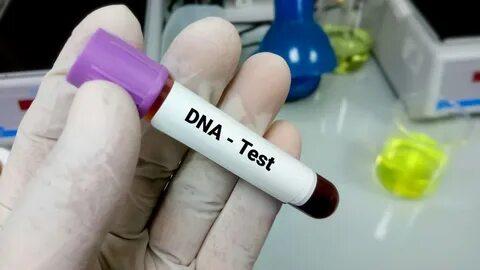
Opening your ancestry DNA test results can be both exciting and overwhelming. Colorful maps, ethnicity percentages, Ancestry DNA Test Dubai, and genetic communities often appear all at once, leaving many people wondering where to begin.
While these reports contain valuable information about your family history and ancestral origins, understanding how to interpret the data correctly is essential. DNA results are not simply a list of countries or relatives—they are scientific estimates based on genetic analysis and population data.
Learning how to read your report allows you to uncover meaningful insights about your heritage while avoiding common misunderstandings.
Breaking Down the Main Sections of an Ancestry DNA Test:
Most ancestry DNA reports contain several key sections. Each serves a different purpose in helping you understand your genetic heritage.
The most common features include:
-
Ethnicity estimates
-
DNA matches
-
Genetic communities
-
Shared ancestors
-
Chromosome analysis
-
Migration patterns
Understanding how these components work together creates a fuller picture of your ancestry.
Rather than viewing each section separately, think of them as pieces of a larger family puzzle.
Ethnicity Estimates: Understanding the Percentages
For many users, ethnicity estimates are the first thing they notice. These percentages indicate how much of your DNA resembles reference populations from specific regions.
A report may show ancestry connected to regions such as:
-
Northern Europe
-
South Asia
-
East Asia
-
Sub-Saharan Africa
-
Indigenous Americas
-
The Middle East
For example, seeing 25% ancestry from one region does not necessarily mean one grandparent came entirely from that area. Genetic inheritance is more complex because DNA is passed down unevenly through generations.
Ethnicity estimates rely on statistical comparisons with modern populations. As databases grow and scientific methods improve, percentages may change over time.
Your DNA remains constant, but researchers continuously refine their understanding of global genetic diversity.
Why Ethnicity Results Sometimes Surprise People?
Unexpected ancestry is one of the most common reactions to DNA testing.
There are several reasons for surprising results:
Family Stories May Be Incomplete:
Oral histories passed through generations can sometimes contain inaccuracies or missing details.
Historical Migration Blurred Boundaries:
Ancient populations frequently migrated, traded, and intermarried. Modern national borders often do not reflect historical genetic patterns.
DNA Inheritance Is Random:
You inherit only a portion of each ancestor's DNA. Some ancestral lines leave stronger genetic signatures than others.
Unexpected results do not necessarily mean family stories are wrong. Instead, they often reveal a more complex family history.
DNA Matches: Discovering Genetic Relatives
DNA matching compares your genetic profile with others in the database to identify shared ancestry.
Matches are usually categorized by relationship estimates, including:
-
Parent or child
-
Sibling
-
First cousin
-
Second cousin
-
Distant relatives
The amount of shared DNA is measured in centimorgans, often abbreviated as cM. Higher centimorgan values generally indicate closer family relationships.
For example:
-
Immediate family members share large amounts of DNA.
-
Distant cousins share smaller segments.
-
Very distant relatives may share only tiny portions.
DNA matches can become valuable tools for genealogy research and family tree building.
What Are Genetic Communities?
Beyond ethnicity percentages, some reports identify genetic communities or ancestral groups.
These communities represent populations whose ancestors lived in the same region and shared similar migration histories.
Genetic communities may provide clues about:
-
Historical settlements
-
Migration routes
-
Cultural regions
-
Family movements over generations
Unlike broad ethnicity estimates, genetic communities often offer more detailed insights into recent ancestry.
For many users, these communities create stronger connections to specific historical experiences and cultural backgrounds.
Reading Shared DNA Correctly:
Interpreting shared DNA requires careful analysis. More shared DNA usually means a closer relationship, but genetics is not always straightforward.
Several factors influence DNA inheritance:
-
Random recombination
-
Multiple shared ancestors
-
Endogamous populations
-
Family intermarriage patterns
Because inheritance varies naturally, two cousins may share different amounts of DNA despite having the same genealogical relationship.
DNA should therefore be interpreted alongside historical records whenever possible.
Chromosome Segments and Their Importance:
Some ancestry reports include chromosome browsers that display which DNA segments are shared with relatives.
Chromosome analysis helps researchers:
-
Identify common ancestors
-
Confirm family relationships
-
Separate maternal and paternal lines
-
Build more accurate family trees
When multiple relatives share overlapping DNA segments, researchers can often trace inheritance back to a specific ancestor.
This process, known as chromosome mapping, has become an important tool in modern genetic genealogy.
How Migration Patterns Shape Your Results?
Human history is a story of migration. Over thousands of years, populations moved across continents due to climate changes, trade, exploration, and conflict.
As populations mixed, genetic signatures spread across regions.
An ancestry DNA test may reveal evidence of:
-
Ancient migration routes
-
Regional population movements
-
Historical settlements
-
Cross-cultural interactions
Understanding migration history helps explain why many individuals possess ancestry from multiple regions.
Your DNA reflects not only your immediate family but also the journeys of countless generations.
Common Mistakes People Make When Reading DNA Results:
Interpreting ancestry reports incorrectly can lead to confusion. Avoid these common mistakes:
Treating Ethnicity as Nationality:
DNA reflects genetic populations rather than modern citizenship or nationality.
Assuming Small Percentages Are Errors:
Minor ancestry components may represent genuine ancestral connections from many generations ago.
Ignoring Historical Records:
DNA analysis works best when combined with traditional genealogy research.
Expecting Exact Answers:
Genetic testing provides probabilities and estimates rather than absolute certainty.
Approaching results with curiosity instead of rigid expectations creates a more meaningful experience.
How to Verify and Expand Your Findings?
Your DNA report is often the beginning of research rather than the end.
To gain deeper insights:
-
Build a detailed family tree
-
Interview older relatives
-
Collect photographs and documents
-
Study census records
-
Review immigration records
-
Compare multiple family members' DNA
Testing parents, grandparents, or siblings can provide additional information and help identify which ancestral lines contributed specific DNA segments.
Combining genetic evidence with historical documentation often produces the most reliable conclusions.
Privacy Considerations After Receiving Results:
Once your results become available, it is important to review privacy settings carefully.
You may have options to:
-
Control DNA match visibility
-
Limit data sharing
-
Download genetic data
-
Delete stored information
Genetic information is highly personal. Understanding privacy choices allows individuals to manage their data responsibly.
As DNA databases continue to expand globally, awareness of data protection remains increasingly important.
The Evolving Nature of DNA Science:
Ancestry testing continues to evolve rapidly. Scientists regularly update algorithms, expand reference populations, and improve methods for analyzing genetic relationships.
Future developments may provide:
-
Greater regional accuracy
-
Improved relationship predictions
-
Enhanced migration mapping
-
Better ancestry reconstruction
As research progresses, your ancestry report may become more detailed over time.
DNA science is constantly advancing, making family history research more accurate and accessible than ever before.
Final Thoughts: Turning Data Into Family Stories
An ancestry DNA Lab tests report is much more than a collection of percentages and charts. It represents generations of migration, inheritance, and family connections woven together across time.
Learning how to read and interpret DNA results helps transform scientific data into meaningful stories about your heritage. Ethnicity estimates, DNA matches, genetic communities, and migration patterns all contribute valuable pieces to your family history.
The most rewarding discoveries often happen when DNA evidence is combined with historical research, family memories, and genealogy records. By approaching your results with curiosity and careful interpretation, you can uncover a deeper understanding of where you come from and how your ancestors helped shape the story of your life.

 English
 Arabic
 French
 Spanish
 Portuguese
 Deutsch
 Turkish
 Dutch
Dutch
 Italiano
 Russian
 Portuguese (Brazil)
 Greek
Greek