


Sports Injury Rehabilitation in Abu Dhabi: A Practical Guide to Returning to Activity
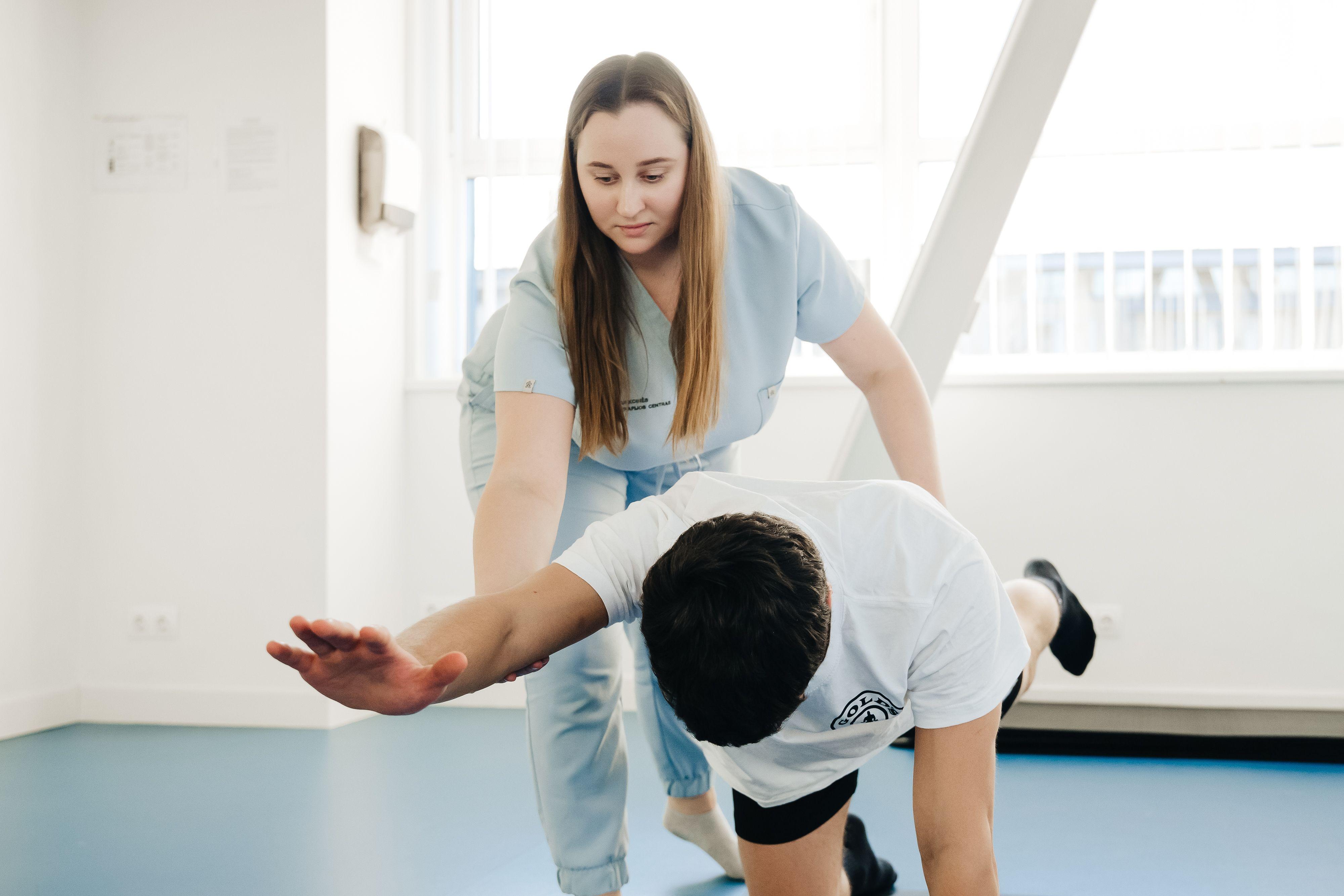
Sport and exercise offer important physical and mental benefits, but an unexpected injury can interrupt training and everyday routines. An ankle sprain, knee injury, muscle strain, or shoulder problem may affect an athlete's ability to run, lift, jump, or participate in team activities.
Recovering from an injury involves more than waiting for the pain to disappear. People often need to rebuild strength, restore mobility, and regain confidence in the movements required for their sport. Sports injury rehabilitation can provide a structured pathway toward these goals.
For active individuals looking for sports physiotherapy in Abu Dhabi, understanding the stages of rehabilitation can help them make more informed decisions about recovery.
Understanding Common Sports Injuries
Sports injuries can occur during organised competition, gym sessions, recreational exercise, or ordinary physical activities. Some develop suddenly, while others emerge gradually through repetitive loading.
Common examples include:
-
Ankle sprains caused by twisting or landing awkwardly.
-
Knee injuries involving ligaments, tendons, or other joint structures.
-
Muscle strains affecting the hamstrings, calves, or other muscle groups.
-
Shoulder discomfort associated with throwing, swimming, or weight training.
-
Tendon-related problems linked to repeated jumping, running, or lifting.
The appropriate treatment depends on the type and severity of the injury. Severe pain, significant swelling, an obvious deformity, or an inability to bear weight may require prompt medical evaluation.
Why Is Physiotherapy Important During Sports Recovery?
Physiotherapy helps assess physical limitations and develop a rehabilitation programme that reflects the injury, the person's activity level, and their return-to-sport goals.
Stage 1: Assessment and Early Management
The initial assessment may examine pain, swelling, joint movement, muscle function, and the activities that trigger symptoms. The physiotherapist can help determine appropriate early movements and whether additional medical assessment is needed.
During this stage, avoiding activities that aggravate the injury may be necessary. However, the right level of rest and movement varies between conditions, so a personalised plan is preferable to following generic advice.
Stage 2: Restoring Mobility
Restricted movement can make ordinary tasks difficult and interfere with sporting technique. Rehabilitation may include carefully selected mobility exercises and gradual movement practice to help restore the affected area's function.
The goal is not to force movement through pain but to progress within appropriate clinical limits.
Stage 3: Rebuilding Strength and Control
After an injury, weakness and reduced coordination may affect performance. Strengthening exercises, balance activities, and movement-control training can help address these limitations.
For example, someone recovering from an ankle sprain may need to work on balance and lower-limb strength before returning to activities involving rapid changes of direction.
Stage 4: Returning to Sport
Returning to sport should depend on functional readiness rather than a calendar date alone. Depending on the injury, a rehabilitation plan may include progressive running, jumping, agility drills, sport-specific movements, and gradual increases in training intensity.
A physiotherapist can help monitor progress and identify areas that still need attention before full participation.
Preventing Future Sports Injuries
Although not every injury can be prevented, appropriate preparation and training habits may reduce certain risks.
Consider incorporating a suitable warm-up, gradually increasing training volume, allowing adequate recovery, and using appropriate equipment. Strength, balance, and mobility work may also support physical preparedness for the demands of a particular sport.
Athletes should pay attention to persistent discomfort and avoid repeatedly pushing through symptoms that worsen with activity.
Finding Sports Physiotherapy in Abu Dhabi
Choosing a physiotherapy clinic involves considering the therapist's experience, assessment methods, rehabilitation facilities, and approach to monitoring progress.
Snö Clinics provides physiotherapy services in Abu Dhabi, including support for sports injuries, exercise rehabilitation, and movement-related conditions. People interested in professional physiotherapy in Abu Dhabi can explore the clinic's available services and discuss their individual recovery requirements with the clinical team.
Conclusion
A sports injury can be frustrating, especially for people who depend on regular exercise for fitness, competition, or stress management. A structured rehabilitation plan can help address movement limitations and build the physical capacity needed to resume activity safely.
With an appropriate assessment, gradual progression, and attention to recovery, injured athletes can work toward returning to the activities they enjoy while addressing the factors that may contribute to recurring problems.

 English
 Arabic
 French
 Spanish
 Portuguese
 Deutsch
 Turkish
 Dutch
 Italiano
 Romaian
 Portuguese (Brazil)
 Greek