


7 Common Mistakes to Avoid in Earthing and Lightning Protection Systems
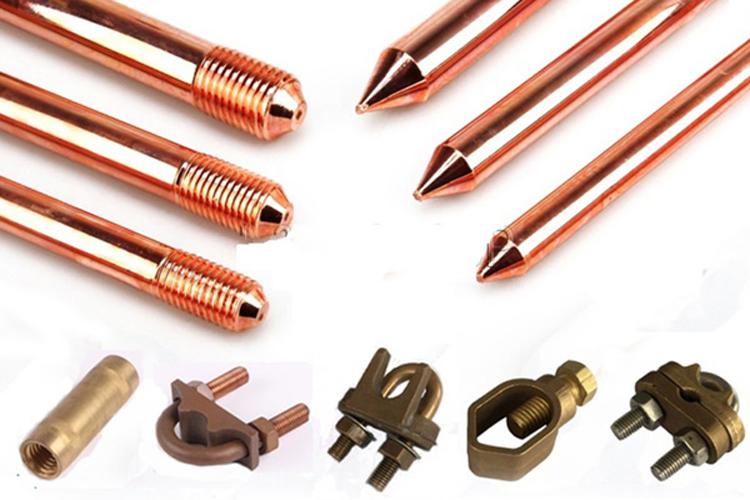
Earthing and lightning protection systems play an important role in protecting buildings, electrical equipment, and people from electrical faults and lightning strikes. However, poor planning, incorrect installation, and a lack of maintenance can reduce their effectiveness. Understanding common mistakes helps property owners, contractors, and facility managers make better decisions when installing or maintaining these systems.
1. Ignoring Site Conditions Before Installation
Every building has different electrical and environmental requirements. Soil type, moisture levels, building height, and the surrounding structures can affect how an earthing and lightning protection system should be designed.
Ignoring these conditions may result in an unsuitable installation. A proper site assessment helps determine appropriate earthing arrangements, electrode placement, and lightning protection requirements.
2. Choosing Low-Quality Materials
Using unsuitable conductors, clamps, connectors, or earthing electrodes can affect system reliability. Materials must be suitable for the installation environment and compatible with the other components.
Poor-quality materials may corrode, loosen, or deteriorate over time. Always check product specifications and select components that meet the relevant project standards.
3. Incorrect Earthing Electrode Installation
Earthing electrodes provide a connection between the electrical installation and the ground. Incorrect positioning, insufficient installation depth, or unsuitable electrode selection can affect earthing performance.
The required arrangement depends on site conditions, the electrical system, and applicable standards. Installation should be carried out by qualified professionals who can assess the design and verify the results.
4. Overlooking Proper Connections and Bonding
Loose or poorly made connections can interrupt the intended electrical path. Bonding also helps maintain electrical continuity between designated conductive parts of an installation.
All connections should be secure, suitable for the materials involved, and protected against environmental damage where necessary. Regular inspection can help identify corrosion, loose fittings, and other issues before they affect performance.
5. Treating Lightning Protection as a Single Component
A lightning protection system is not simply a lightning rod installed on a roof. It involves coordinated components, which may include air terminals, down conductors, earth termination arrangements, and bonding measures.
If important parts are missing or incorrectly installed, the system may not provide the intended protection. The complete system should be designed according to the building's risk assessment and applicable standards.
6. Skipping Inspection and Testing
Even a correctly installed system can deteriorate because of corrosion, construction work, physical damage, or changes to the building. Skipping inspections may allow these problems to remain undetected.
Periodic inspection and appropriate testing help confirm that connections remain intact and that the system continues to meet its design requirements. Testing should be performed by qualified personnel using suitable methods and equipment.
7. Hiring Unqualified Installers
Earthing and lightning protection systems require technical knowledge, correct installation practices, and an understanding of relevant electrical safety requirements. Poor workmanship can create risks that may not be immediately visible.
Choose qualified professionals with relevant experience and ask for documentation covering installation, inspection, and testing. Proper records also make future maintenance easier.
Conclusion
Avoiding these seven mistakes can help improve the reliability of earthing and lightning protection systems. Careful planning, suitable materials, secure connections, professional installation, and regular testing all contribute to effective protection. Always ensure that the system is designed and maintained according to applicable standards and the specific needs of the building.
Frequently Asked Questions
Why are earthing and lightning protection systems important?
They help manage electrical fault currents and provide a designed path for lightning currents, reducing risks to people, buildings, and electrical equipment when properly designed and installed.
How often should these systems be inspected?
Inspection frequency depends on the system design, site conditions, applicable standards, and the building's risk level. Follow the manufacturer's recommendations and relevant local requirements, with additional checks after damage or significant building changes.
Can poor earthing affect electrical equipment?
Yes. An inadequate or damaged earthing arrangement can compromise electrical safety and the operation of protective devices. Proper inspection and testing help identify potential problems.
Who should install lightning protection systems?
Use qualified professionals with relevant experience in lightning protection and earthing design, installation, inspection, and testing.

 Arabic
 French
 Spanish
 Portuguese
 Deutsch
 Turkish
 Dutch
 Italiano
 Russian
 Romaian
 Portuguese (Brazil)
 Greek