


Sustainable Landscaping Ideas for Residential and Commercial Properties
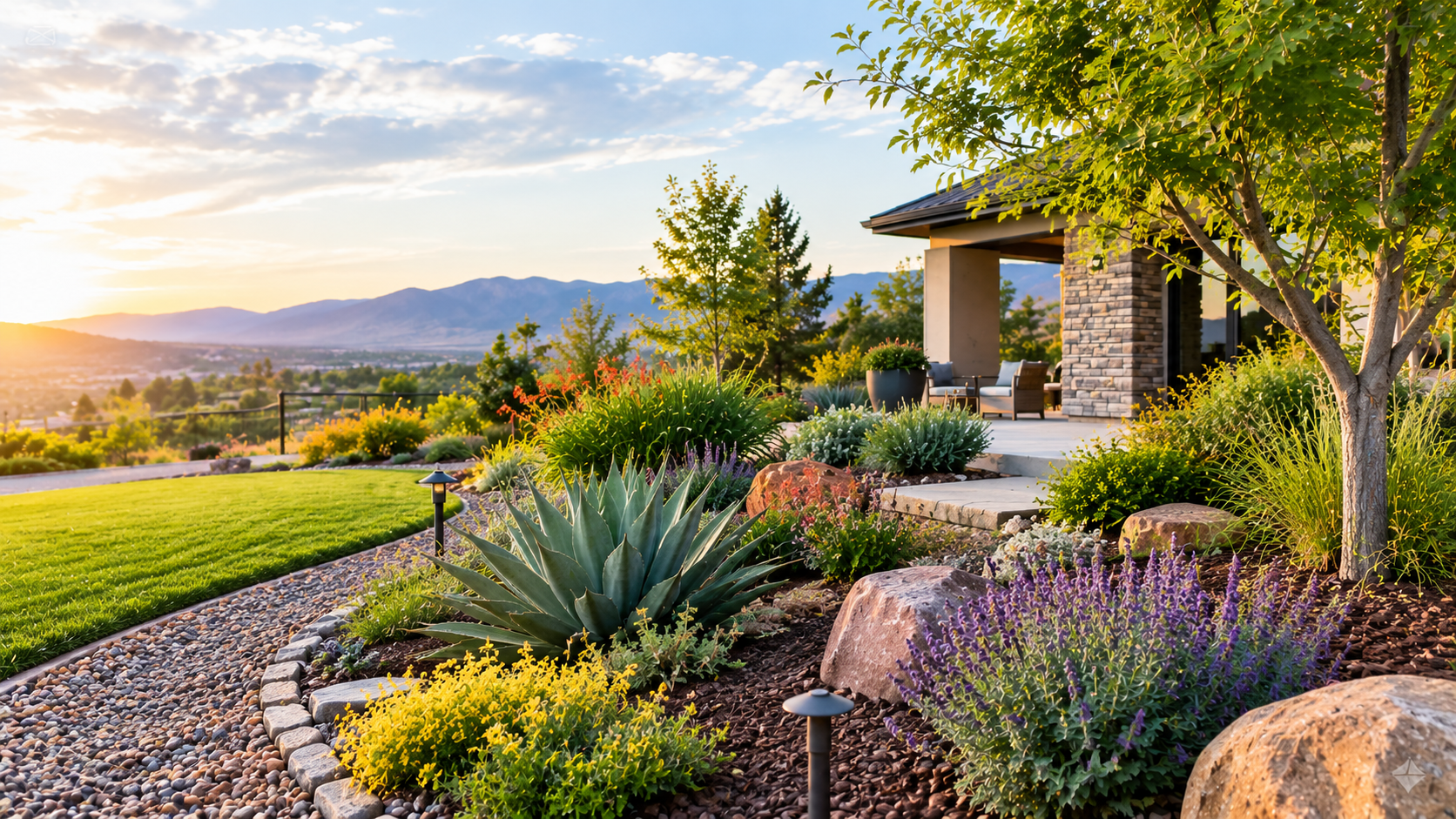
Sustainable landscaping is becoming an increasingly popular approach for property owners who want attractive outdoor spaces without unnecessary water consumption, excessive maintenance, or environmental impact. By combining thoughtful design, climate-appropriate plants, efficient irrigation, and practical outdoor features, it is possible to create landscapes that are both beautiful and functional.
Whether you own a home, manage a commercial property, or maintain a shared outdoor space, sustainable landscaping can help you make better use of your available land. The key is to choose solutions that suit the local climate, soil conditions, property layout, and long-term maintenance requirements.
1. Choose Plants That Suit the Local Climate
One of the most effective ways to create a sustainable landscape is to select plants that naturally thrive in the local environment. Plants suited to regional temperatures, rainfall patterns, and soil conditions often require less additional water and maintenance once established.
Native and locally adapted plants can also provide food and shelter for beneficial insects, birds, and other wildlife. Combining trees, shrubs, grasses, and flowering plants can create a more varied and visually appealing landscape.
For residential properties, climate-appropriate planting can reduce the work required to maintain a healthy garden. Commercial property owners can use similar planting strategies to create attractive entrances, garden borders, and outdoor spaces that remain manageable throughout the year.
Before selecting plants, consider sunlight exposure, mature plant size, drainage, and seasonal conditions. A well-planned planting scheme can help prevent overcrowding and reduce the need for frequent replacements.
2. Reduce Water Waste With Efficient Irrigation
Water management is a central part of sustainable landscaping. Traditional watering practices can waste water through evaporation, runoff, or applying more moisture than plants need.
An efficient irrigation system helps deliver water where it is most useful. Drip irrigation, for example, can direct water toward plant roots, making it suitable for many garden beds and landscaped areas. Irrigation timers and regularly inspected sprinkler systems can also help improve water use.
Property owners should adjust watering schedules according to seasonal conditions, plant requirements, and rainfall. Watering during cooler parts of the day can help reduce evaporation.
Grouping plants with similar water requirements together can make irrigation more effective. This approach allows different sections of a landscape to receive appropriate amounts of water instead of relying on a single schedule for every plant.
3. Improve Soil Health With Organic Materials
Healthy soil supports plant growth, improves moisture retention, and contributes to a more resilient landscape. Before adding new plants, property owners should assess soil quality and address issues such as compaction, poor drainage, or limited organic matter.
Compost can improve soil structure and add organic material, while suitable mulch can help reduce moisture loss and limit weed growth. Organic materials may also support beneficial soil organisms.
Apply mulch at an appropriate depth and keep it away from direct contact with tree trunks and plant stems to reduce the risk of moisture-related damage. Where possible, choose soil amendments based on the needs of the existing soil rather than adding products unnecessarily.
For both homes and commercial properties, investing in soil preparation can help establish healthier planting areas and reduce avoidable maintenance problems over time.
4. Incorporate Drought-Tolerant Landscaping
Drought-tolerant landscaping is particularly useful in regions that experience dry periods or water restrictions. It involves selecting plants and designing outdoor spaces to make better use of available moisture.
Depending on the location, suitable plants may include native grasses, hardy shrubs, and other species adapted to limited rainfall. Decorative stone, gravel, and carefully positioned planting beds can complement these plants while creating visual interest.
However, drought-tolerant landscaping does not mean removing all greenery or covering every outdoor area with rock. A balanced design can include shade trees, flowering plants, seating areas, and living ground cover while still reducing unnecessary water use.
For properties in Show Low, Arizona, and surrounding communities, plant selection should account for elevation, winter temperatures, seasonal rainfall, and local growing conditions. Working with a knowledgeable landscaping professional can help ensure that plant choices suit the specific site.
5. Design Outdoor Spaces for Practical Use
Sustainable landscaping should make outdoor spaces more useful, not simply change their appearance. Thoughtful planning can help homeowners and businesses get more value from the land they already have.
Residential properties may benefit from patios, shaded seating areas, edible gardens, and pathways that connect different parts of the yard. These features can encourage outdoor living while making the space easier to navigate.
Commercial properties can incorporate defined walkways, organized planting beds, attractive entrances, and practical outdoor gathering areas. Clear layouts help people move through the property while maintaining an inviting appearance.
Hardscaping materials should be selected according to durability, maintenance requirements, and how they interact with water. Where appropriate, permeable paving can allow some rainfall to infiltrate the ground rather than running directly into drainage systems.
The most successful designs balance visual appeal with function, site conditions, and the needs of people using the space.
6. Manage Stormwater and Prevent Soil Erosion
Rainwater runoff can remove valuable topsoil, damage planting beds, and create drainage problems around buildings and paved surfaces. Sustainable landscaping can help manage these risks by considering the property's slope, soil conditions, and existing drainage patterns.
Strategies may include planting ground cover on vulnerable slopes, using mulch in suitable garden beds, directing runoff away from structures, and incorporating rain gardens where site conditions allow.
On sloped properties, retaining features and carefully designed planting areas may help stabilize soil. However, significant grading or drainage concerns may require an experienced contractor to assess the site before work begins.
Good stormwater planning can protect the landscape while helping maintain the long-term usability of outdoor areas.
7. Create Low-Maintenance Landscapes
A sustainable landscape should be manageable over the long term. Designs that require constant pruning, frequent replanting, or excessive watering can become expensive and time-consuming.
Low-maintenance landscaping starts with choosing plants suited to the location and giving them enough space to grow. Grouping plants according to their water and sunlight needs can simplify routine care, while well-defined garden borders can make mowing and trimming easier.
Property owners may also consider reducing unnecessary lawn areas and replacing selected sections with suitable ground cover, native planting beds, or functional outdoor features.
For commercial buildings, lower-maintenance planting schemes can help maintain a professional appearance without requiring excessive ongoing attention. Homeowners can benefit from the same principles by creating gardens that are easier to care for throughout the seasons.
8. Explore Professional Landscaping Services
Although some sustainable improvements are suitable for do-it-yourself projects, more complex designs may benefit from professional guidance. Landscaping specialists can assess the site, recommend appropriate plants and materials, and coordinate features such as irrigation, patios, pathways, and erosion-control measures.
A professional approach can be particularly valuable when a property has drainage challenges, steep slopes, limited planting space, or several outdoor areas that need to work together.
Nature's Landscape Solutions serves Show Low, Arizona, and surrounding communities with landscaping and hardscaping solutions focused on functionality, appearance, and environmental considerations. Property owners can explore its sustainable landscaping solutions to learn more about options for improving their outdoor spaces.
When comparing contractors, ask about their experience with local growing conditions, water-efficient design, project timelines, material choices, and expected maintenance needs. A clear project plan can help ensure that the finished landscape aligns with your goals and budget.
9. Consider Edible and Wildlife-Friendly Gardens
Sustainable landscaping can also support practical gardening and local biodiversity. Edible landscapes combine useful plants, such as herbs, vegetables, and fruit-bearing species, with the overall design of an outdoor space.
A small herb garden near a kitchen, raised vegetable beds in a sunny area, or suitable fruit trees can make residential landscapes more productive. Commercial properties may be able to incorporate edible planting into community spaces or educational gardens where appropriate.
Wildlife-friendly planting can complement these features. Selecting suitable flowering plants, providing varied vegetation, and avoiding unnecessary pesticide use can help create more supportive habitats for beneficial insects and birds.
Plant choices should always reflect the available space, local climate, and maintenance capacity. Edible and wildlife-friendly gardens work best when they are integrated into the wider landscape rather than added without a clear plan.
Conclusion
Sustainable landscaping offers residential and commercial property owners a practical way to improve outdoor appearance while managing water use, supporting soil health, and reducing unnecessary maintenance.
By choosing climate-appropriate plants, improving irrigation, managing runoff, and designing functional outdoor areas, property owners can create landscapes that serve their needs while respecting local environmental conditions.
Whether you are refreshing a small home garden or planning a larger commercial landscape, a thoughtful approach can deliver lasting benefits. Start by assessing your property's needs, prioritizing practical improvements, and choosing solutions that will remain attractive and manageable over time.

 English
 French
 Spanish
 Portuguese
 Deutsch
 Turkish
 Dutch
 Italiano
 Russian
 Romaian
 Portuguese (Brazil)
 Greek